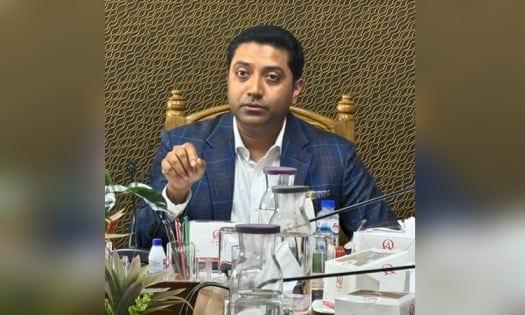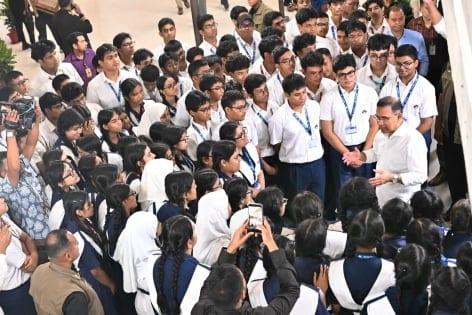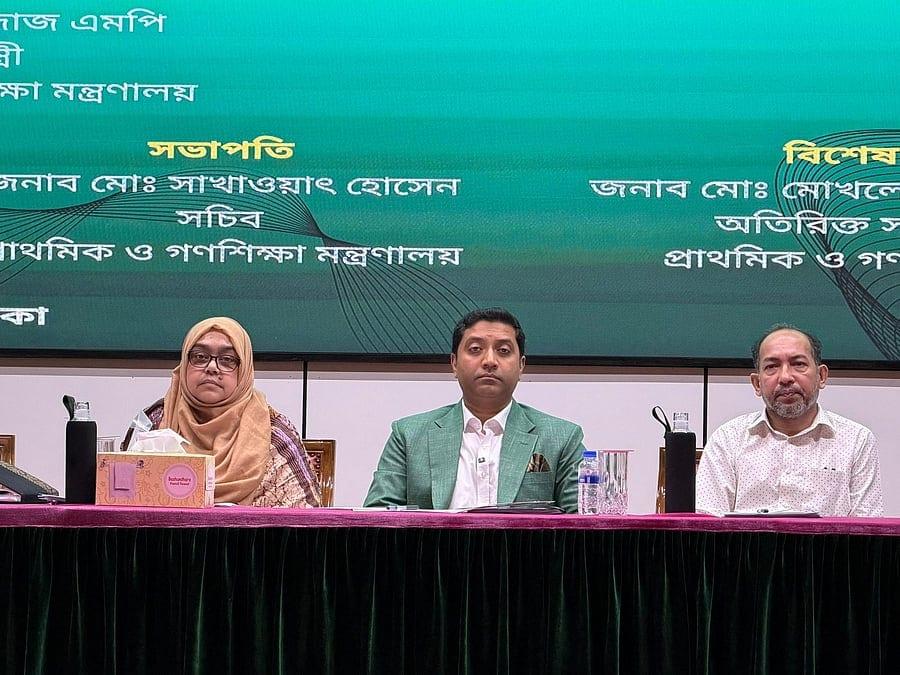
Deputy Minister for Primary and Mass Education Bobi Hajjaj has issued a stern warning against any compromise on the quality and supply of nutritious food in the school feeding or mid-day meal program. He emphasized that the government will maintain a zero-tolerance policy regarding the nutrition and future security of children. Hajjaj made these remarks during an instructional meeting with suppliers, project officials, and field-level personnel at the Primary Teacher Training Institute in the capital.
Hajjaz highlighted that this is not an ordinary meeting but a crucial program concerning the nutrition, health, and future of children. He stressed the need for utmost responsibility and integrity from all involved, whether government officials or suppliers. The minister informed that the extensive school feeding program is currently being implemented in 151 upazilas across the country at a cost of approximately 5.5 billion taka.
Addressing the suppliers, Hajjaj noted that while the current government is business and investment-friendly, there is no room for compromising on the quality of children's food under the guise of business. He warned that those unable to fulfill their responsibilities properly will not be allowed to continue in the program in the future.
To make the program more transparent and dynamic, the deputy minister issued several new and stringent directives. These include maintaining complete digital and comprehensive records of the food's origin, processing, and delivery to schools; employing specialized technicians to ensure the nutritional and qualitative standards of the food; encouraging local production by ensuring food collection and supply from the field level; ensuring timely delivery of food to schools every day; and strengthening quality control measures.
Hajjaz further stated, 'Our primary goal is to ensure that children receive proper nutritious food. The government will provide all feasible cooperation for this, but those responsible must also ensure their accountability.' Describing it as a pilot program, he said that once the current issues are resolved, the program will be expanded across the country on a larger scale.
During the meeting, representatives from supplier institutions highlighted various real-world challenges at the field level. In response, the deputy minister assured stronger collaboration with teachers, head teachers, and local administrations.
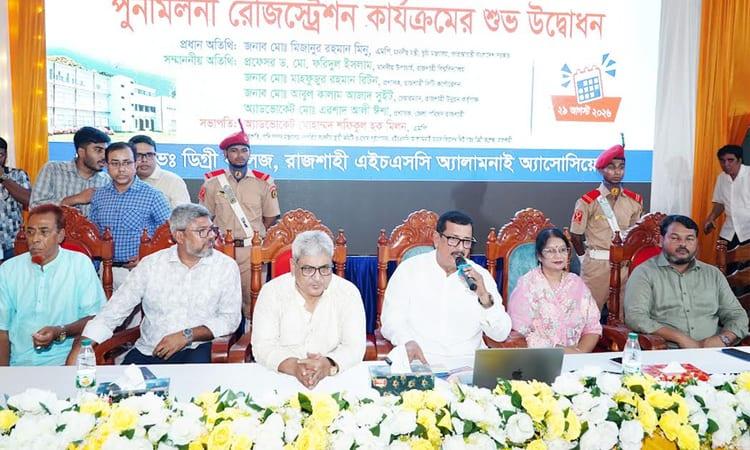
The meeting was chaired by Secretary of the Ministry of Primary and Mass Education, Mo. Sakhawat Hossain, and attended by Director General of the Directorate of Primary Education, Shaheena Ferdousi, project directors, deputy directors, district and upazila primary education officers, and relevant contractors.