Prime Minister Tarique Rahman has taken a significant step towards ensuring food safety and preventing food adulteration in Bangladesh. On July 6, 2026, he formed a high-powered committee headed by his adviser for public administration affairs. The committee's mandate includes identifying obstacles faced by relevant agencies in ensuring food safety, overseeing product quality, and conducting anti-adulteration drives.
Committee Composition and Mandate
The three-member committee comprises Premier’s Adviser for Public Administration Md Ismail Zabihullah, State Minister for Public Administration Md Abdul Bari, and Cabinet Division Secretary Nasimul Ghani. They have been tasked with submitting a report with recommendations within one month. The committee will work closely with officials from the Directorate of National Consumers' Right Protection (DNCRP), Bangladesh Food Safety Authority (BFSA), Bangladesh Standards and Testing Institution (BSTI), city corporations, and those involved in anti-adulteration drives and mobile court operations.
Challenges Highlighted by Officials
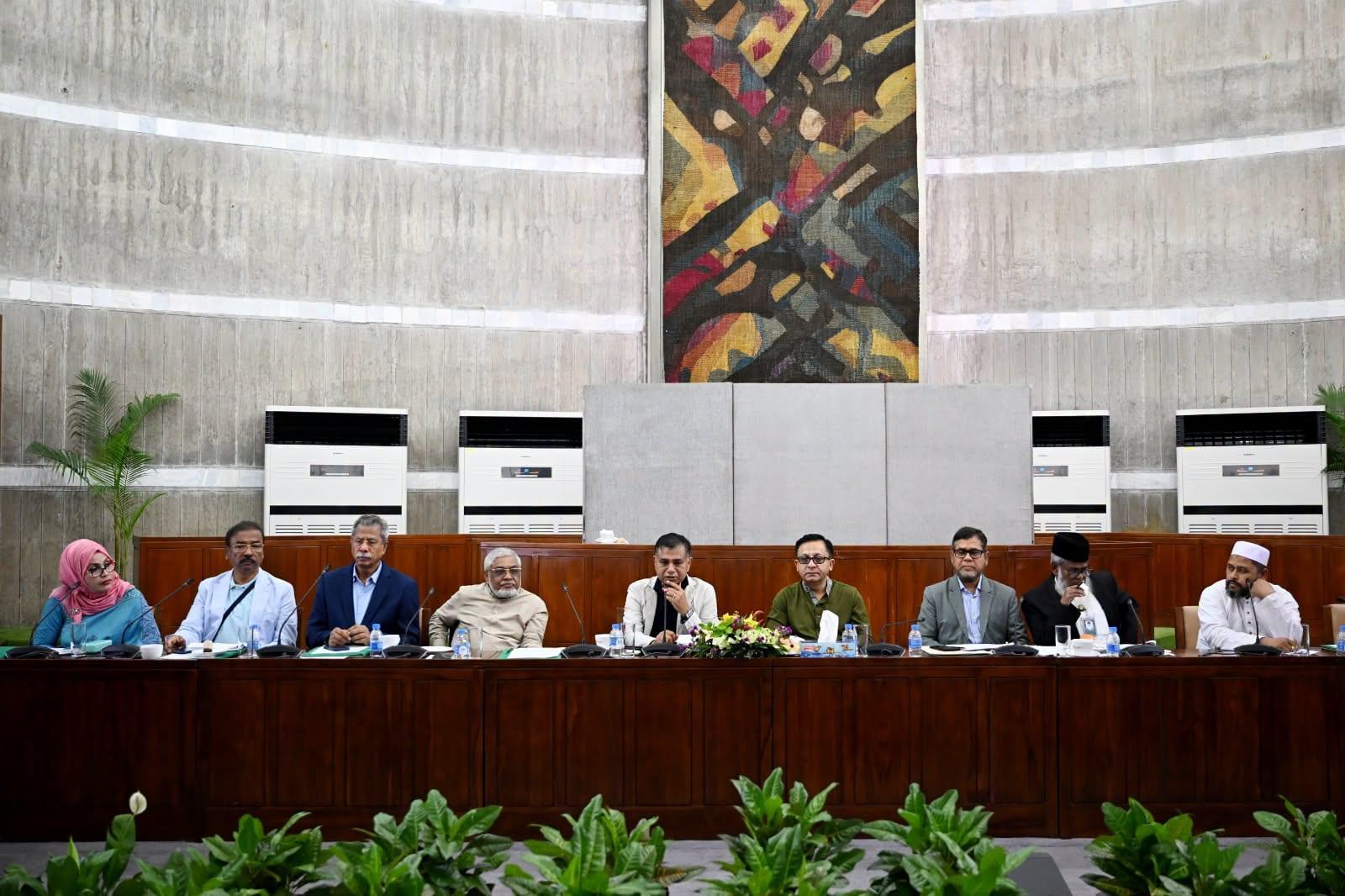
During a meeting at the Prime Minister's Office, officials from the DNCRP, BFSA, and BSTI informed the Prime Minister about the various challenges they face in carrying out anti-adulteration drives. Key issues include the need for increased manpower at the district level, establishment of advanced laboratories, modern equipment for field operations, and enhancing the powers of mobile courts. Officials also highlighted the security risks they face while conducting drives against influential groups and syndicates.
Prime Minister's Assurance and Vision
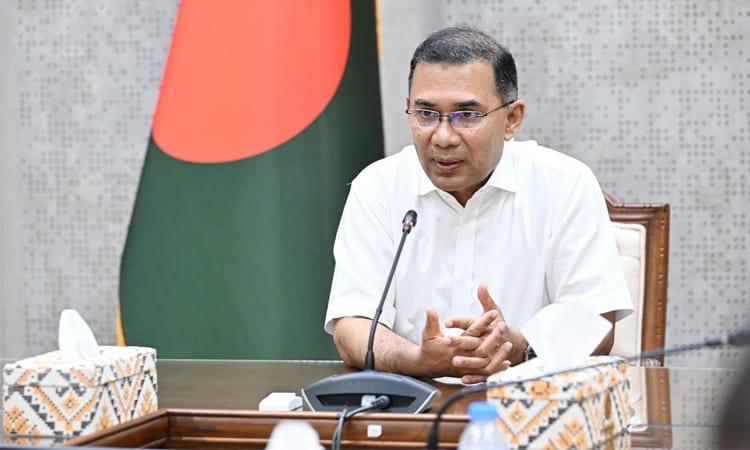
Prime Minister Tarique Rahman listened carefully to the concerns raised by the officials. He assured them of prompt action and emphasized the importance of moving forward despite the challenges. "Problems will always exist. Yet we have to move forward despite those challenges. We cannot remain idle," he said. The Prime Minister also highlighted the need for public awareness and responsibility, citing the management of Gulshan Lake as an example.
Significance and Next Steps
The formation of this high-powered committee is a crucial step towards addressing the ongoing issues of food safety and adulteration in Bangladesh. By identifying and overcoming the obstacles faced by agencies, the committee aims to enhance the effectiveness of anti-adulteration drives and ensure safer food for consumers. The recommendations from the committee will likely influence future policies and actions in this domain.