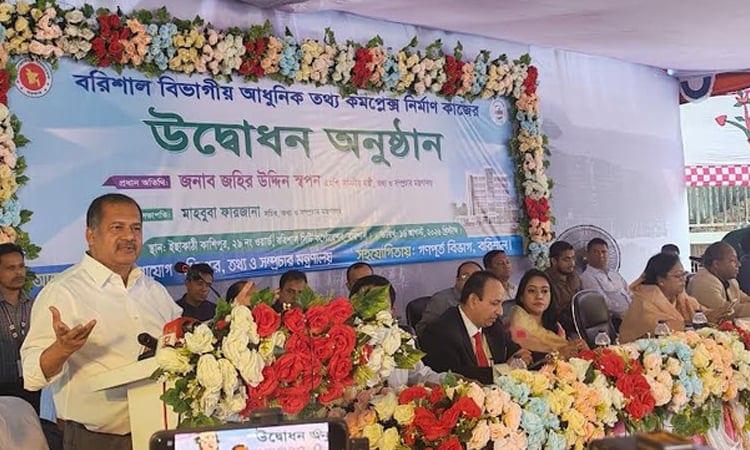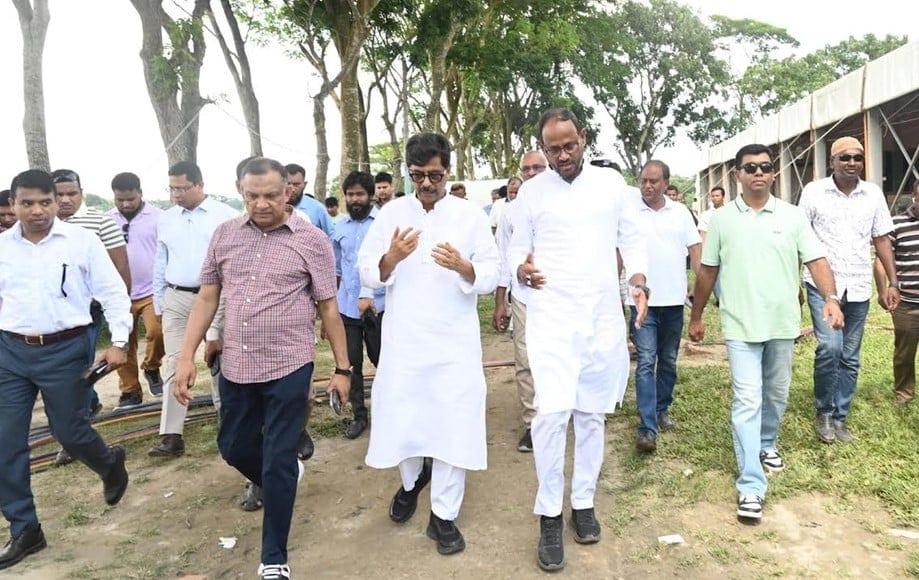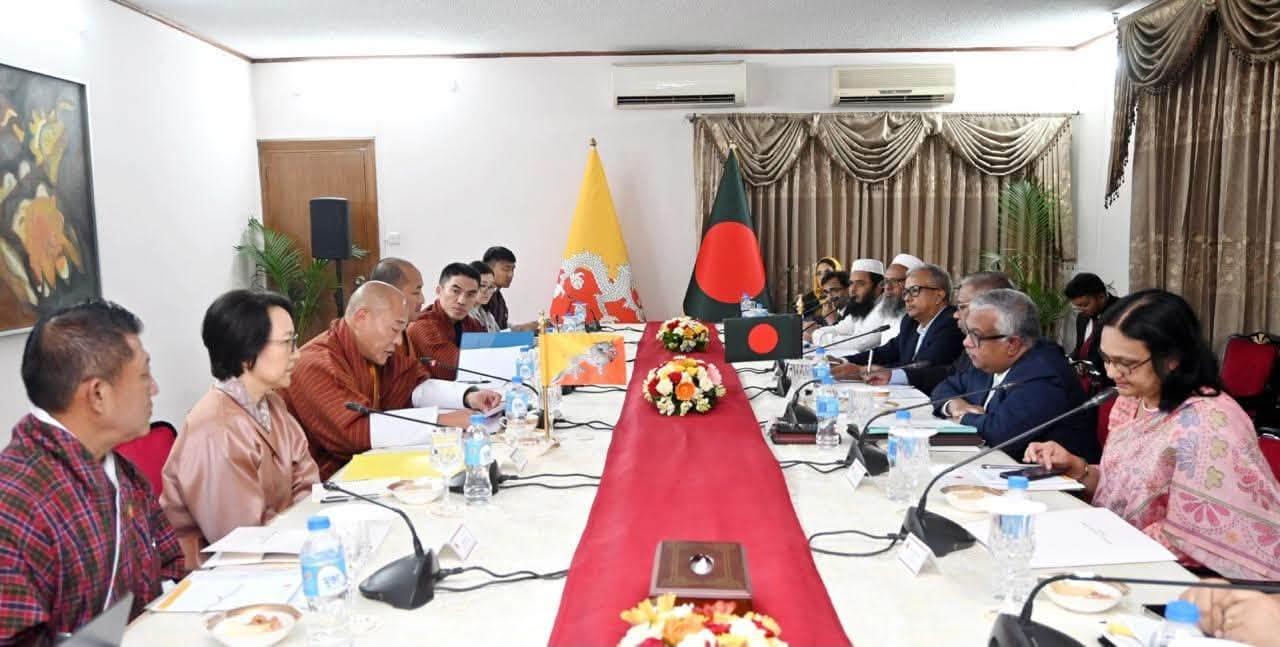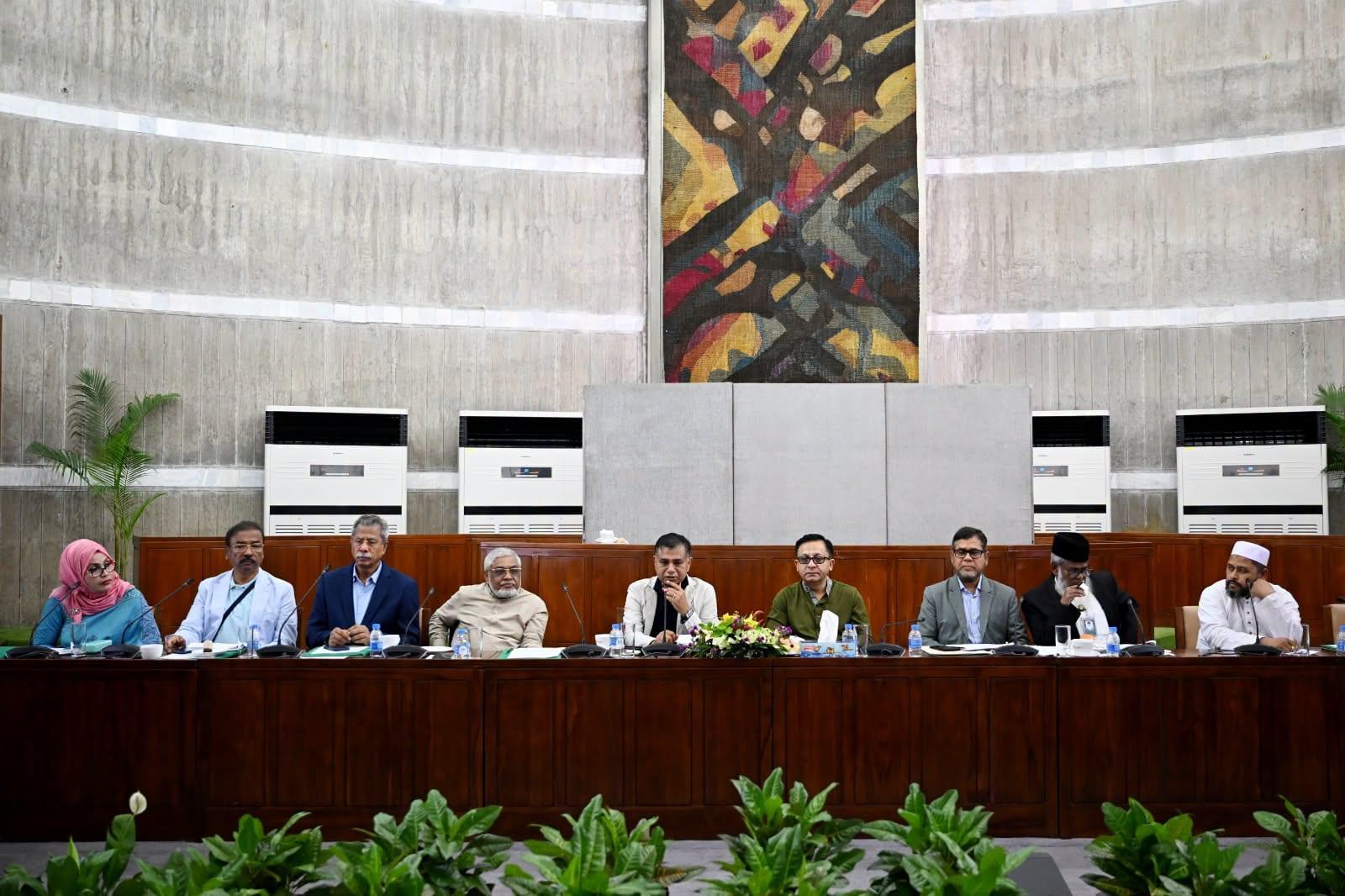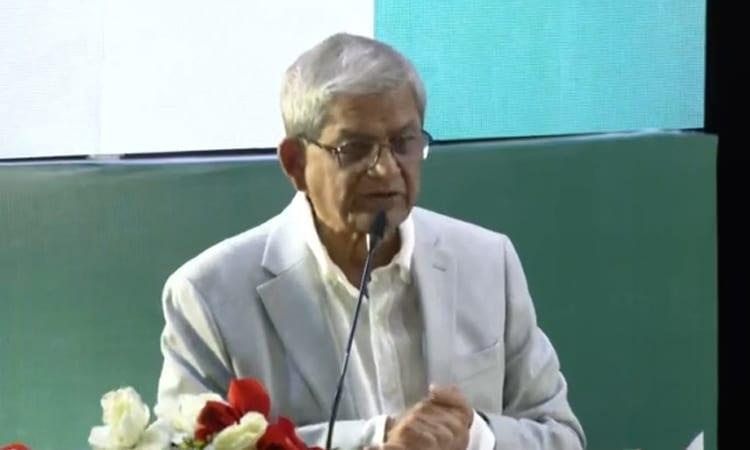
LGRD and Cooperatives Minister Mirza Fakhrul Islam Alamgir today stressed that sustainable prosperity cannot be achieved if villages are left behind while cities continue to advance. Speaking as the chief guest at a programme marking the 47th founding anniversary of the Centre on Integrated Rural Development for Asia and the Pacific (CIRDAP) and the Second World Rural Development Day, Fakhrul highlighted the need for inclusive, equitable, and rural-focused development. The event, held at the CIRDAP auditorium in Dhaka, saw the participation of ambassadors and high commissioners from various Asia-Pacific countries for the first time.
CIRDAP's Role and Achievements
Established in 1979 with the initiative of Bangladesh, other regional countries, and the UN Food and Agriculture Organization (FAO), CIRDAP has played a crucial role in strengthening regional cooperation, reducing poverty, and enhancing institutional capacity across member states. Bangladesh currently chairs the CIRDAP Governing Council and is leading efforts to seek UN recognition for World Rural Development Day, observed annually on July 6.
Over the past 47 years, CIRDAP has implemented 215 research programmes and 350 capacity-building initiatives, trained more than 8,000 government officials, and reached around 120,000 stakeholders through its digital network and publications. The organization is also expanding its regional engagement by seeking to include 40 more Asia-Pacific countries as members and strengthening cooperation with the Pacific Islands Development Forum (PIDF).
Challenges and Initiatives
Fakhrul referred to emerging challenges facing rural communities, including climate change, digital transformation, food security, and youth unemployment. He noted that CIRDAP is providing leadership in promoting climate-resilient agriculture and rural entrepreneurship. Describing Bangladesh as a global model of rural development since independence, Fakhrul said the current government, which assumed office in February this year, has placed rural development at the center of its agenda.
The government has waived agricultural loans of up to Tk 10,000 for small farmers, benefiting more than 12 lakh farmers, and plans to transform villages into centers of administration, infrastructure, and public services with support from institutions, including Ansar and VDP. Fakhrul also announced a five-year programme to re-excavate 20,000 kilometers of canals nationwide to restore irrigation facilities and increase agricultural productivity.
Government Commitments and Future Plans
The minister highlighted several government initiatives aimed at improving rural livelihoods. These include providing monthly financial assistance to low-income women-headed families through the Family Card programme and the proposed Farmer Card initiative, which will enable farmers to access subsidised agricultural inputs, credit, insurance, and marketing facilities more easily. The government has also prioritised education and healthcare to strengthen the capacity of rural communities.
Fakhrul reaffirmed the government's commitment to bringing qualitative improvements to rural livelihoods under the leadership of Prime Minister Tarique Rahman. He praised CIRDAP's contributions over the past 47 years and welcomed the international recognition of World Rural Development Day.