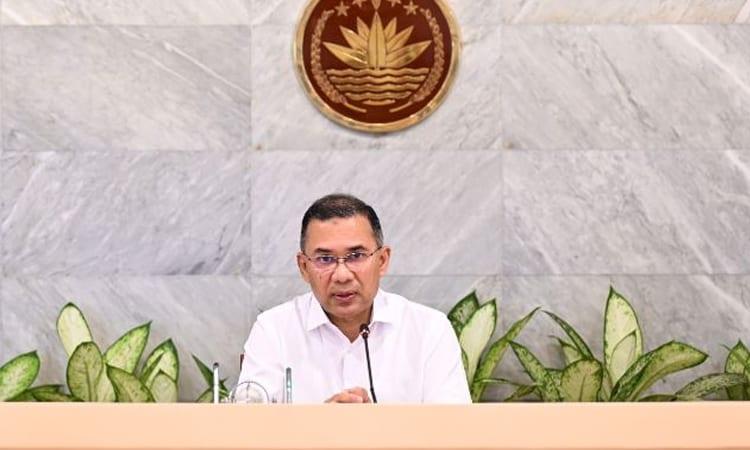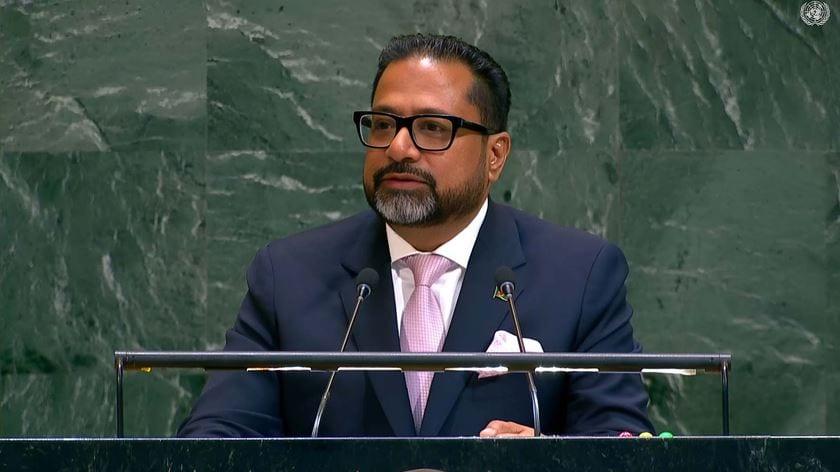
Bangladesh has reaffirmed its commitment to building inclusive, affordable, climate-resilient, and sustainable cities, highlighting planned urbanization as a key driver of economic growth, social inclusion, and environmental resilience. State Minister for Housing and Public Works Ahammad Sohel Monzoor delivered Bangladesh's national statement at the High-Level Meeting on the Midterm Review of the New Urban Agenda at the United Nations Headquarters.
National Development Strategy
Monzoor emphasized that planned urbanization, affordable housing, and balanced regional development are among the key pillars of Bangladesh's national development strategy. The country views urbanization as essential for economic growth, social inclusion, and climate resilience.
Government Initiatives
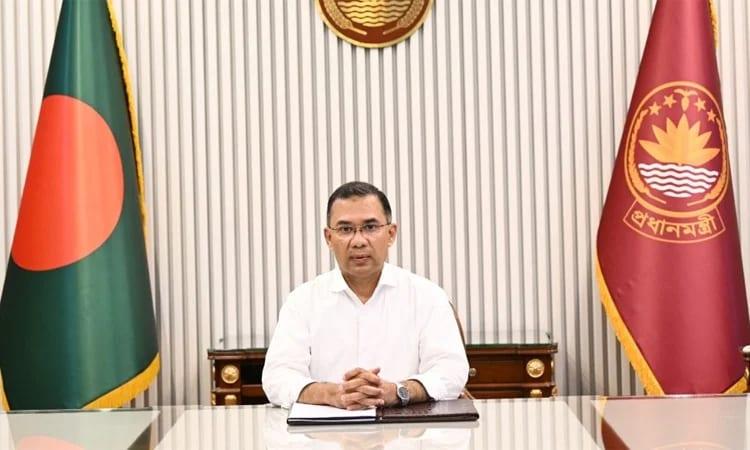
Referring to Prime Minister Tarique Rahman's 'Bangladesh First' policy, Monzoor said the government prioritizes expanding affordable housing, strengthening local government institutions, and developing sustainable urban infrastructure. These initiatives aim to advance the implementation of the New Urban Agenda and the Sustainable Development Goals (SDGs).
The government is also focusing on integrated spatial planning, digital land management, innovative urban financing, balanced regional development, and climate-resilient urban infrastructure as part of its forward-looking urban development strategy.
Monzoor called for stronger global partnerships, greater technology transfer, enhanced capacity building, and innovative financing to accelerate sustainable urbanization worldwide. He stressed that sustainable urban development should ensure no people or regions are left behind.