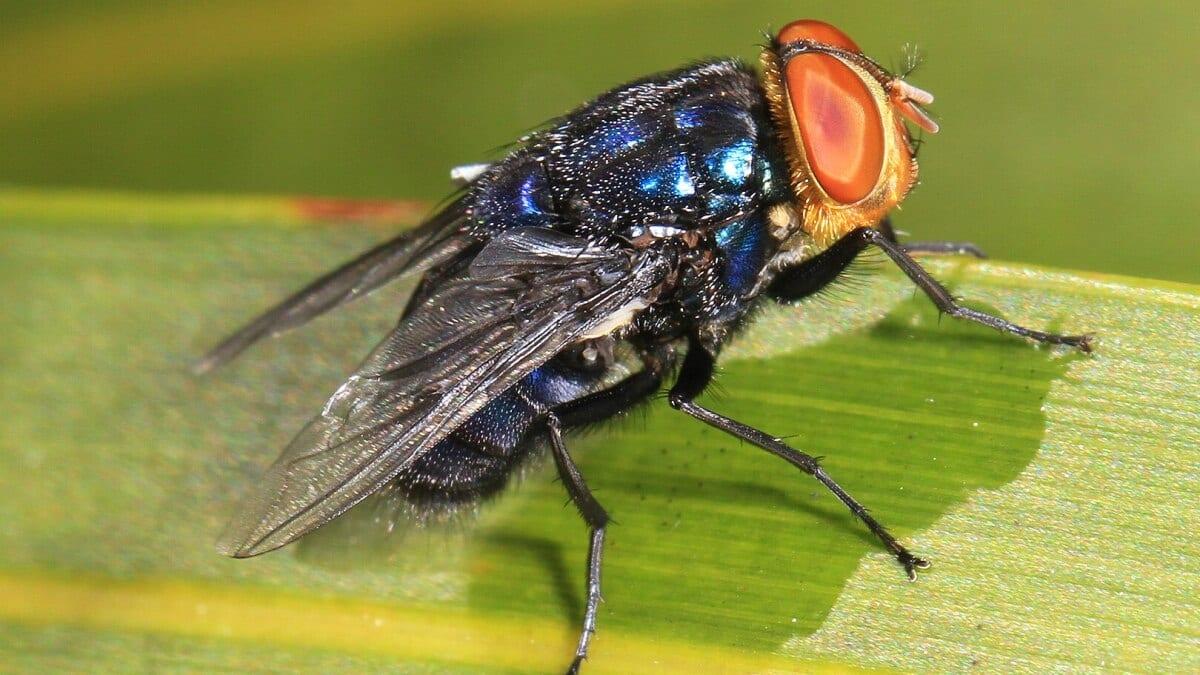
Mexico and the United States have inaugurated a $61-million factory in Chiapas to produce sterile flies aimed at combating the New World screwworm (NWS), a deadly cattle parasite. The factory, a joint effort by both nations, is designed to yield 10 million sterile flies per week once it reaches full capacity. This initiative seeks to break the reproductive cycle of the NWS fly, which can be lethal to cattle if left untreated.
Background and Significance
The New World screwworm fly lays its eggs in open wounds or mucous membranes of warm-blooded animals. Once hatched, the larvae feed on flesh, leading to severe infestations that can be fatal. The United States had previously eradicated the parasite in 1966 using a similar technique of releasing sterile flies. However, an outbreak in Florida in 2016, primarily affecting deer, prompted renewed efforts. Early this month, a case was detected in Texas, leading to a ban on livestock trade with Mexico last summer after cattle tested positive for the pest.
Joint Effort and Factory Details
The factory was inaugurated by President Claudia Sheinbaum and US Agriculture Secretary Brooke Rollins. Both countries contributed to its construction, which was completed in less than a year. The plant is expected to produce 10 million sterile flies per week, similar to an existing facility in Panama. Mexico detected its first case of the NWS fly in 2024 in Chiapas, highlighting the urgency of the new factory.
Methodology and Expected Impact
The sterile insect technique involves releasing millions of sterile male flies to mate with wild females, thereby breaking the reproductive cycle of the parasite. This method has proven effective in the past and is expected to significantly reduce the NWS fly population, protecting cattle and other livestock from deadly infestations.