The Tragic Discovery
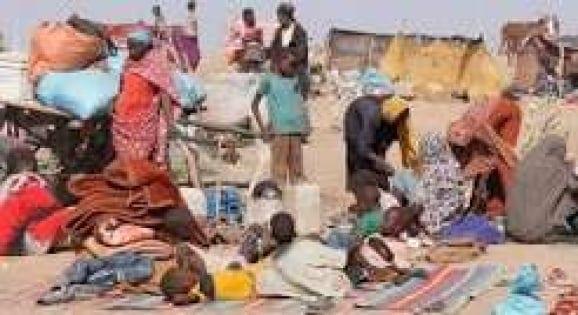
In a grim discovery, authorities found the bodies of 14 Afghan migrants who had tragically lost their lives in the scorching desert of southwestern Afghanistan. Weeks after their vehicle broke down, they had set off on foot towards Iran, a common destination for those seeking better economic opportunities.
The search for the missing group intensified when the driver of the vehicle, parched and exhausted, staggered into a village in Nimroz province seeking help. Initial searches led to the discovery of five bodies, but the remaining 14 continued to be sought after. Nimroz, known for its extreme temperatures reaching up to 45°C, proved a deadly environment for the travelers.
Background and Context
Nimroz, one of Afghanistan's hottest and most arid provinces, is a perilous region for those attempting to cross into Iran. Legal avenues for entry into Iran are scarce, prompting many Afghans to take dangerous routes. Iran remains a destination of choice due to the economic opportunities it offers, which are often unattainable in Afghanistan.
The bodies were found buried in sand, a source at the Nimroz provincial hospital confirmed. Abdul Mutawakil Tawhidi, a provincial government spokesman, verified the discovery. Among the deceased were young men from the village of Qolghi in Badghis province, who had left home 23 days prior.
This incident underscores the perilous nature of the journey many Afghans undertake. The Interior Ministry has reiterated its commitment to combating human trafficking, a serious issue along the Afghanistan-Iran border. Temperatures in the border areas can be dangerously high in summer and plummet to freezing levels in winter, posing continuous threats to migrants.
Last December, at least 18 Afghans died while attempting the same crossing into Iran, including a fifteen-year-old boy. These tragedies highlight the urgent need for safer migration pathways and humanitarian aid for those in transit.