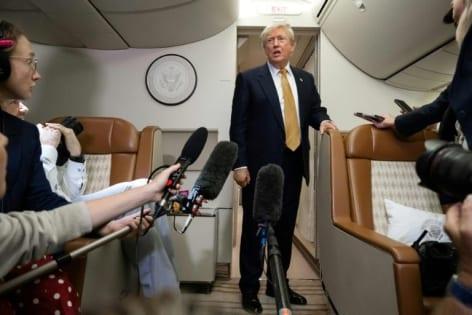
US President Donald Trump has secured a diplomatic breakthrough in the Middle East with Hamas militants agreeing to disarm, yet remains entangled in the ongoing conflict with Iran. After five months of war, Trump's options appear increasingly limited, and his strategy seems improvised. The conflict, which has spread from Iraq to Saudi Arabia and even Egypt, has left the US president at an impasse. Despite initial strikes against Iran in February, aimed at preventing Tehran from acquiring a nuclear weapon, the situation has not gone according to plan. The focus has shifted to the Strait of Hormuz, where Iran has disrupted maritime traffic, leading to repeated US strikes and retaliatory attacks by Iran's Revolutionary Guards. The conflict shows no signs of a quick resolution, with experts predicting prolonged disruption and instability in the region.
Trump's approach to the conflict has been met with growing domestic opposition. An average of polls shows that 58.3 percent of Americans oppose the war, a figure that has been steadily rising since March. The issue is politically explosive, with November midterm elections approaching and the potential for Trump to lose Republican majorities in the House and Senate. The economic impact, particularly higher gas prices, has further angered consumers.
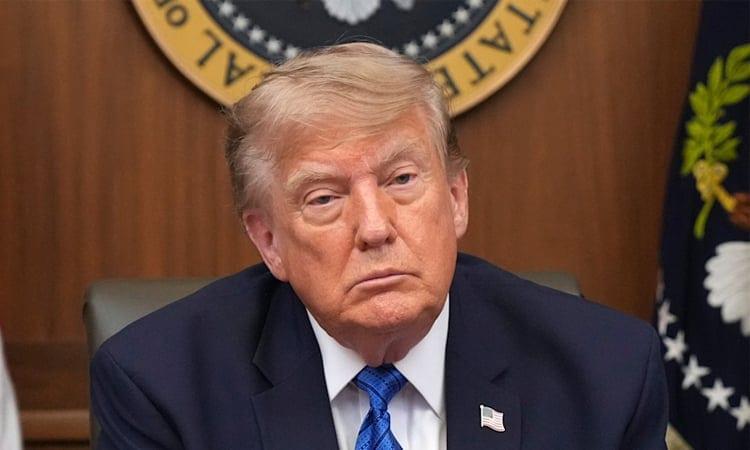
During a recent meeting at Camp David, Trump convened his cabinet but offered no indication of a shift in strategy. Unnamed US officials reported that Trump expressed frustration over his limited options to end the war. The situation largely depends on Tehran's actions, and the conflict has entered a phase where neither side appears to be benefiting. Experts describe the situation as a 'lose-lose equation,' with prolonged instability likely in the region.
Background and Context
The conflict began with US and Israeli strikes against Iran on February 28, which resulted in the deaths of numerous Iranian officials, including Iran's supreme leader Ali Khamenei. Despite US claims of achieving key military objectives, such as destroying Iran's navy and degrading its ballistic missile capabilities, the focus has shifted to the Strait of Hormuz. Iran's attacks on shipping vessels have disrupted key maritime traffic, catching Washington off guard. A June 17 agreement to halt the fighting has already broken down, leading to continued hostilities.