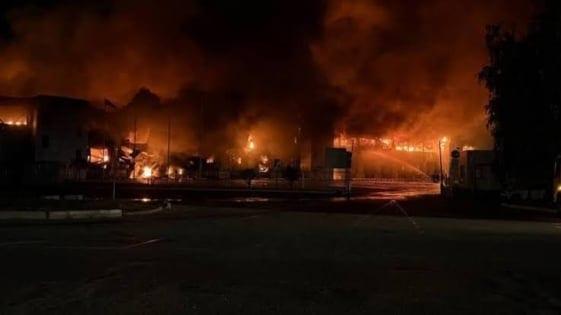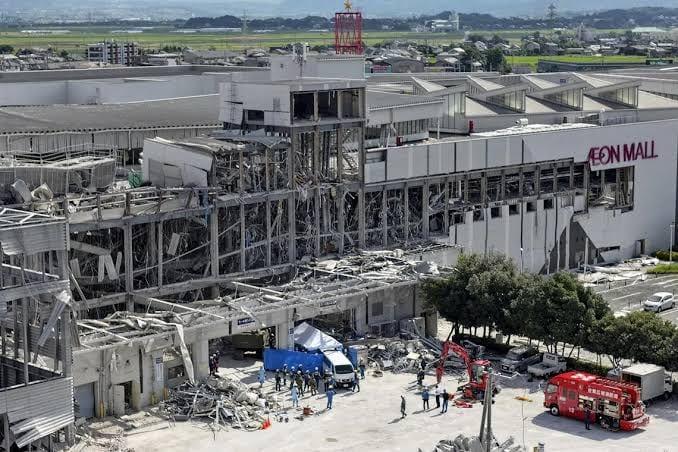
Japanese officials declared the end of rescue operations at a shopping mall devastated by an explosion following a 7.1-magnitude earthquake in Kumamoto on August 1, 2026. The disaster resulted in at least 36 deaths, with seven confirmed fatalities at the mall site. Rescue efforts were carried out over two days in coordination with various emergency services.
Background and Impact
The Kumamoto region, already familiar with seismic activity, experienced widespread destruction from the earthquake. Homes were flattened, bridges damaged, and infrastructure severely impacted. The quake also triggered fires and left many without essential services like electricity and water.
The mall, operated by Aeon, saw seven employees among the deceased. Rescue operations at another site, a paper factory with a collapsed smokestack, also concluded with nine fatalities and two survivors. Over 9,000 people remained in shelters, with 59,000 households still without water despite most power outages being resolved.
Japan's location on the Pacific 'Ring of Fire' makes it highly susceptible to seismic events. The Kumamoto region had faced significant earthquakes in 2016, which caused substantial loss of life and injuries.
The recent disaster underscores the ongoing challenges Japan faces in managing the aftermath of natural disasters. The coordinated rescue efforts highlight the importance of regional and national emergency response capabilities.
The extensive damage and loss of life emphasize the need for continued investment in disaster preparedness and infrastructure resilience. The recovery process will require significant resources and time.
Communities in the region are now focusing on recovery efforts, with many still displaced and in need of basic necessities. The impact of the earthquake and subsequent events will be felt for years to come.