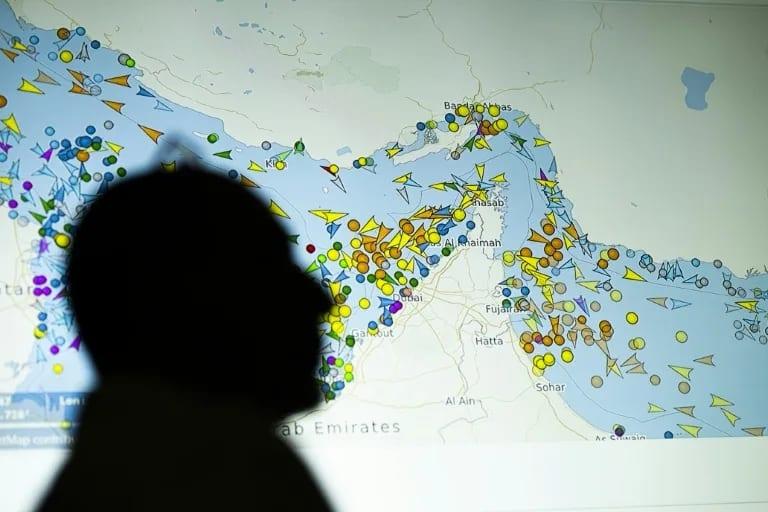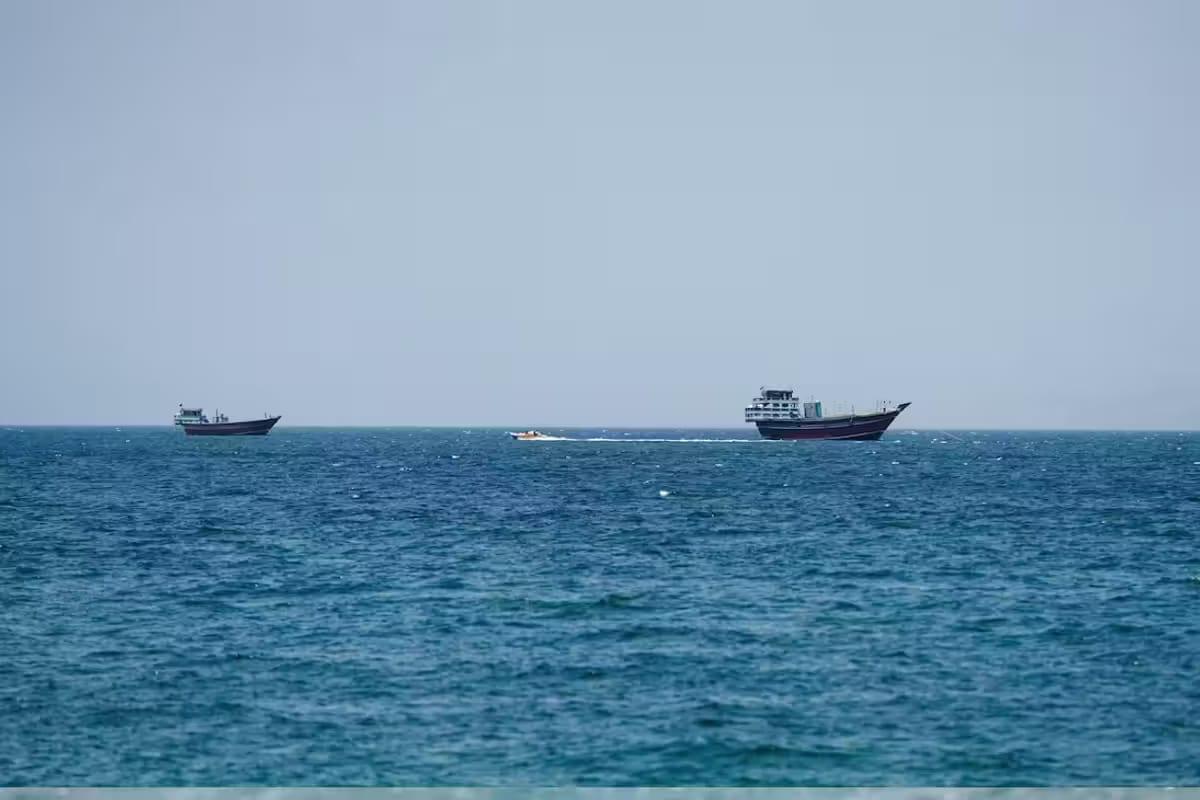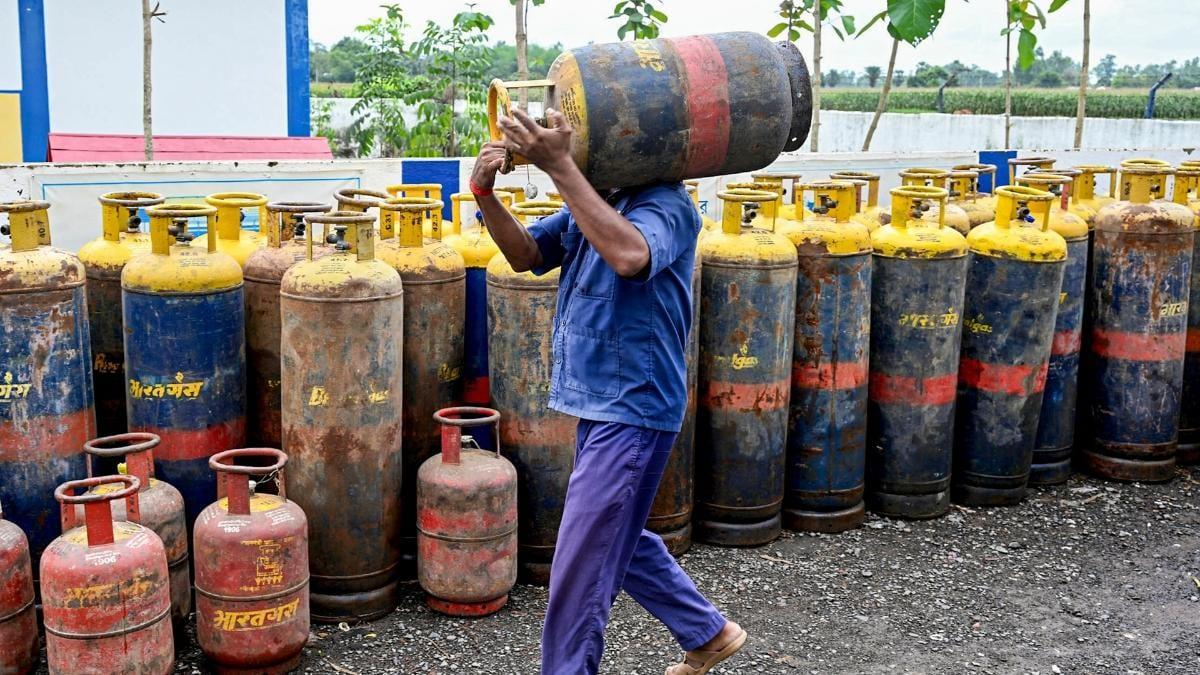
India has removed restrictions on commercial liquified petroleum gas (LPG) supplies that were imposed during the Middle East war when energy supplies were disrupted by the closure of the Strait of Hormuz. The government ended the restrictions on 'non-domestic packed LPG and restored supplies to the levels prevailing prior to the West Asia crisis', according to a statement from the petroleum ministry. The supply of bulk LPG, which had been suspended at the onset of the crisis, has been relaxed by 50 percent of the pre-crisis consumption levels. The restoration follows the recent improvement in the LPG supply situation. This decision comes after Iran and the US signed a deal that included opening the strategic waterway.
Background and Impact
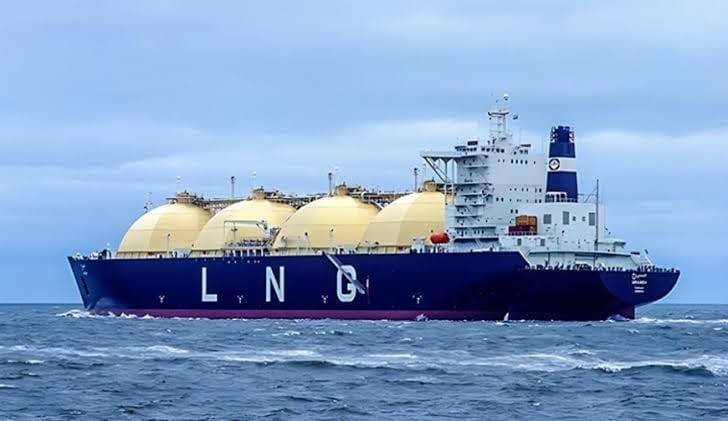
India, the world's most populous country, is the second-largest importer of LPG, with much of it coming from the Middle East. A fifth of global oil and gas usually pass through the Strait of Hormuz, which was shut after the start of the US-Iran war in late February. During the crisis, the Indian government raised prices for LPG, a primary cooking fuel for millions of households. Supply disruptions through the Gulf routes piled pressure on India's economy, clouding growth forecasts.
Government Measures
Last month, India also approved a nearly $4 billion plan for expanding coal gasification—a cleaner process to burn coal—aiming to ease energy supply pressures caused by the war. The recent improvement in energy cargo passing through the Strait of Hormuz has allowed the government to relax the restrictions on LPG supplies. The petroleum ministry's statement noted that the restoration of LPG supplies is a direct result of the improved supply situation in the region.
Future Outlook
The easing of restrictions on LPG supplies is expected to provide some relief to India's energy sector, which has been under significant strain due to the Middle East crisis. However, the long-term impact on India's energy security and economic growth will depend on the stability of the geopolitical situation in the region and the continued flow of energy supplies through critical waterways like the Strait of Hormuz.