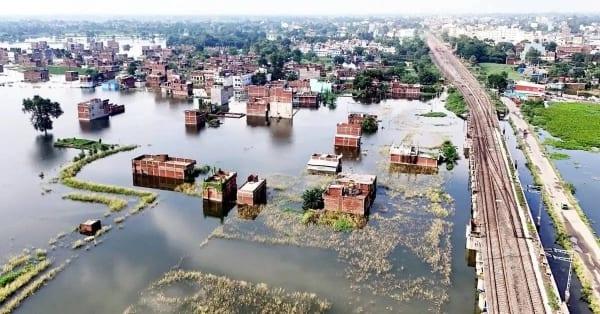
Floodplains are formed by the accumulation of silt carried by floodwaters along riverbanks. Plateaus, on the other hand, are elevated, extensive, and uneven landforms that stand several hundred meters above sea level, covering about 5% of the Earth's land. The red soil of the Barind region is due to its oxidized and iron-rich composition. Plateaus can form through tectonic movements, erosion of ancient mountains, lava accumulation, wind-blown sand, or ice accumulation.
Formation of Plateaus
Plateaus can be formed by various processes including tectonic movements, erosion, lava accumulation, wind-blown sand, and ice accumulation. Examples include the Tibetan Plateau, Colorado Plateau, and Greenland Plateau.