The Pulse Today
BREAKING
Sajib Pledges Aid for 50,000 Flood-Affected People in SonargaonMP Azharul Islam Mannan Distributes Relief Funds to Needy Families in SonargaonParliament Proposes Anti-Gambling Bill with Maximum 7-Year Prison PenaltyOpenAI Unveils 'Schedule' Feature to Boost Task Management in AI ChatbotPrime Minister Tareq Rahman Arrives in Dalian, China for Economic ForumEurope Confronts Intense Heatwave; Conditions Predicted to DeteriorateGold Prices Rise Again in Bangladesh Amid Global Market IncreaseSpaceX's Nasdaq Debut Values Company at Over $2 Trillion, Surpassing AmazonStudy Reveals AI Data Centers Contribute to Local Temperature IncreasesNarayanganj BNP Youth Wing Holds Rally to Welcome New Central CommitteeUS Embassies in Middle East Advise Citizens to Consider Leaving Amid Rising TensionsLionel Messi's Return Ends in 2-2 Draw for Inter Miami Against Columbus CrewJosh Kerr Secures Mile Gold for Scotland at Glasgow Commonwealth GamesDressel and Walsh Excel at US Swimming Championships, Eyeing Pan PacificUS and Japan Intervene Jointly to Support Yen in First Coordinated Effort in Nearly 30 YearsOPEC+ Likely to Increase Oil Production Quotas in SeptemberChongqing: China's Biker Capital Draws Thrill-Seeking TouristsTrump Announces Temporary Deferral of US-Israel Military Strikes on IranGaza Authorities Recover 112 Bodies from Rubble Following Prolonged Israeli StrikesEight Fatalities Reported in Overnight Israeli Strikes on GazaEala Upsets Osaka, Advances to Washington Open Final Against PegulaJapan's World Cosplay Summit Moves to November to Avoid Extreme Summer HeatDe Zerbi Expresses Uncertainty Over Richarlison's Future at Tottenham13 Lives Lost as Tourist Plane Crashes in Peru While Flying Over Nazca LinesExplosion at Moscow Restaurant: Three Dead, 21 Injured

US and Japan Intervene Jointly to Support Yen in First Coordinated Effort in Nearly 30 Years

Tokyo and Washington intervened jointly to support the yen, the first such coordinated effort in nearly 30 years.

By Staff Correspondent
Share
Tokyo and Washington took joint action to support yen: media | Business
BSS

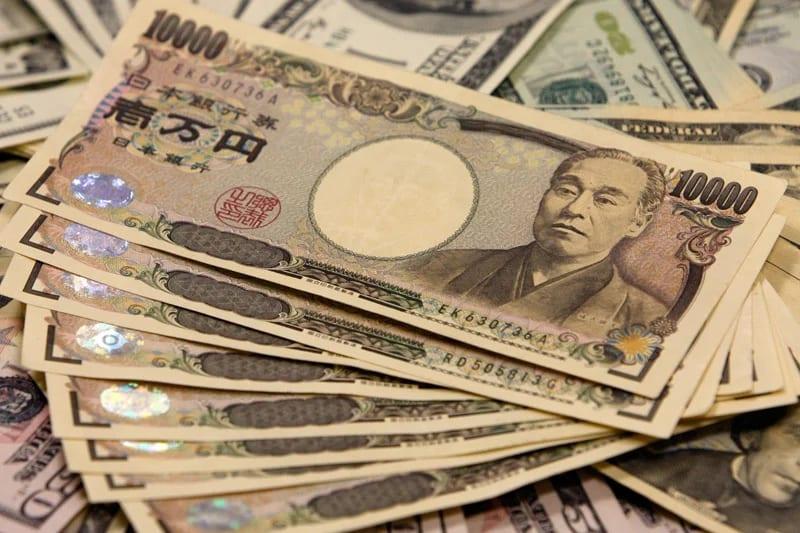
In a significant move to stabilize the Japanese yen, authorities from the United States and Japan have reportedly intervened in the currency markets together for the first time in decades. This joint action follows the yen's decline to its weakest level since 1986, driven by a combination of higher US interest rates, rising oil prices, and persistent capital outflows.

Background and Context

The yen slid to 163.24 against the dollar in July, its lowest point since 1986. The currency's weakness has been exacerbated by the widening gap between interest rates in Japan and those in the United States. As the US Federal Reserve raises rates, investors have increasingly engaged in 'carry trades,' borrowing cheaply in yen to invest in higher-yielding assets elsewhere, leading to capital outflows and downward pressure on the yen.

The Federal Reserve Bank of New York reportedly sold euros to buy yen on behalf of the US Treasury through intermediaries Goldman Sachs and Morgan Stanley. Although it remains unclear whether Japanese authorities directly intervened, the sharp rebound in the yen has fueled speculation of their involvement. Analysts estimate that Japan's intervention could have amounted to between 6 trillion and 8.45 trillion yen ($37.5 billion to $52.8 billion).

Why It Matters

The coordinated intervention marks a rare and significant effort by the US and Japan to manage the yen's value, highlighting the economic interdependence between the two nations. This move aims to prevent the yen's depreciation from escalating into a broader financial crisis, which could have adverse effects on global markets. Additionally, the intervention underscores the urgency for Japan to address the underlying issues driving the yen's weakness, including the persistent low-interest-rate environment and capital outflows.

While the immediate impact of the intervention has been to stabilize the yen, the long-term effectiveness will depend on addressing the root causes of the currency's decline. Policymakers in Japan may need to consider additional measures, such as fiscal stimulus or changes in monetary policy, to support the yen and bolster economic confidence.


Source: BSS

FAQ

Why did the yen weaken to its lowest level in decades?
The yen weakened due to higher US interest rates, rising oil prices, and capital outflows.
How did the US and Japan intervene to support the yen?
The Federal Reserve Bank of New York sold euros to buy yen, with transactions carried out through Goldman Sachs and Morgan Stanley.
How much did Japan's intervention amount to?
Estimates suggest Japan's intervention may have totalled between 6 trillion and 8.45 trillion yen.

Topics

Comments

More in business

See all →

Latest stories