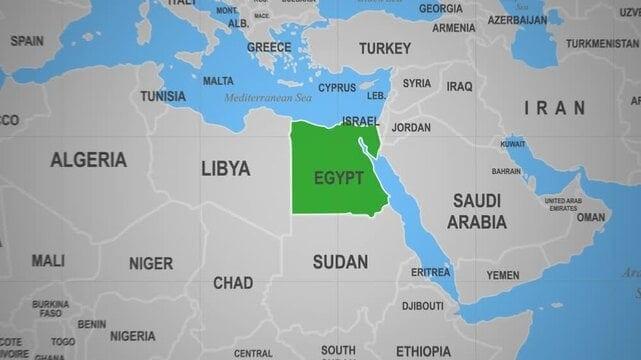
The World Bank has approved $1.1 billion for two projects to help Bangladesh mitigate the price and supply volatility in the global fertilizer and fuel markets, sustain food security, and enable rapid response. This support comes as rising food, fertilizer, and fuel prices stemming from the Middle East conflict, along with tighter fiscal space, have deeply impacted Bangladesh’s economy, particularly affecting smallholder farmers and vulnerable populations.
Emergency Support for Food Security Project
The Emergency Support for Food Security Project, valued at $300 million, will provide time-bound financing to help Bangladesh import critical fertilizers for the Aman and Boro rice seasons. Bangladesh imports over 85% of its fertilizer requirements, and this project will finance the import of 600,000 metric tons of critical fertilizers, half of which will be Urea. This will cover 1,400,000 hectares of rice production cultivated by smallholder farmers.
Souleymane Coulibaly, World Bank Lead Economist and Task Team Leader for the project, emphasized the importance of these rice seasons, stating, 'Bangladesh’s food security depends on Aman and Boro rice seasons, which together account for about 90% of the country’s total rice production. Further, about half the population is employed in the agriculture sector. So, any disruption in fertilizer supply would not only threaten food security, it would deepen poverty and cost jobs.'
Contingent Emergency Response Project
The Contingent Emergency Response Project, with a funding of $713 million, will support quick-disbursing emergency expenditures, including cash transfers and livelihood assistance for affected households and micro, small, and medium enterprises. This will help stabilize incomes and preserve jobs during crises. Additionally, the project will finance fuel and energy supplies to continue essential services, including food, medicines, medical equipment, energy, and water.
Lesley Jeanne Yu Cordero, World Bank Lead Disaster Risk Management Specialist and Task Team Leader for the project, noted, 'This project will provide Bangladesh immediate access to funds through the World Bank’s crisis preparedness and response toolkit by repurposing unutilized financing from existing projects, directing resources where they are most needed and protecting people, businesses, and jobs from the impact of shocks.'
Impact and Importance
Jean Pesme, World Bank Division Director for Bangladesh and Bhutan, highlighted the critical nature of this support, saying, 'The World Bank has stepped up with immediate support to help Bangladesh mitigate this impact to ensure fertilizer supply for rice production, protect households, jobs and livelihoods and continue with essential services.' The combined efforts of these projects aim to safeguard Bangladesh’s economy and ensure the well-being of its population amidst ongoing global challenges.