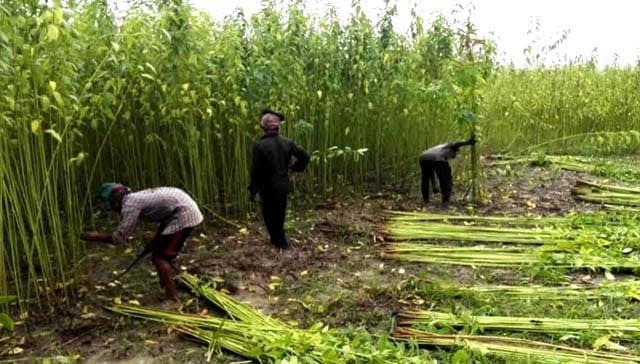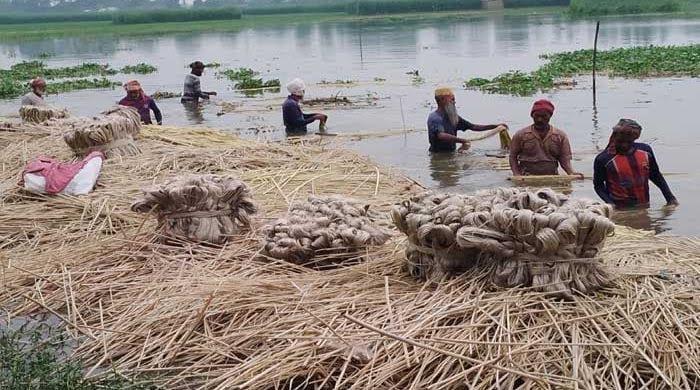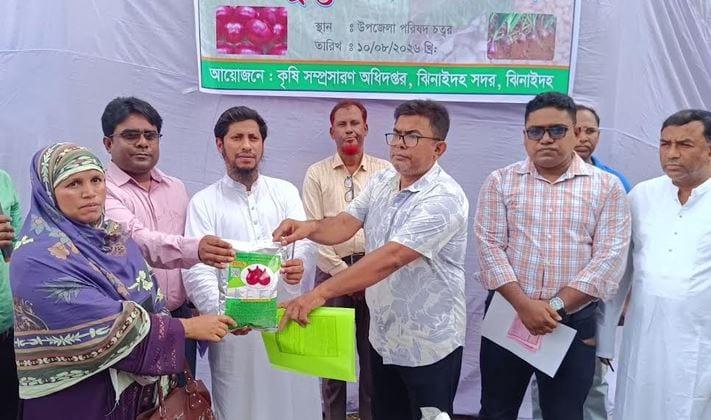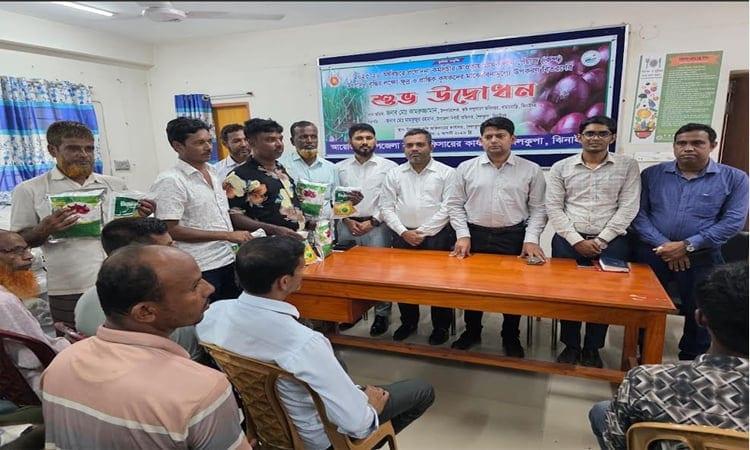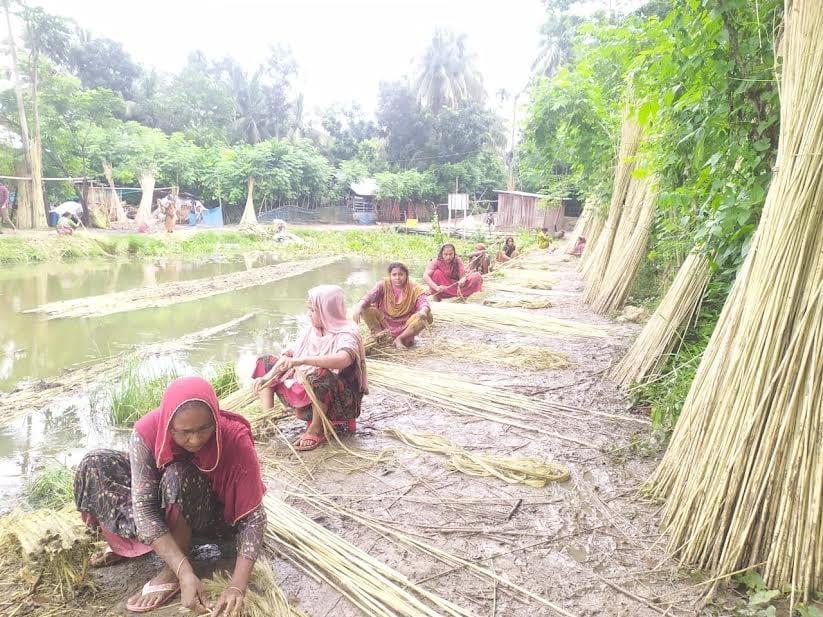
This agricultural season, the Department of Agricultural Extension (DAE) has set an ambitious target of producing 316,898 bales of jute in Narail, Bangladesh. The target is driven by a slight increase in cultivation area, favorable weather, improved yields, and rising demand for eco-friendly jute products both domestically and internationally. Farmers in Narail have responded positively to the government's agricultural incentive program, which provided free jute seeds and fertilizers to 3,200 small and marginal farmers.
According to DAE, jute cultivation in Narail has expanded to 23,517 hectares this year, up from 23,498 hectares last season. The high-yielding varieties such as O-9897, GRO-524, and BJRI Tosha-8 have been predominantly planted across the Narail Sadar, Lohagara, and Kalia upazilas. DAE Deputy Director Muhammad Arifur Rahman highlighted that Narail's soil is highly suitable for jute cultivation, making it an ideal location for achieving the production target.
Why has jute production increased in Narail this season?
Jute production has increased in Narail due to favorable weather conditions, improved yields, and growing demand for eco-friendly jute products. The government's agricultural incentive program, which provided free jute seeds and fertilizers to small and marginal farmers, has also encouraged higher cultivation.
What are the key areas for jute cultivation in Narail?
The key areas for jute cultivation in Narail are Narail Sadar, Lohagara, and Kalia upazilas. The total cultivated area has increased to 23,517 hectares this season, up from 23,498 hectares last season.
Which varieties of jute are being cultivated in Narail?
Farmers in Narail are mainly cultivating high-yielding varieties of jute, including O-9897, GRO-524, and BJRI Tosha-8. These varieties are chosen for their higher productivity and suitability to the local soil and weather conditions.
How has the government supported jute farmers in Narail?
Under the government's agricultural incentive program, 3,200 small and marginal farmers in Narail received one kilogram of jute seed, five kilograms of DAP fertiliser, and five kilograms of MOP fertiliser each free of cost this season. This support has helped boost cultivation and achieve the production target.