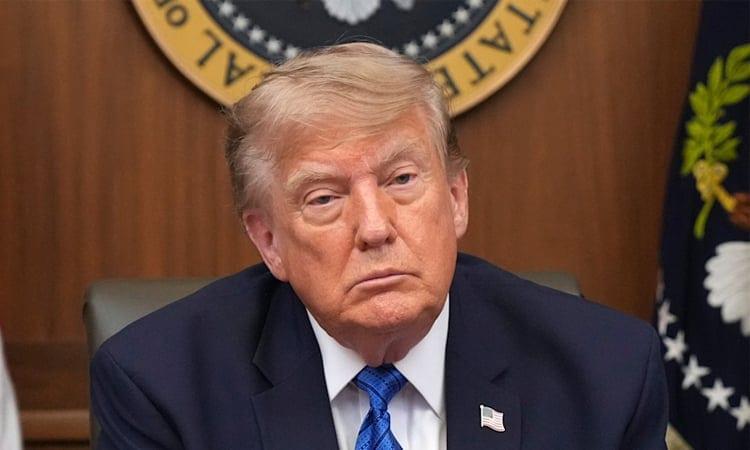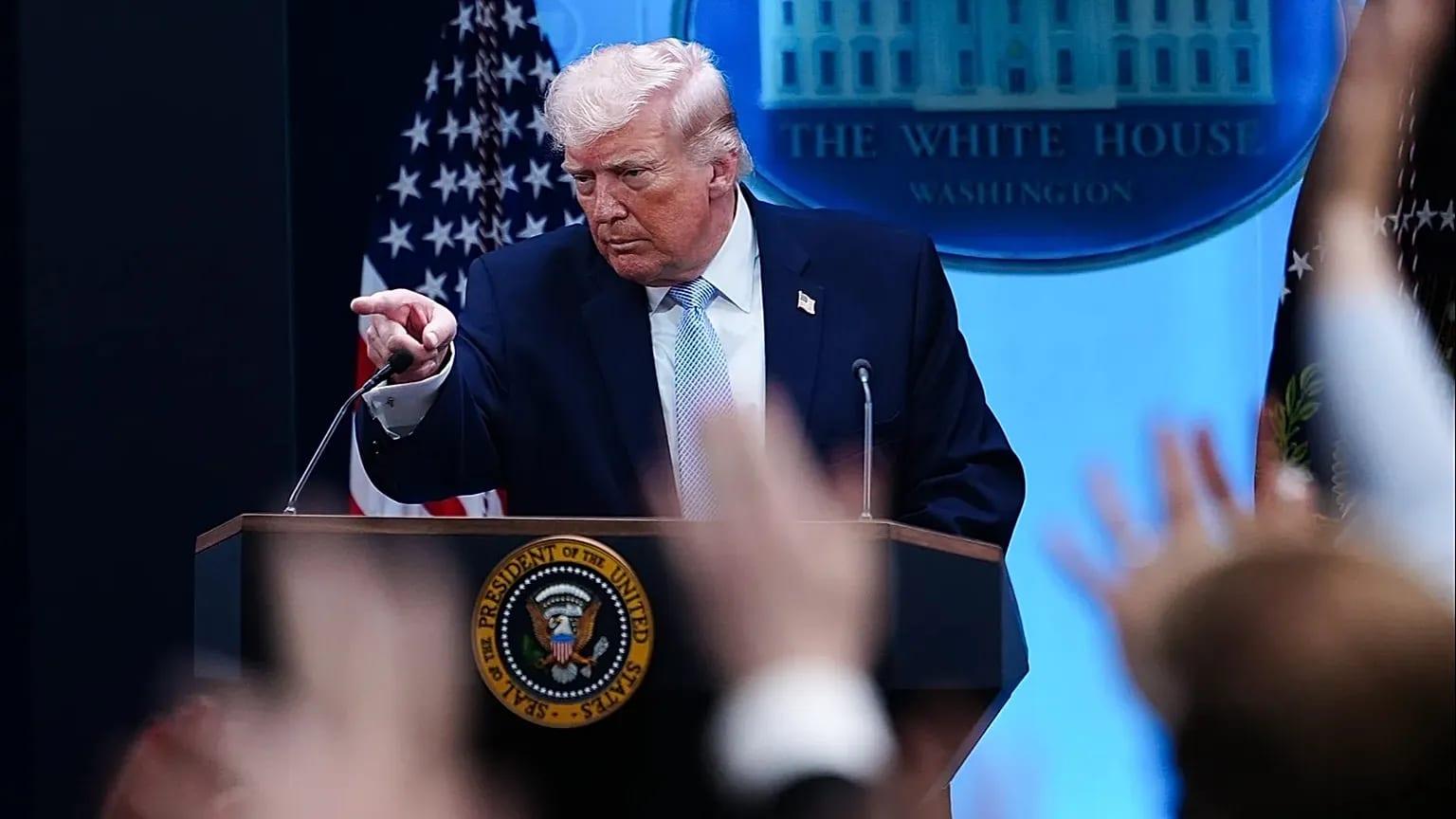
US President Donald Trump has accused NATO member countries of insufficient support during US military operations in Iran. Speaking at a press conference in the Oval Office of the White House on Monday, Trump stated that the US has spent a significant amount of money on NATO, but when the US needs assistance, NATO allies show reluctance. He added that such behavior is unacceptable and that the US may also choose not to provide aid to NATO countries in the future.
Trump's Criticism of NATO
Trump's comments come amid ongoing tensions between the US and Iran. He criticized NATO allies for not providing adequate support during US military operations, despite the substantial financial contributions the US makes to the alliance. Trump's remarks suggest a growing frustration with the perceived lack of commitment from NATO members.
Future of US-NATO Relations
Despite his criticism, Trump is scheduled to attend the upcoming NATO summit in Ankara, Turkey, next month. His participation indicates a continued engagement with the alliance, even as he questions the reliability of its members. The summit will likely address these concerns and seek to reaffirm the commitment of all member states.
Background on US-NATO Relations
The North Atlantic Treaty Organization (NATO) was established in 1949 to provide collective security against the threat posed by the Soviet Union. Today, it consists of 30 member countries, including the United States. The alliance is based on the principle of collective defense, meaning an attack on one member is considered an attack on all. However, recent years have seen tensions within the alliance, particularly regarding defense spending and the role of the US.
Defense Spending and Contributions
One of the key issues in US-NATO relations is the defense spending of member countries. The US has long urged NATO allies to increase their defense budgets to meet the agreed-upon target of spending 2% of GDP on defense. Trump's comments reflect a broader concern about the burden-sharing within the alliance and the need for greater contributions from all members.