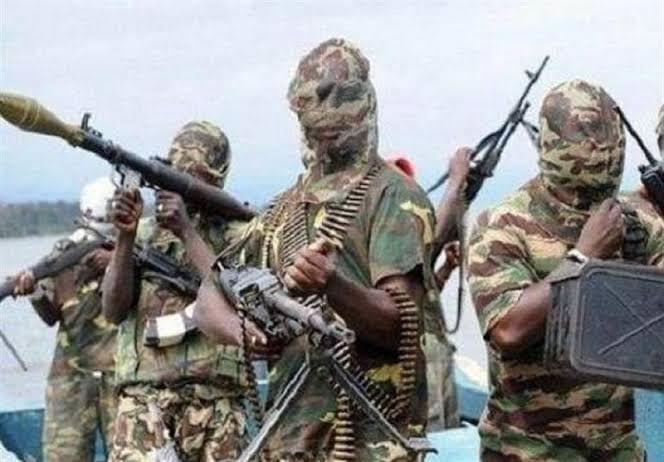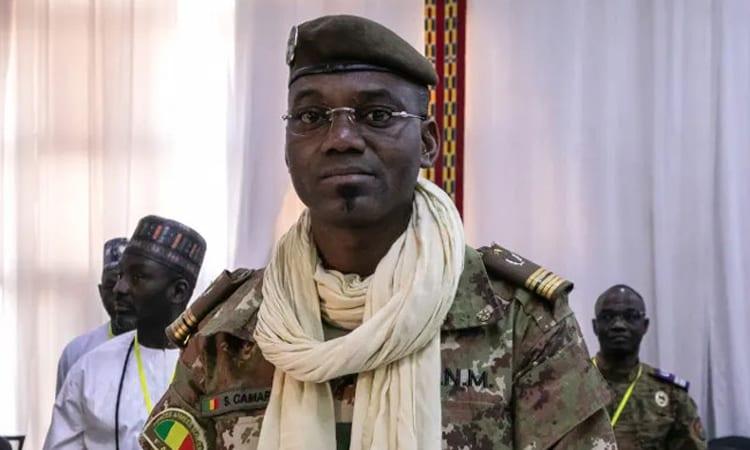
Mali is grappling with a fresh wave of coordinated attacks by jihadists and their Tuareg separatist allies, striking multiple towns and a prison near the capital. This comes just months after a similar assault that significantly weakened the country's military junta.
Background of the Conflict
The recent attacks follow the capture of the strategic northern town of Kidal by Al-Qaeda-linked JNIM jihadists and Tuareg FLA separatists in late April, during which Mali's defence minister was killed. Mali has been in a state of turmoil since coups in 2020 and 2021, with the military junta struggling to restore calm.
Details of the Latest Attacks
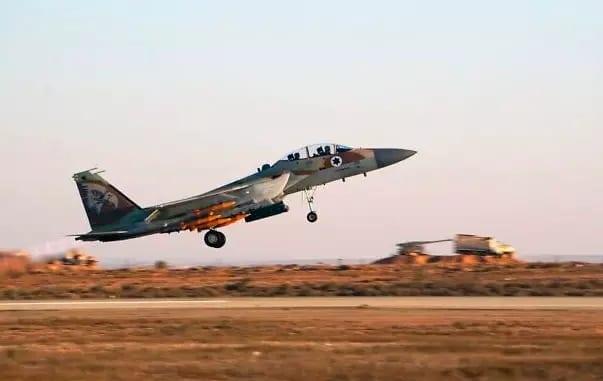
On Saturday, the rebels launched their latest offensive in the northern localities of Gao, Anefis, and Aguelhok, as well as at least three central towns and the Kenieroba prison. The Malian army, supported by the Moscow-controlled Africa Corps, claimed to have repelled these attacks, though reports suggest rebels now control Anefis.
Human Rights Concerns
Human Rights Watch has reported grave abuses against civilians by both the rebels and the Malian army, along with its Russian allies, since the April attacks. The situation in Mali continues to deteriorate, with significant implications for regional stability.
Significance for Bangladesh
The ongoing instability in Mali underscores the broader challenges facing West Africa, with potential spillover effects for neighboring countries. For Bangladesh, this highlights the importance of international cooperation in addressing security crises and the need for diplomatic engagement in conflict resolution.