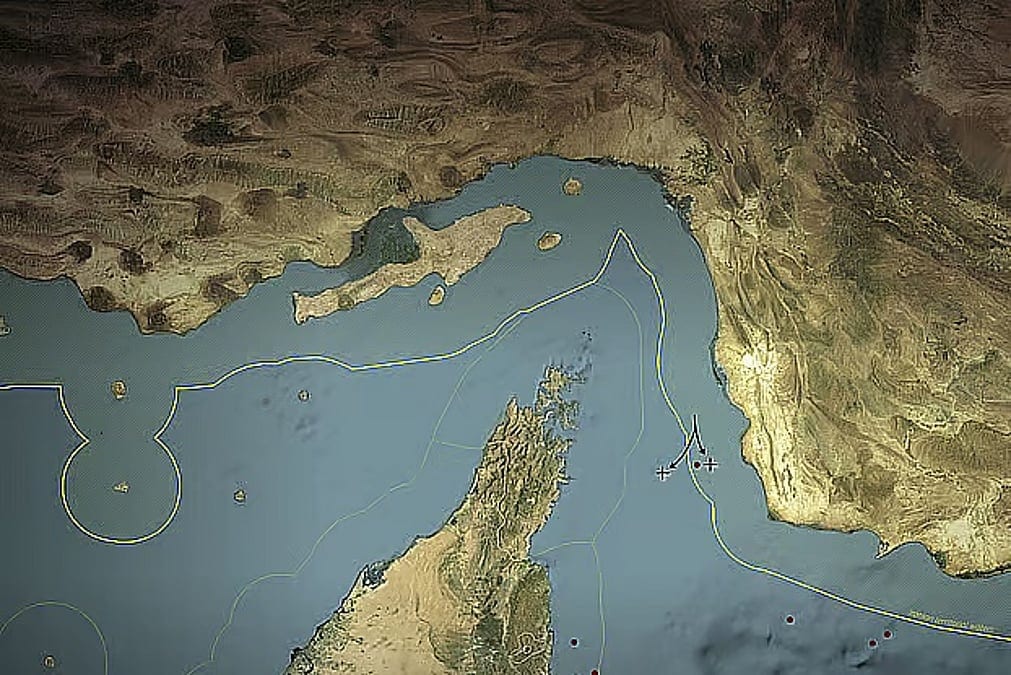
India is planning to develop Great Nicobar Island into a strategic and economic hub, similar to the Strait of Hormuz, to counter China's influence in the region. The Modi government has approved a 110 billion rupee ($1.1 billion) project to build a transshipment port, a civilian-military airport, a power plant, tourism infrastructure, and a township for 350,000 people on the island. The project aims to strengthen India's presence in the Andaman Sea and Southeast Asia, enhance national security, and boost the economic position of the island. However, the plan faces opposition from local residents, environmentalists, and opposition leaders, who argue that it will harm the island's fragile ecosystem and displace indigenous communities.
Strategic Importance of Great Nicobar
Great Nicobar Island, located at the southern tip of India's map, is closer to the coasts of Thailand, Malaysia, and Indonesia than to India's mainland. Its strategic location near the Malacca Strait, a vital maritime route for global trade and energy supplies, makes it a valuable asset for India. The island's development is seen as a way to enhance India's maritime domain awareness and counter China's growing influence in the region.
Challenges and Opposition
The Great Nicobar project faces significant challenges and opposition. Local residents, including indigenous tribes like the Shompen and Nicobarese, have refused to give up their land for the project and have filed lawsuits against it. Environmentalists warn that the project will cause large-scale deforestation, coastal changes, and infrastructure construction, severely damaging the island's rich biodiversity. The island is also located in a high-risk seismic zone, making any large-scale construction project extremely risky.