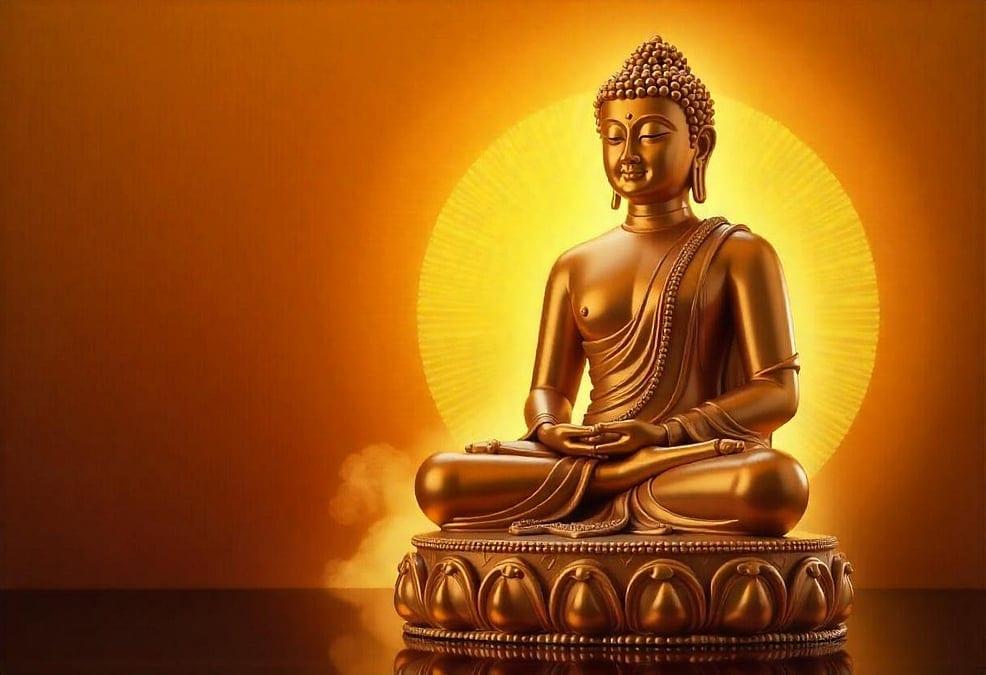
Buddha Purnima, one of the major festivals of the Buddhist community, is celebrated worldwide on the full moon day of the month of Baisakh. This day is especially memorable for three important events in the life of Gautama Buddha—his birth, attainment of enlightenment, and mahaparinirvana. These three historical events occurred on the full moon day of Baisakh, hence the day is known as 'Buddha Purnima'. In Buddhist terminology, the full moon of Baisakh is called Buddha Purnima, which is very sacred and significant for Buddhists.
In 623 BCE, on this auspicious date, Siddhartha Gautama was born in Lumbini, Kapilvastu, to King Shuddhodhana and Queen Mahamaya. After a long period of childlessness, the birth of this child illuminated their lap. His father named him Siddhartha, meaning 'fulfillment of desire'. This Siddhartha later became known worldwide as 'Gautama Buddha'. The word 'Buddha' means the supremely wise one, who realizes the truth of life and propagates his wisdom for the welfare of humanity.
In 588 BCE, at the age of 35, Siddhartha Gautama attained enlightenment on this day of Baisakh Purnima under a Bodhi tree in Bodh Gaya through deep meditation and practice. This event established him as the 'Buddha'. Through his spiritual awakening, Buddhism was introduced. Buddha preached the Middle Way in his teachings, which is a balanced lifestyle between extreme self-denial and excessive indulgence. He described this Middle Way as the Noble Eightfold Path, consisting of eight principles—Right View, Right Intention, Right Speech, Right Action, Right Livelihood, Right Effort, Right Mindfulness, and Right Concentration. This Noble Eightfold Path is the foundation of Buddhism and shows the path to liberation from suffering.
Later, in 543 BCE, at the age of 80, Gautama Buddha attained mahaparinirvana on this Baisakh Purnima in Kushinagar, meaning he renounced his physical body. His mahaparinirvana holds profound significance for Buddhists. Although it marked the end of his physical life, his teachings and philosophy remain eternal. His teachings have spread the message of peace, non-violence, and compassion worldwide.
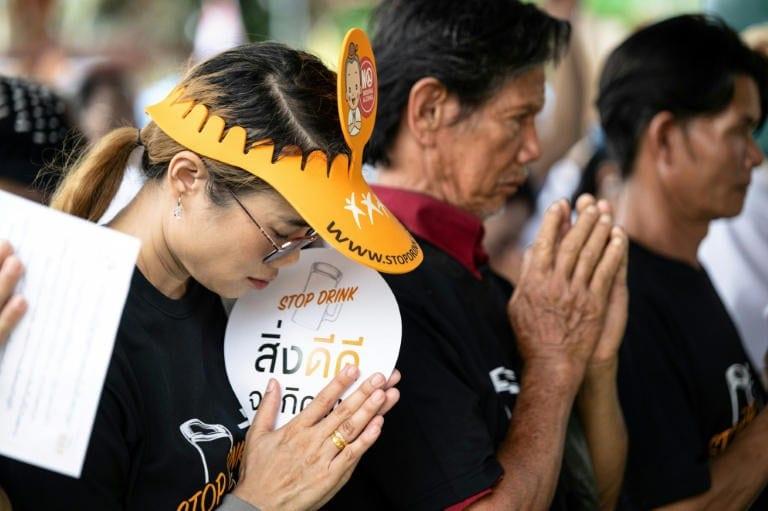
Buddha Purnima is a very sacred day for the Buddhist community. On this day, Buddhists around the world organize various religious, social, and cultural events. In Buddhist monasteries, religious rituals such as puja, observance of the Five Precepts and Eight Precepts, recitation of sutras, listening to sutras, and collective prayers are performed. The Five Precepts are five ethical principles that Buddhists follow in their daily lives—abstaining from killing, stealing, lying, intoxicants, and unchastity. The Eight Precepts are higher ethical principles observed on special days like Buddha Purnima.
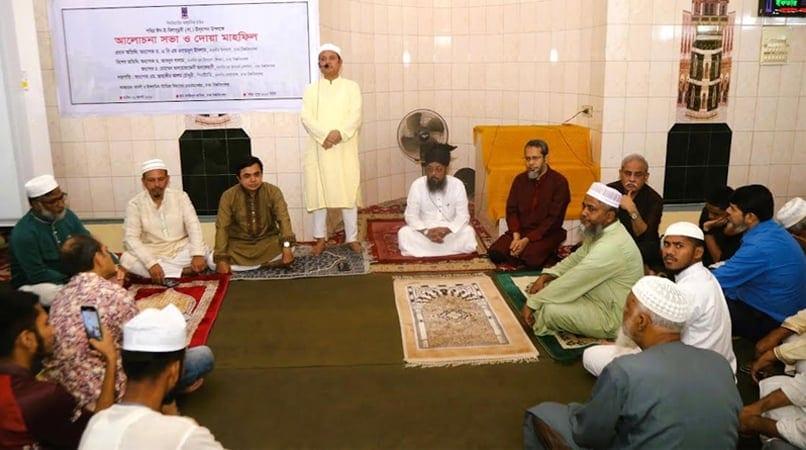
On this day, Buddhist monasteries hold detailed discussion sessions on Buddha's life, his teachings, and the core philosophy of Buddhism. These discussion sessions highlight various aspects of Buddha's life, his sacrifices, practices, and his contributions to human welfare. Many Buddhist monasteries organize three-day events, including hoisting religious flags, lighting decorations, meditation, and charitable activities. Giving is considered a noble act in Buddhism. On this day, Buddhists extend their sympathy and support to the poor and helpless in society.
Buddha Purnima is not just a religious festival; it is a day to remember Buddha's message of peace and non-violence. On this day, Buddhists pledge to shape their lives in the light of Buddha's teachings. Buddha's teachings, such as the Four Noble Truths and the Noble Eightfold Path, show the path to liberation from suffering. In the Four Noble Truths, Buddha explained that there is suffering in life, there is a cause of suffering, there is liberation from suffering, and there is a path to liberation. These teachings are the core guidance for Buddhists.
The festival of Buddha Purnima is also significant from a social and cultural perspective. Buddhist communities in various countries organize colorful processions, bathing of Buddha statues, and community-based food distribution on this day. In countries like Sri Lanka, Thailand, Myanmar, and India, this festival is celebrated on a large scale. In Bangladesh, especially in Chittagong, Cox's Bazar, Rangamati, Khagrachhari, and Bandarban, the Buddhist community celebrates this festival with enthusiasm. Special prayers, religious discussions, and community-based activities are organized in Buddhist monasteries.
In Bangladesh, Buddha Purnima is celebrated as a public holiday, providing the Buddhist community with the opportunity to perform their religious rituals. Buddhist monasteries are decorated with lights, religious flags are hoisted, and collective prayers create a spiritual environment. On this day, Buddhists revive Buddha's message of peace and non-violence and pledge to shape their lives in the light of his teachings.
Buddha Purnima strengthens the bond of unity and brotherhood among the Buddhist community worldwide. This festival not only holds religious significance but also has a profound impact on social and cultural life. Buddha's teachings, based on peace, compassion, and non-violence, remain relevant and inspiring for humanity today. Through this festival, Buddhists enrich their religious identity and spiritual life and spread the message of peace and harmony in the world.