US naval blockade has reduced Iran's crude oil exports to the lowest level in six years. Despite a ceasefire, the blockade continues to constrict Iran's largest source of income.
The blockade, initiated by Washington on April 13, aims to pressure Iran into complying with ceasefire terms. Tehran views this action as illegal and labels ship seizures near its ports as 'piracy'.
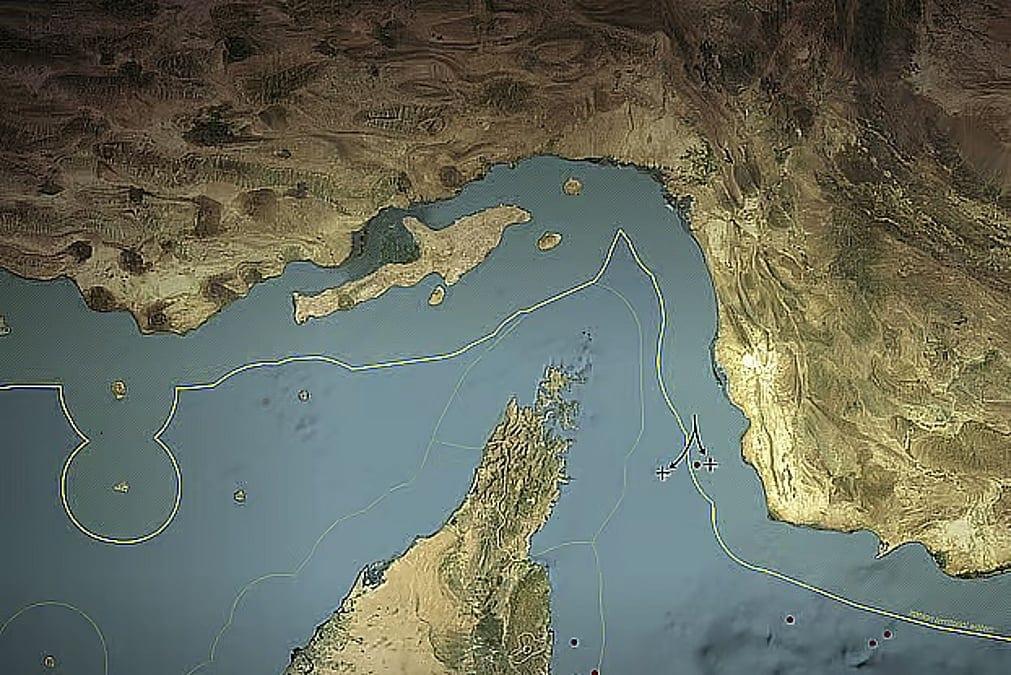
Previously, on February 28, Iran closed the Strait of Hormuz to most ships following attacks by the US and Israel. This strait, a narrow waterway connecting the Persian Gulf to the open sea, typically carries about 20% of the world's oil and gas supply.
The blockade has significantly impacted Iran's economy, raising questions about how long the country can sustain the conflict. According to trade data firm Kpler, Iran's crude oil and condensate exports fell from about 2 million barrels per day to below 300,000 barrels per day in May.
Iran's oil exports to China, its largest buyer, have notably decreased. Analysts suggest that the blockade is creating substantial financial pressure on Iran's economy.
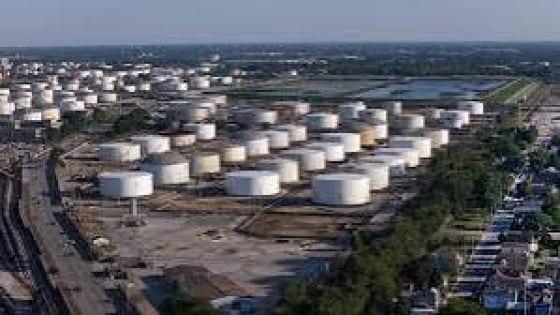
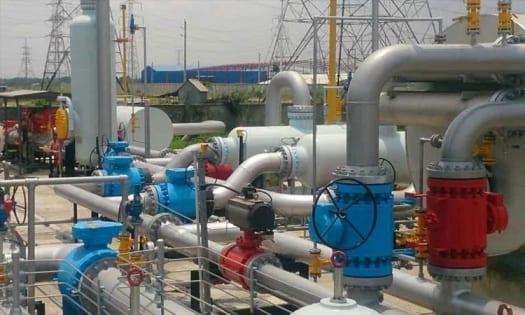
Iran is still producing oil but is forced to store unsold oil. According to energy policy researcher Mark Ayub, Iran is strategically using its remaining storage capacity. The real pressure will be felt when this capacity is exhausted.
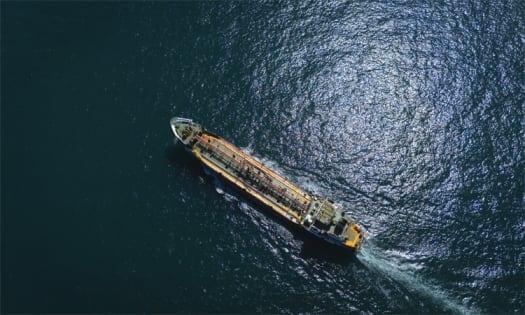
A significant portion of this stored oil is held in floating tankers. Kpler data indicates that approximately 147 million barrels of Iranian crude oil and condensate are currently in floating storage, with about 67 million barrels trapped in the Persian Gulf and the Gulf of Oman, unable to bypass the US blockade.
Despite the blockade, Iran has managed to export around 300,000 barrels of oil per day by circumventing the US blockade. Mark Ayub notes that while the blockade's immediate impact is not on production but on the cash flow from oil sales, especially to major buyers like China, the long-term effects could be more severe.
Iran and China have been working to reduce their reliance on narrow maritime routes like the Strait of Hormuz and the Malacca Strait by developing land-based trade routes. However, analysts believe that rail transport is unlikely to be an effective alternative for Iran's oil exports due to significant logistical challenges.
The ultimate question, according to Mark Ayub, is how long each side can endure the economic pressure. Reduced oil revenue could gradually impair Iran's military spending and war economy. The ongoing stalemate in the Strait of Hormuz is also disrupting normal exports from other major Gulf producers, driving up global energy prices and adding pressure to the global economy, including the US.
Mark Ayub concludes, 'The pressure is now being felt in Iran. The question is whether the US can sustain a broad range of economic pressures for an extended period to achieve its desired outcome. Ultimately, the key issue is who will control the Strait of Hormuz. Either Iran will somehow maintain its influence there, or this conflict could drag on for several more months.'