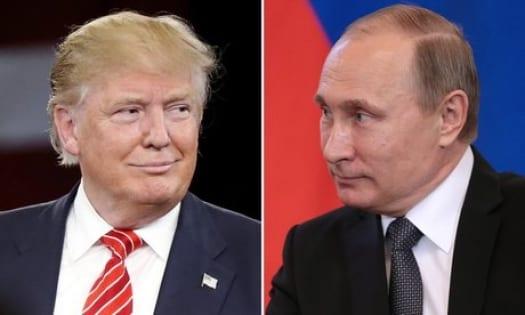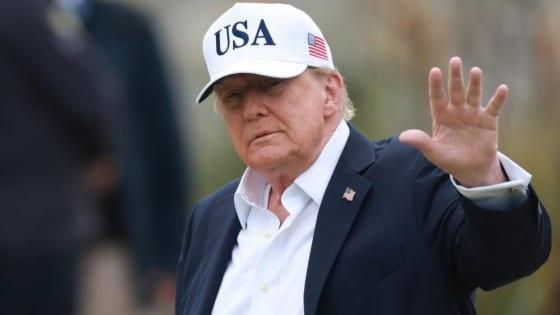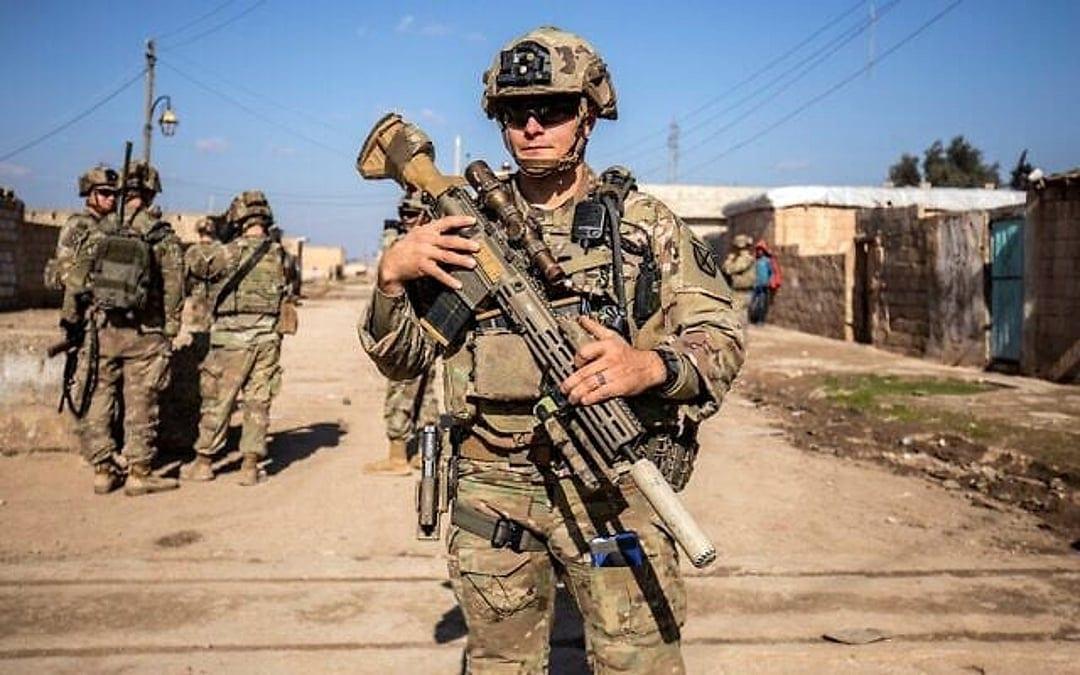
US military personnel stationed in the Middle East are experiencing an unstable period as the region remains in a state of neither full-scale war nor peace. Following President Donald Trump's directive to attack Iran, which occurred 14 weeks ago, US forces are adapting to an unusual conflict scenario. The US Navy has blockaded various Iranian ports, leading to frequent exchanges of gunfire between Iranian forces and US troops. The Pentagon is urgently increasing ammunition and weaponry stockpiles, while the families of deployed soldiers face extreme uncertainty and stress due to extended deployment periods.
In April, Trump declared a ceasefire with Iran, but the conflict has since entered a prolonged stalemate. Iran has nearly halted ship traffic through the strategically vital Strait of Hormuz, prompting Trump to issue retaliatory threats, including the possibility of renewed full-scale bombing if peace talks fail. This has necessitated US forces to remain on high alert, ensuring sufficient missile and interceptor stockpiles, continuous intelligence gathering via drones and satellites, and maintaining updated target lists within Iran.
Former US Central Command Commander Joseph Votel described the current situation as 'an extremely dangerous time for us,' emphasizing the challenge of keeping troops combat-ready amidst a ceasefire. Pentagon spokesperson Sean Parnell expressed pride in the military's resilience and professionalism, highlighting their unwavering courage and preparedness. However, the prolonged conflict has taken a toll on injured US soldiers, such as 37-year-old Sergeant Cory Hicks, who suffered severe injuries from an Iranian drone attack, including a traumatic brain injury.
Approximately 400 US soldiers have been injured in the conflict, with many suffering severe head injuries similar to Hicks'. Despite this, over 90% of injured personnel have returned to duty. The conflict has also resulted in the deaths of 13 US service members. The uncertainty surrounding the situation has caused significant anxiety among the families of deployed soldiers, especially as Iranian state media frequently claims attacks on US ships and aircraft. The ongoing conflict has also impacted President Trump's popularity, with a May Reuters/Ipsos poll showing that only one in four respondents believed the military campaign in Iran was worthwhile.
The US and Iran are currently attempting to negotiate the reopening of the Strait of Hormuz, though any agreement is likely to merely extend the ceasefire rather than resolve underlying issues such as Iran's nuclear program. The prolonged conflict has strained US military capabilities, particularly in terms of ammunition stockpiles. US Defense Secretary Pete Hegseth noted that it could take several years to replenish missile and interceptor stockpiles. Tom Karako, Director of the Missile Defense Project at the Center for Strategic and International Studies, highlighted the significant costs and strain associated with warfare.