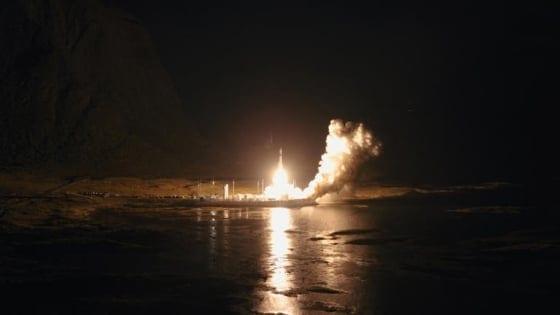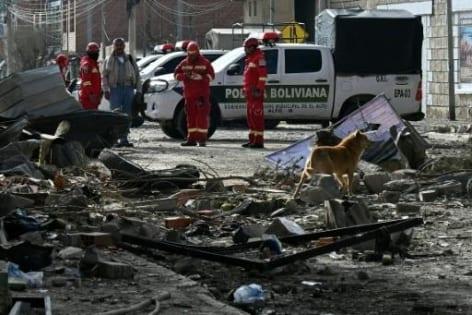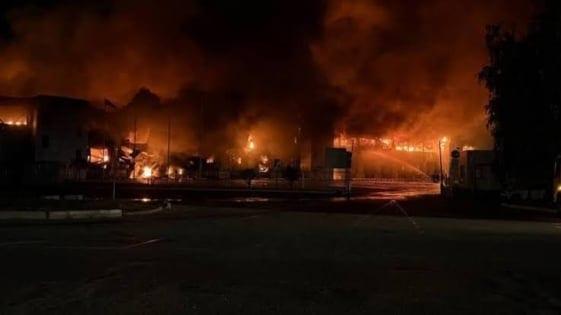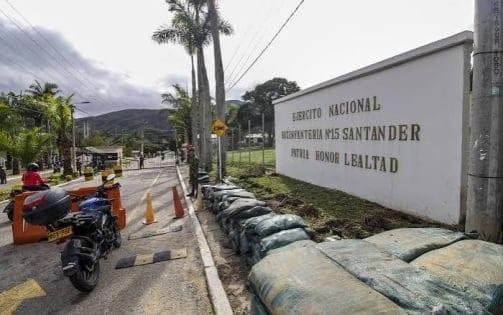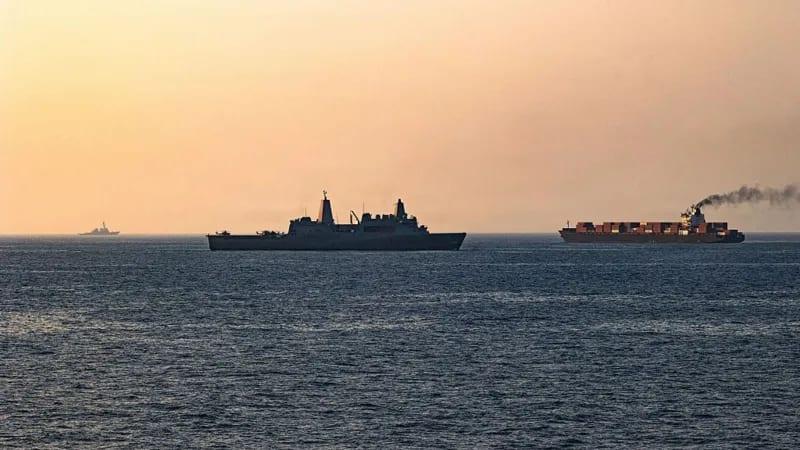
The United States military launched retaliatory strikes on Iran on Thursday, following attacks by Tehran on US bases in Jordan. The strikes mark a significant escalation in the ongoing Middle East conflict and dash hopes for a return to negotiations.
US Central Command described the strikes as a 'powerful response' to Iran's attempted attacks on US forces in the region. This comes after a nearly week-long lull in fighting.
Saudi Arabia and the United States also announced strikes on militant bases in Iraq, while US ally Israel accused Iran-backed Hezbollah of a truce violation. Saudi Arabia has reported drone attacks on its crude facilities, which it blames on Iraqi armed groups allied with Tehran.
Iran launched missiles at US ally Jordan, with Iranian state media reporting an American attack near the Islamic republic's border with Iraq. Jordan's army intercepted five Iranian missiles, while Iran's Revolutionary Guards claimed to have targeted US bases.
The strikes follow growing US pressure on Iraq to disarm pro-Iran groups. The US had hoped the days-long cessation in fighting would kickstart a new round of negotiations, including over the Strait of Hormuz, which Iran has blockaded throughout much of the war.
The recent escalation in tensions has significant implications for global oil markets and regional stability. The closure of the Strait of Hormuz has increased the importance of the Red Sea as an alternative export route for Saudi Arabia.