At least 20 people have been killed and more than 100 remain missing following severe flooding in Afghanistan's Nuristan province, officials said. The floods, which hit the province on Monday, have caused significant damage, particularly in Parun, the provincial capital.
Flood Devastation
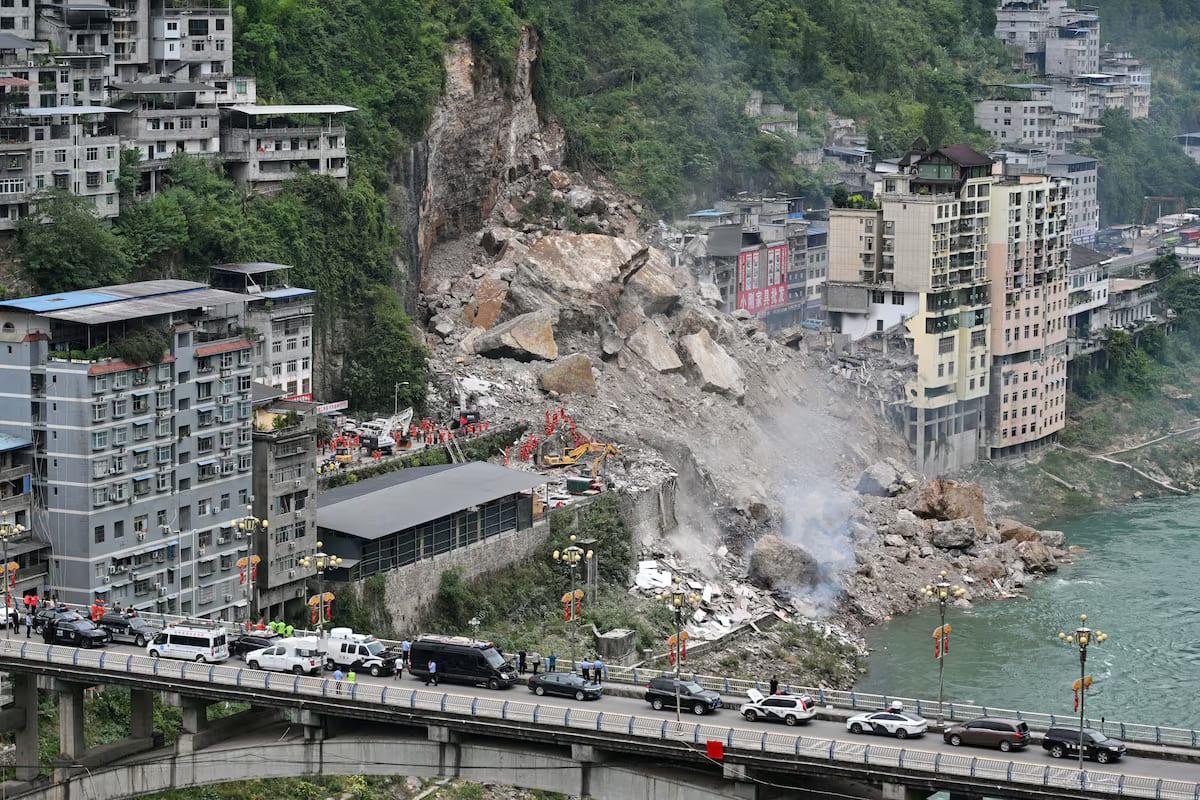
In Parun, where riverside shops once stood, only mud remains. Residents are desperately searching for loved ones, including the town's mayor, who is among the missing. The Afghanistan National Disaster Management Authority (ANDMA) reported that 20 bodies have been recovered so far, with more than 80 people injured.
Search and Rescue
Government employees, including the mayor, are among those missing in the town. Feraidon Samim, spokesman for the Nuristan governor, confirmed that nine dead bodies had been recovered. Both he and ANDMA stated that more than 100 people remain unaccounted for.
Widespread Destruction
The floodwaters have left a trail of destruction, with buildings, shops, and hotels completely destroyed. Ashiqullah Safi, head of an NGO in the town, described the devastation, noting that residents are searching the area without proper equipment after floodwaters left large boulders in their path.
Climate Vulnerability
Afghanistan is particularly vulnerable to climate change, with flooding incidents increasing. Mawlavi Mati-ul-Haq Khalis, head of the country's environmental protection agency, highlighted that environmental problems have severely affected the Afghan people and contributed to a humanitarian crisis. In April, around 150 people were killed in flooding, and at least 24 died in May.
Why This Matters for Bangladesh
Bangladesh, like Afghanistan, is highly vulnerable to climate change and natural disasters. The flooding in Nuristan underscores the urgent need for improved disaster preparedness and response mechanisms in both countries. Enhanced cooperation and resource allocation are essential to mitigate the impacts of such events.