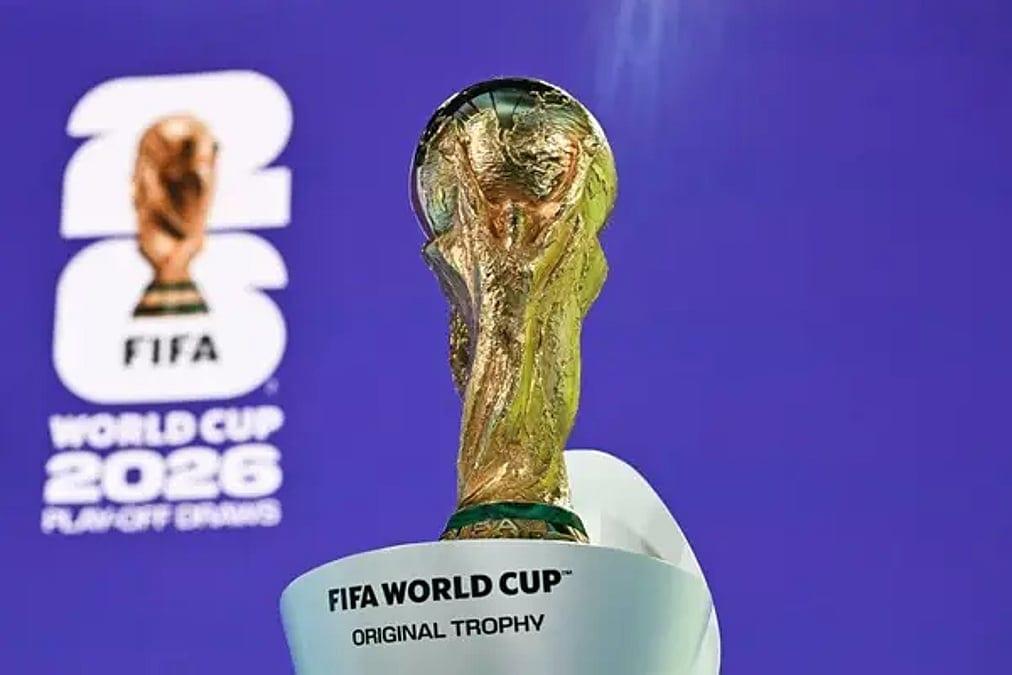
Predicting the winner of the World Cup is a question that defies easy answers. The unpredictability of the tournament, coupled with the myriad of factors that influence the outcome, makes any attempt at forecasting the champion a challenging endeavor. Renowned physicist Niels Bohr famously remarked that prediction is difficult, especially about the future. This sentiment rings true for the World Cup, where past performances, current form, and unforeseen events all play a role in determining the eventual victor.
Historically, some nations have come tantalizingly close to lifting the trophy without ever succeeding. The Netherlands, for instance, have reached the final three times but have never won the World Cup. Similarly, Hungary and Czechoslovakia (now the Czech Republic) have each reached the final twice without claiming victory. These nations take pride in their near-misses, much like a destitute aristocrat reminiscing about past glories.
The allure of predicting the World Cup winner is undeniable. From economists to scientists, and even animals like the octopus Paul, everyone seems to have a stake in forecasting the champion. However, the inherent unpredictability of the tournament means that even the most well-informed predictions can go awry. The 2022 World Cup in Qatar saw unexpected outcomes, with Argentina triumphing over France in a thrilling final.
As the 2026 World Cup approaches, speculation about potential winners abounds. Will Lionel Messi and Cristiano Ronaldo, both of whom have graced six World Cups, add another chapter to their storied careers? Or will a new nation emerge to claim the coveted trophy? The beauty of the World Cup lies in its ability to surprise and captivate, making it a truly global spectacle.