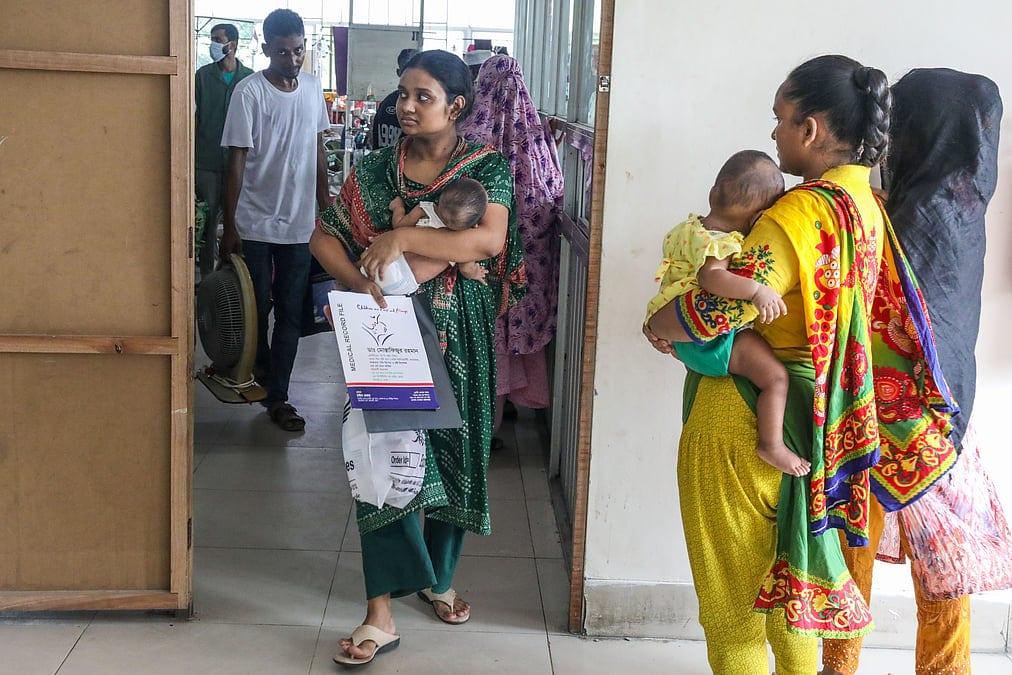
Measles itself is not a complex infection, but the measles virus weakens the patient's immune system. It renders children's immune systems ineffective for a period, allowing various germs to enter the body. Measles also depletes the body's vitamin A reserves. The primary cause of child mortality is subsequent infections, particularly pneumonia.
Vitamin A deficiency leads to reduced eye moisture, night blindness, corneal opacity, and blindness. It also causes diarrhea, dehydration, and reduced urination. Children under five, especially newborns, and those with compromised immune systems are particularly vulnerable. Long-term use of chemotherapy or steroid medications further increases the risk of complications, sometimes leading to fatal outcomes. Pneumonia is one of the most common and severe complications. When a child with measles develops pneumonia, their life is at risk.
A child with measles may exhibit a runny nose and mild cough. If they experience difficulty breathing, caution is necessary. Parents should observe if the child's chest movement is more rapid than usual and if their lower chest caves in while breathing. If a pulse oximeter (if available) shows oxygen levels below 90, it indicates pneumonia. In such cases, the child should be taken to the hospital immediately. The doctor will assess the situation and provide necessary treatment, including oxygen and medication. Proper nutrition, continued breastfeeding, isolation, cleanliness, and vitamin A supplementation are crucial during measles recovery.