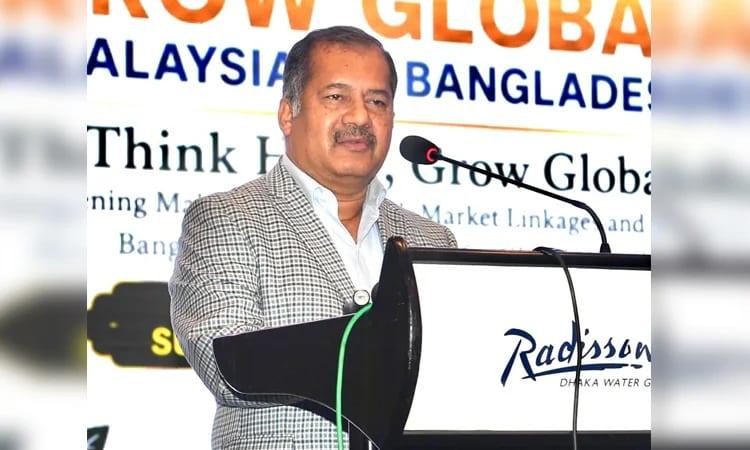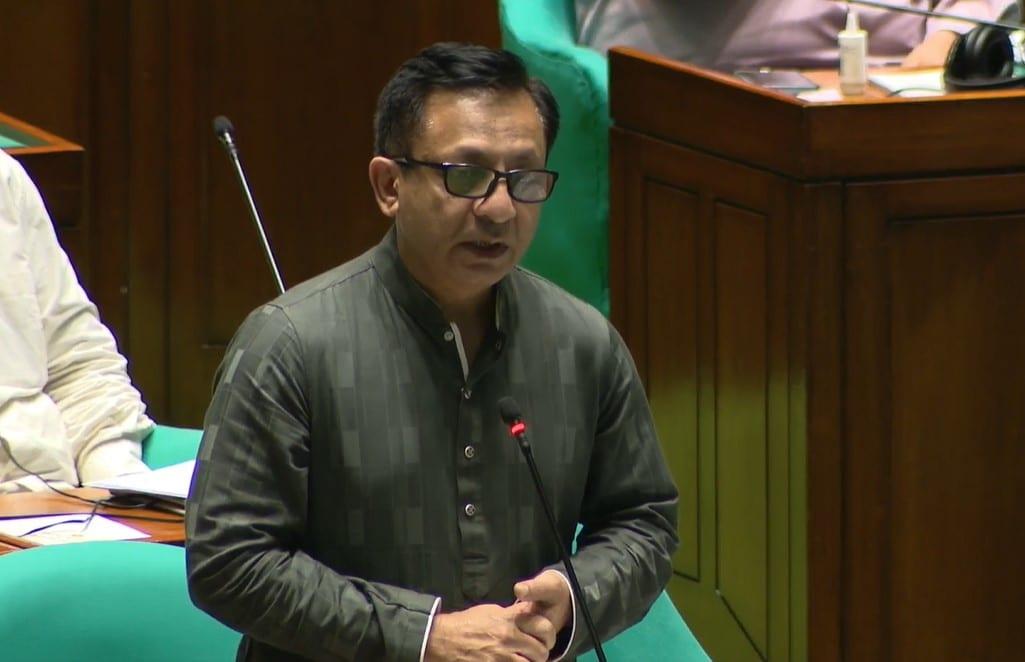
Industries Minister Khandakar Abdul Muktadir announced today that the government is set to adopt a comprehensive roadmap by July 2026 to revitalise the country's leather sector. The goal is to increase annual export earnings from the current level to between US$10 billion and US$12 billion. Speaking in the Jatiya Sangsad (JS), the minister revealed the plan in response to a starred question from opposition lawmaker Md Rafiqul Islam Khan.
Modernisation and Environmental Compliance
The roadmap includes a series of modern technical and administrative measures aimed at transforming the leather sector into an environmentally compliant and globally competitive industry. A key focus is the Central Effluent Treatment Plant (CETP) at the BSCIC Leather Industrial Estate in Savar. An Italian firm, Italprogetti, has completed a technical assessment of the CETP. The government plans to urgently increase its treatment capacity to 25,000 cubic metres, with further expansions to 40,000 and eventually 50,000 cubic metres.
Effluent Treatment Plants and Circular Economy
To reduce pressure on the central treatment facility, six tanneries have been allowed to install their own Effluent Treatment Plants (ETPs), of which two are already operational. Another 20 to 25 large tanneries have been requested to establish their own ETPs. The government is also implementing a circular economy approach by converting tannery waste into valuable industrial products. Initiatives include producing industrial protein powder from chrome shaving dust, tallow and organic fertiliser from fleshing waste, and gelatin from raw cutting waste.
Financial Incentives and International Standards
The government is taking measures to facilitate bank financing and cash incentives for leather entrepreneurs. Regular awareness programmes, meetings, seminars, workshops, and capacity-building training are being organised with tannery owners and other stakeholders to help the industry achieve international standards and obtain certification from the Leather Working Group (LWG).
Significance and Future Outlook
The adoption of this roadmap is expected to make Bangladesh's leather industry more competitive in the global market and environmentally sustainable. The leather sector is the country's second-largest export sector, and increasing its export earnings will have a significant positive impact on the national economy.