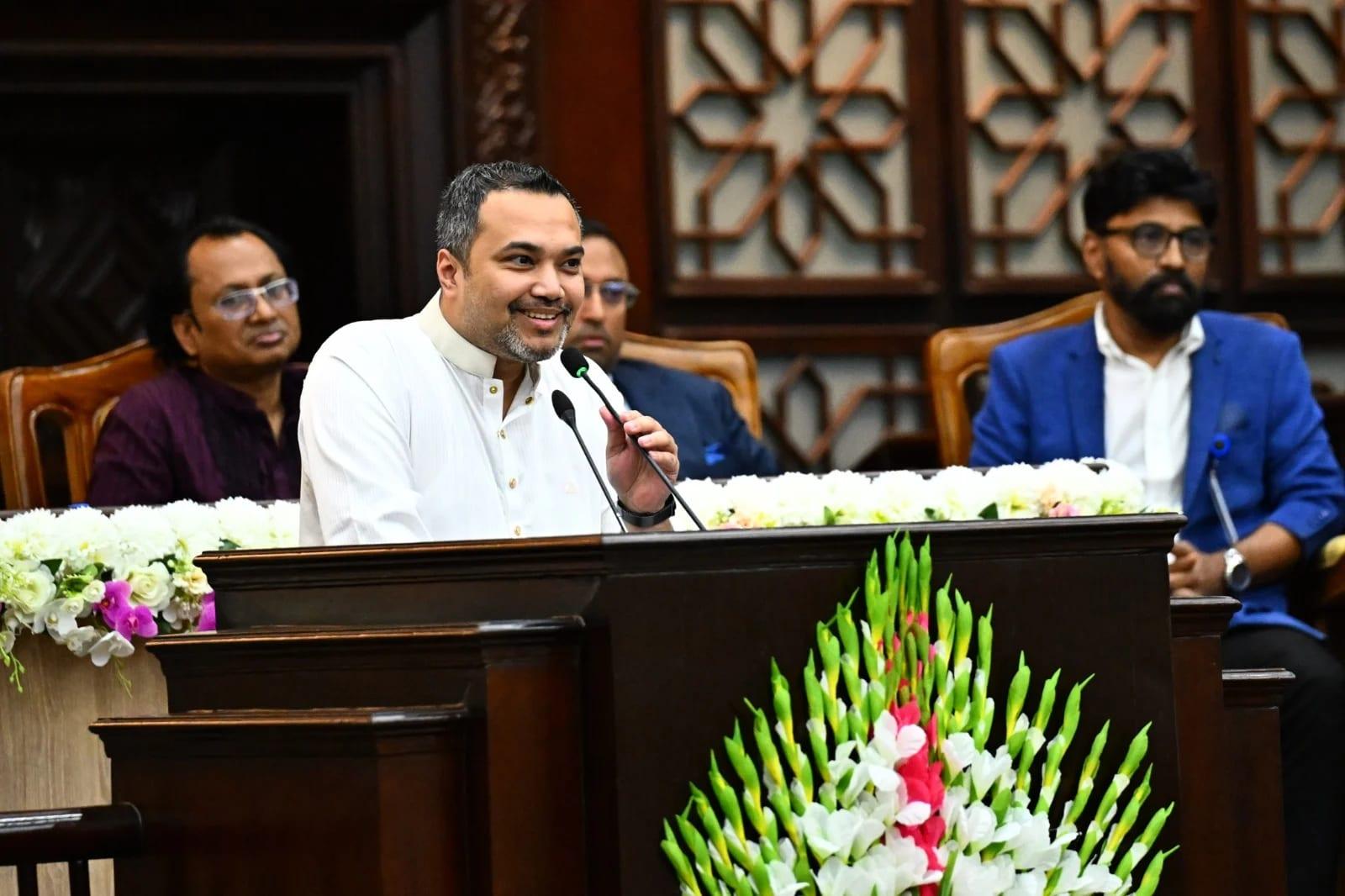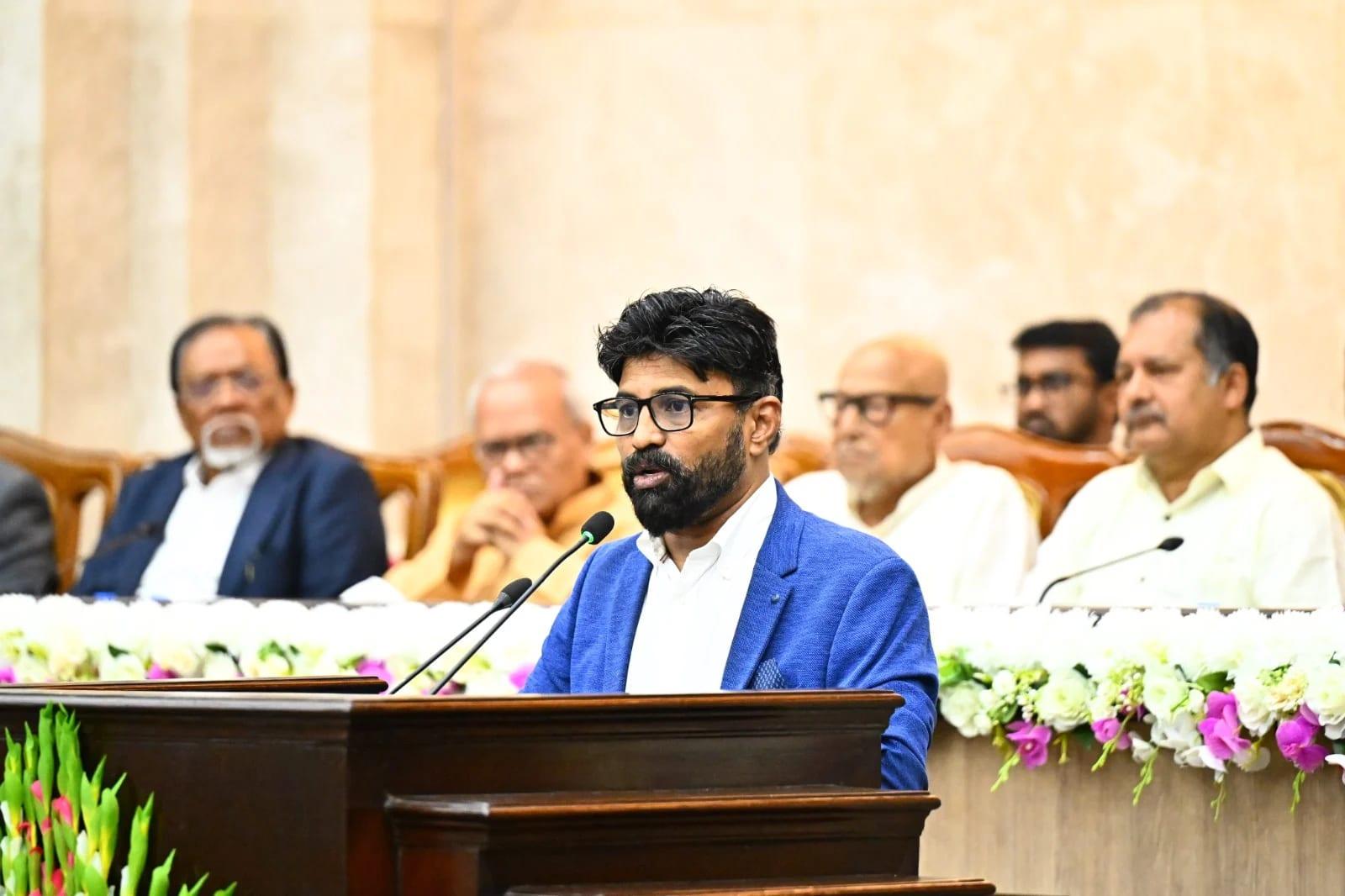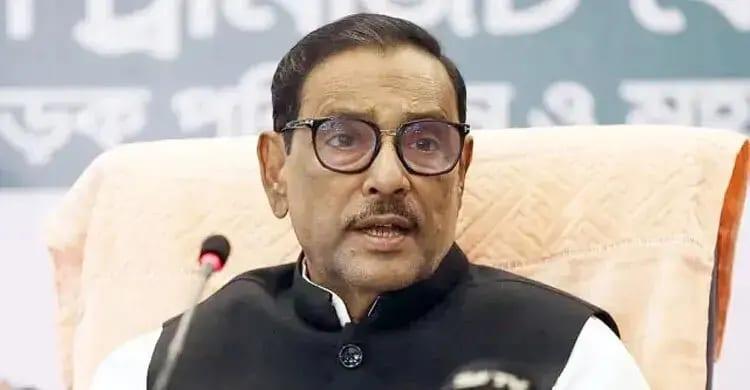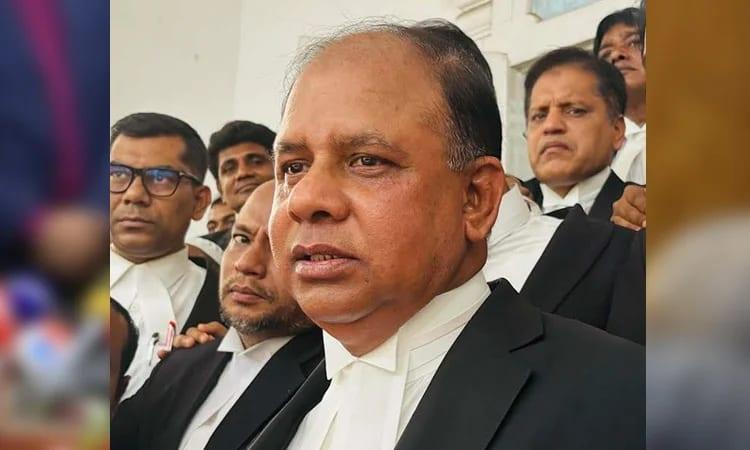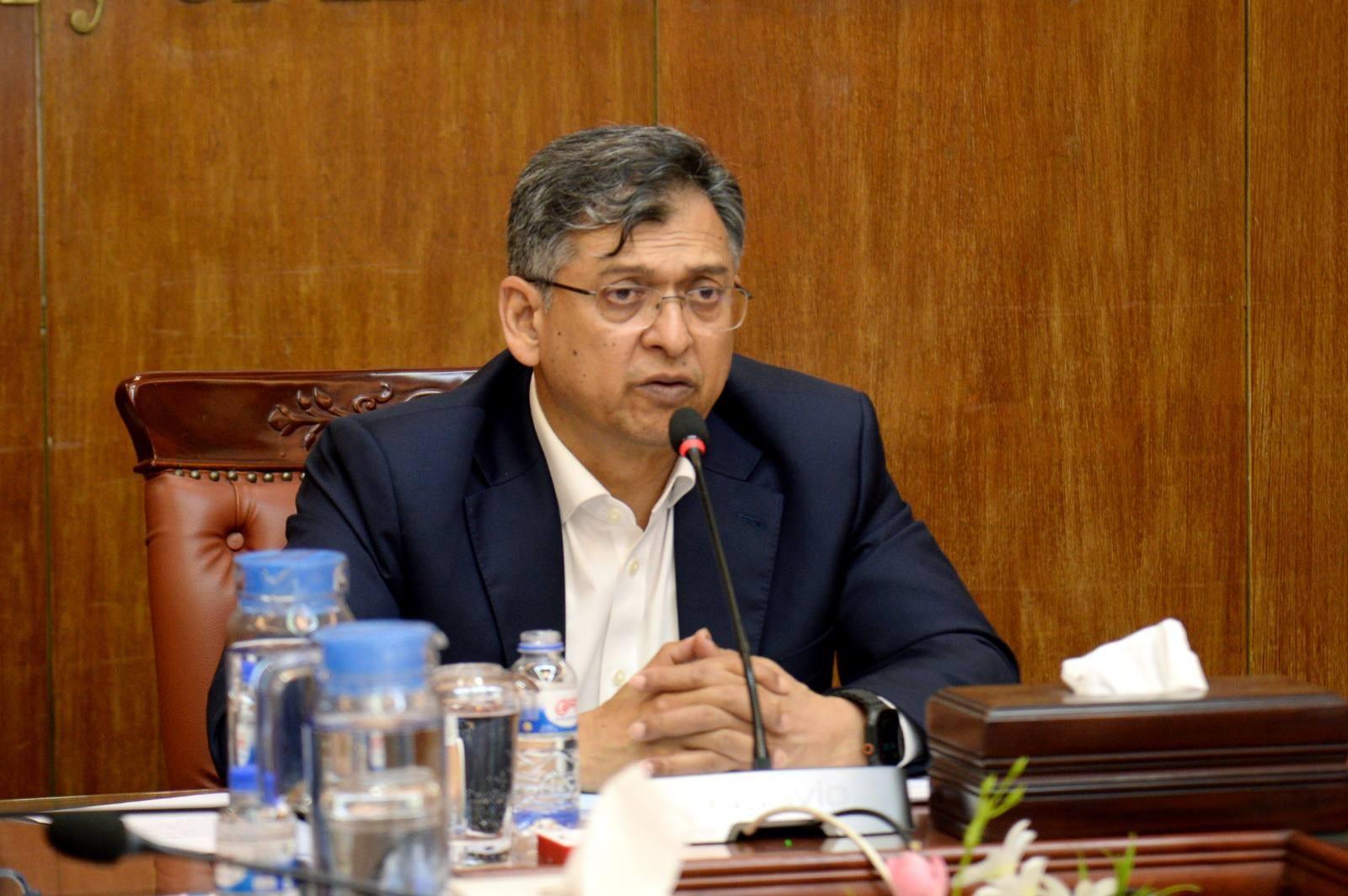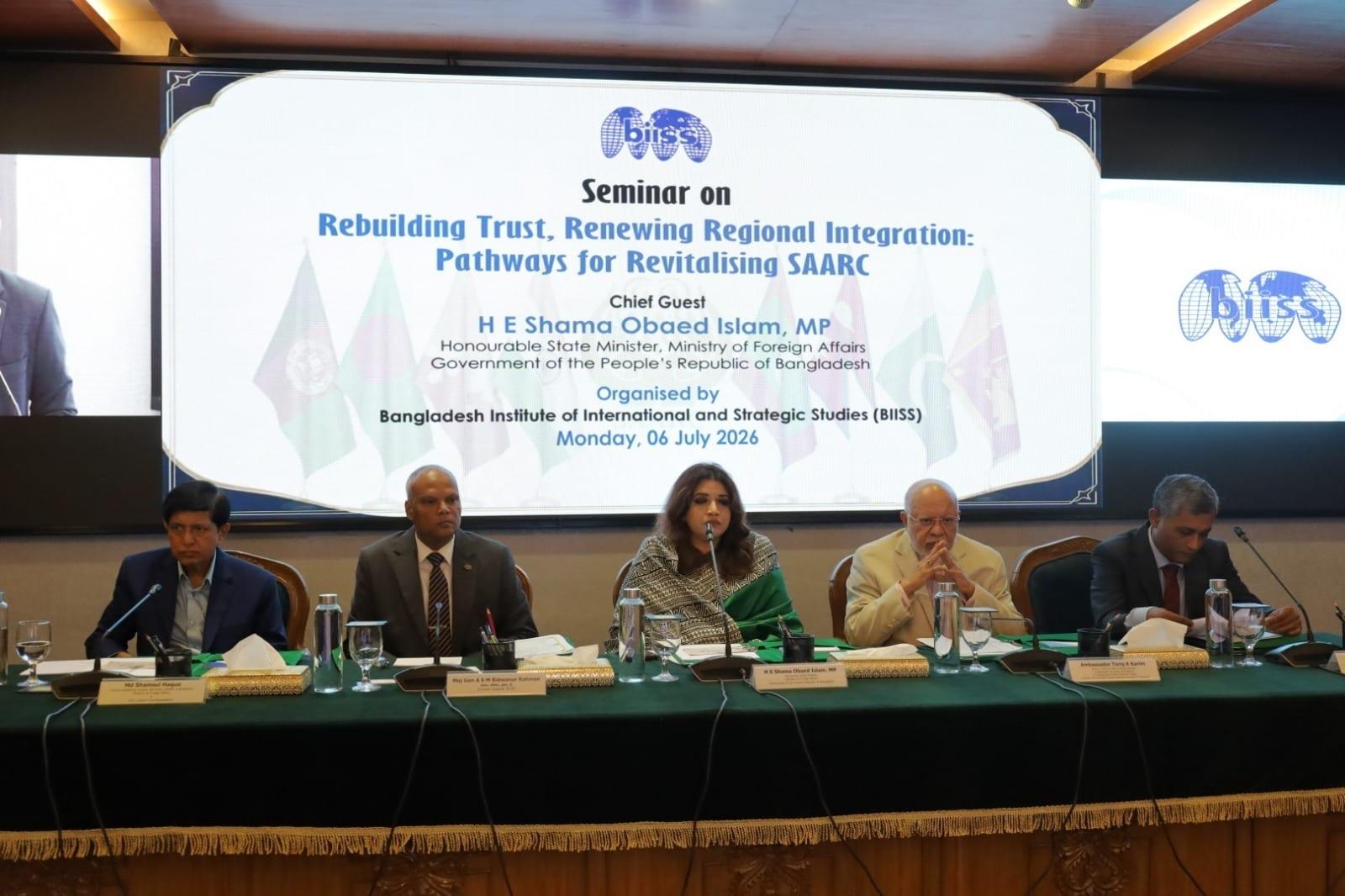
State Minister for Foreign Affairs Shama Obaed Islam today called for actionable goals to revitalise the South Asian Association for Regional Cooperation (SAARC), asserting that the regional organisation remains strategically important for Bangladesh under the 'Bangladesh First' foreign policy.
Historical Significance and Future Aspirations
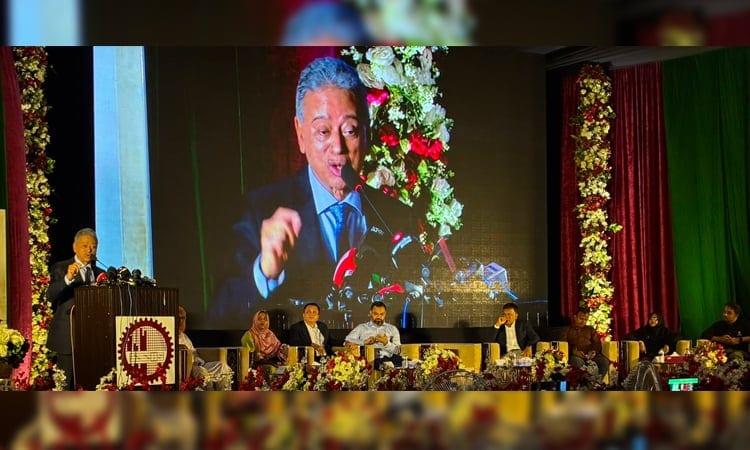
Speaking as the chief guest at a seminar titled 'Rebuilding Trust, Renewing Regional Integration: Pathways for Revitalising SAARC' at the Bangladesh Institute of International and Strategic Studies (BIISS) auditorium, the state minister highlighted that SAARC carries unique historical significance for Bangladesh. It is the diplomatic legacy of late President Shaheed Ziaur Rahman, whose vision helped place South Asian regional cooperation on the formal international agenda.
Guiding Principle of 'Bangladesh First'
Shama Obaed elaborated on the government's foreign policy priorities, stating that the guiding principle of 'Bangladesh First' includes building a neighbourhood that supports Bangladesh's security, trade, climate resilience, food security, connectivity and global standing. She reaffirmed Bangladesh's unwavering commitment to regional cooperation, noting that South Asia possesses enormous potential but remains one of the least integrated regions due to political fragmentation and weak economic integration.
Challenges and Pragmatic Approach
The state minister acknowledged the serious difficulties SAARC has faced, including a stalled summit process, weak political trust and insufficient regional integration. However, she maintained that the organisation remains institutionally relevant. She advocated for a pragmatic, step-by-step approach to revitalise SAARC, allowing it to function at an 'optimal functional level' until the regional political environment becomes conducive to restoring summit-level activities.
Strengthening SAARC Development Fund
Shama Obaed emphasised the need to strengthen the SAARC Development Fund (SDF) by enhancing its governance, leadership and operational capacity to finance impactful regional projects. She also stressed that SAARC must remain insulated from bilateral political disputes, adhering to the principle that the SAARC Charter prohibits the discussion of contentious bilateral issues within the organisation.
Complementary Regional Architecture
On regional architecture, the state minister said Bangladesh does not see SAARC and BIMSTEC as competing organisations. Instead, she suggested that these platforms should complement each other, with sub-regional initiatives serving as building blocks for broader regional cooperation. She expressed optimism about SAARC's future and mentioned that Bangladesh is considering a calibrated package of confidence-building initiatives in consultation with member states.