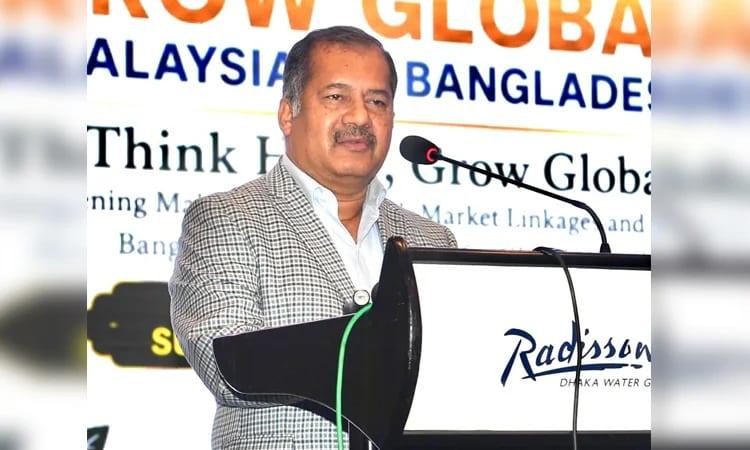
Commerce and Industry Minister Khandaker Abdul Muktadir announced that the government aims to earn over US$10 billion annually from the export of leather and leather goods. Speaking in the Jatiya Sangsad, Muktadir highlighted the potential of the sector, noting that Bangladesh currently utilizes only 0.26% of its leather potential. He emphasized that production and exports could increase by 12 to 14 times if existing constraints are addressed.
Current Challenges and Future Plans
Muktadir pointed out that the leather industry faces significant challenges, particularly in meeting international compliance standards. He noted that the relocation of tanneries from Hazaribagh to Savar has not been fully completed due to inadequate environmental infrastructure. Additionally, the Central Effluent Treatment Plant (CETP) at the Savar Tannery Industrial Estate is not functioning at full capacity, refining only 14,000 cubic feet of water compared to its 25,000 cubic feet capacity.
Compliance and Certification Issues
The minister stressed the importance of compliance with international standards, particularly the Leather Working Group (LWG) certification, which is mandatory for exporting leather to major global brands in the US and the EU. Without this certification, Bangladeshi tanneries struggle to export to reputable international brands. Muktadir announced plans to provide financial and technical support to local tanneries and make the installation of Effluent Treatment Plants (ETP) mandatory.
Declining Export Trajectory
The leather export trajectory in Bangladesh has been on a downward trend. Exports peaked at $400 million in FY15 but have since declined to $128 million in FY25. In the first nine months of FY26, leather exports stood at just $97 million. Muktadir's announcement aims to reverse this trend by addressing the sector's challenges and enhancing its global competitiveness.
Significance and Implications
The success of this initiative is crucial for Bangladesh's economy, as the leather industry is the second-largest export earner. Achieving the $10 billion target would significantly boost the country's export earnings and create numerous job opportunities. It would also enhance Bangladesh's reputation in the global leather market, attracting more foreign investment and partnerships.