Bangladesh received US$696 million in workers' remittances during the first six days of July, marking a 62.8 percent increase compared to the US$427 million received during the same period a year earlier. This robust growth indicates a strong start to the 2026-27 fiscal year. On July 6 alone, expatriate Bangladeshis sent US$129 million in remittances, highlighting the continued strong flow of inward remittances.
Economic Impact and Significance
The significant increase in remittances is expected to have a positive impact on the country's foreign exchange reserves, contributing to macroeconomic stability. Remittances play a crucial role in supporting the economy by providing a steady inflow of foreign currency, which helps in maintaining the balance of payments and stabilizing the exchange rate.
Continued Strong Flow
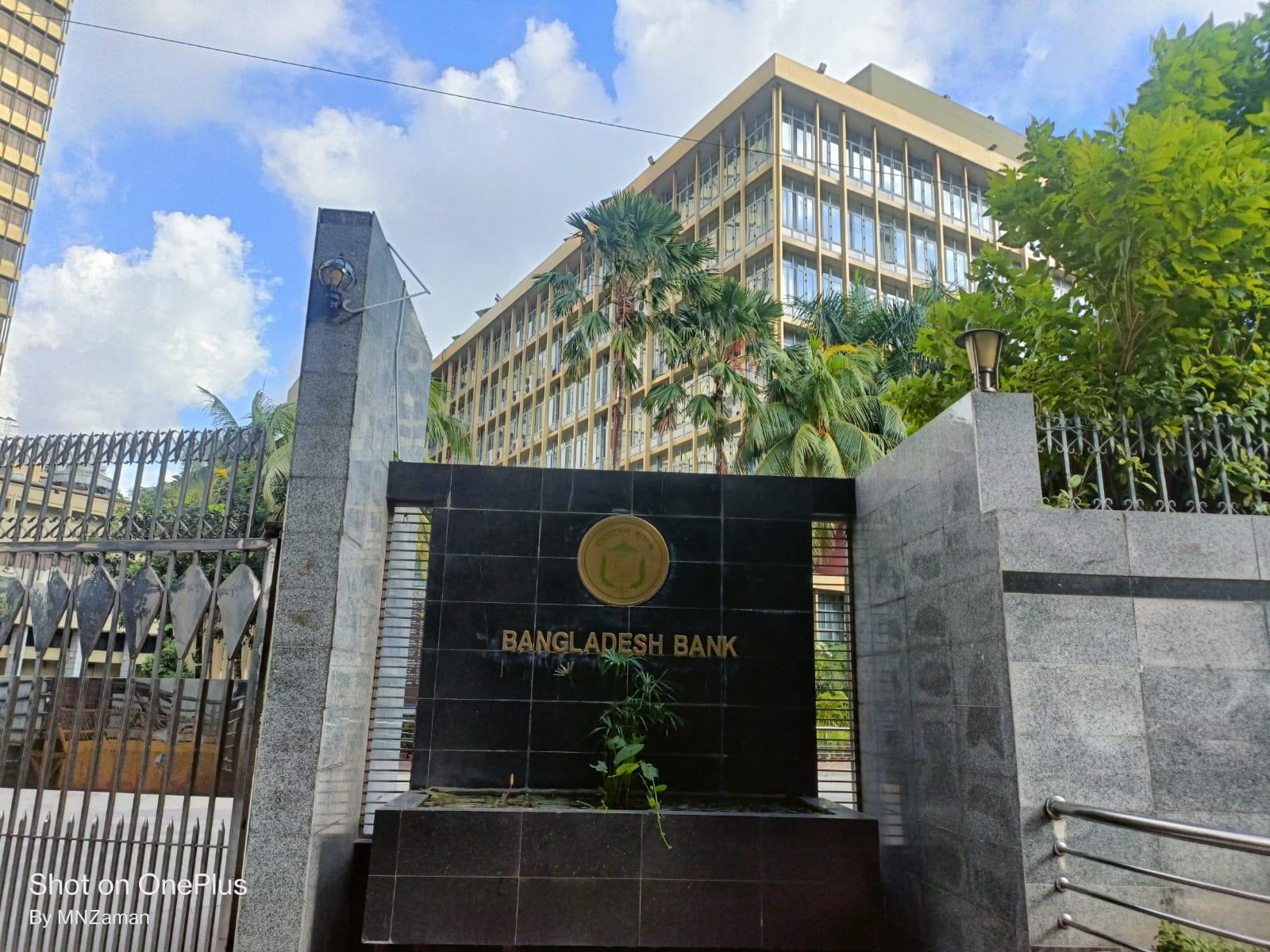
The latest data from the central bank shows that the trend of strong remittance inflows is continuing. This is particularly important as it supports the livelihoods of millions of families who depend on these funds. The increase in remittances also reflects the resilience and hard work of expatriate Bangladeshis, who continue to contribute significantly to the national economy.
Future Expectations
With the positive start to the fiscal year, there are expectations that the trend of increased remittances will continue. This will further strengthen the country's foreign exchange reserves and support economic growth. The government and central bank are likely to monitor this trend closely to ensure that the benefits are maximized and any potential challenges are addressed promptly.
Why This Matters
For Bangladesh, remittances are a vital source of foreign exchange and a key driver of economic growth. The increase in remittances not only supports individual families but also contributes to the overall stability and development of the economy. As the country navigates through various economic challenges, the continued strong flow of remittances provides a much-needed boost.