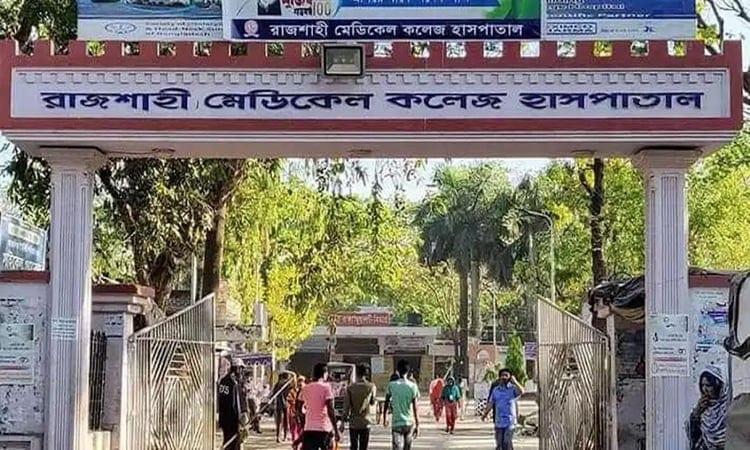
Two local organizations have petitioned the Rajshahi City Corporation to designate the 400-meter area around Rajshahi Medical College Hospital (RMCH) as a permanent 'Emergency Response Zone'. They seek to clear the footpaths and main roads, control vehicle parking, and improve access for emergency vehicles to the hospital, which serves over 13,000 patients daily in the northern region.
Current Challenges
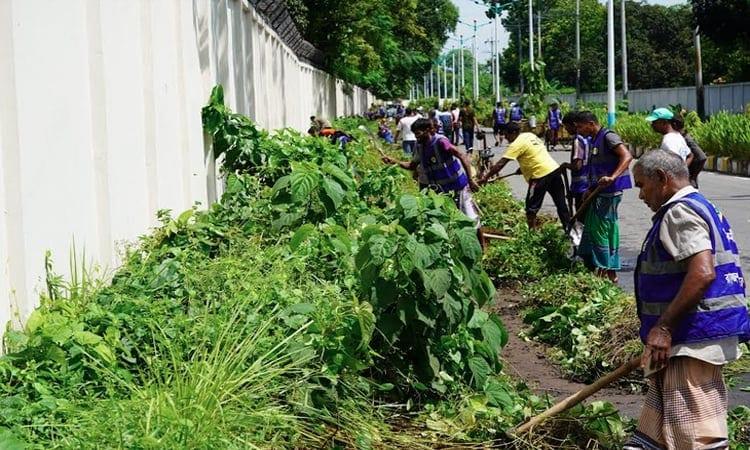
RMCH, a crucial healthcare facility for approximately 20 million people in the north, faces significant challenges with access for emergency vehicles. Illegal tong shops, food stalls, and unregulated parking obstruct the main roads, leading to traffic congestion. Ambulances often get stuck for 10 to 25 minutes, jeopardizing the timely treatment of critical patients.
Call to Action
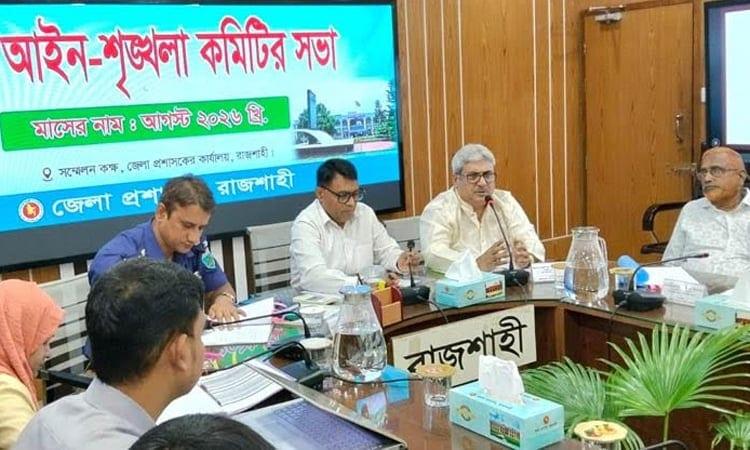
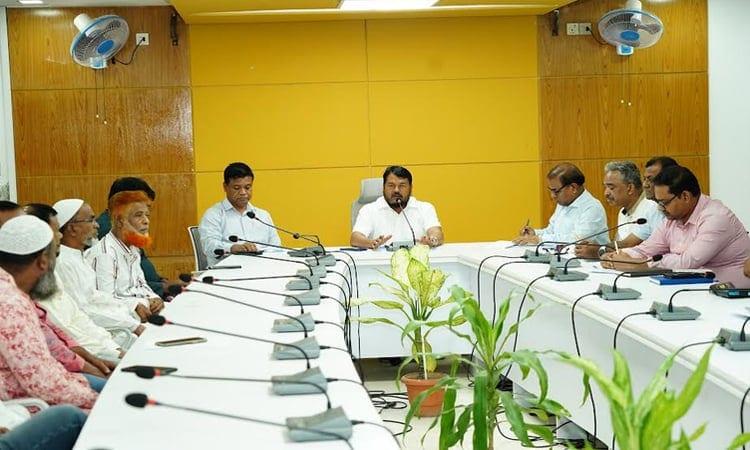
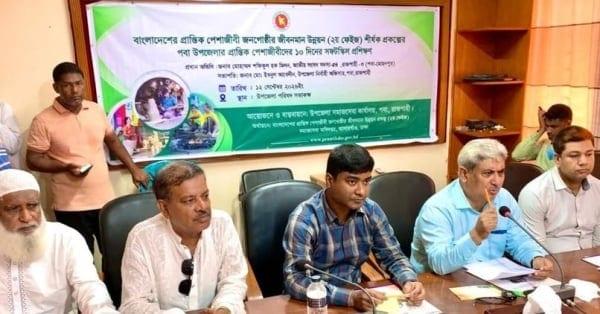
Representatives from the Youth Action for Social Change (YASC) and Bhangi Nritya Shilpalay submitted a memorandum to the Rajshahi City Corporation Administrator, highlighting the need for coordinated action. They emphasized that maintaining clear pathways for emergency services is a fundamental right of the citizens.
The memorandum, signed by YASC Founder Shamiul Alim Shawon and Bhangi Nritya Shilpalay General Secretary Robin Sheikh, was handed over at the Nagar Bhaban office. Copies were also provided to the Rajshahi Divisional Commissioner, Deputy Commissioner, Rajshahi Metropolitan Police Commissioner, and the RMCH Director.
Shamiul Alim Shawon noted the constant traffic jams faced by ambulances due to lack of coordination. Robin Sheikh criticized the chaos at the entrance of the city's main government hospital, calling for immediate action to ensure unhindered access for emergency medical services.
The City Corporation's role in inter-institutional coordination is crucial to resolving this issue and ensuring that RMCH can effectively serve the community.
Why This Matters for Bangladesh
Efficient access to healthcare facilities is vital for public health. By addressing the congestion around RMCH, the city can improve emergency response times, potentially saving lives and enhancing the overall healthcare system's efficiency.