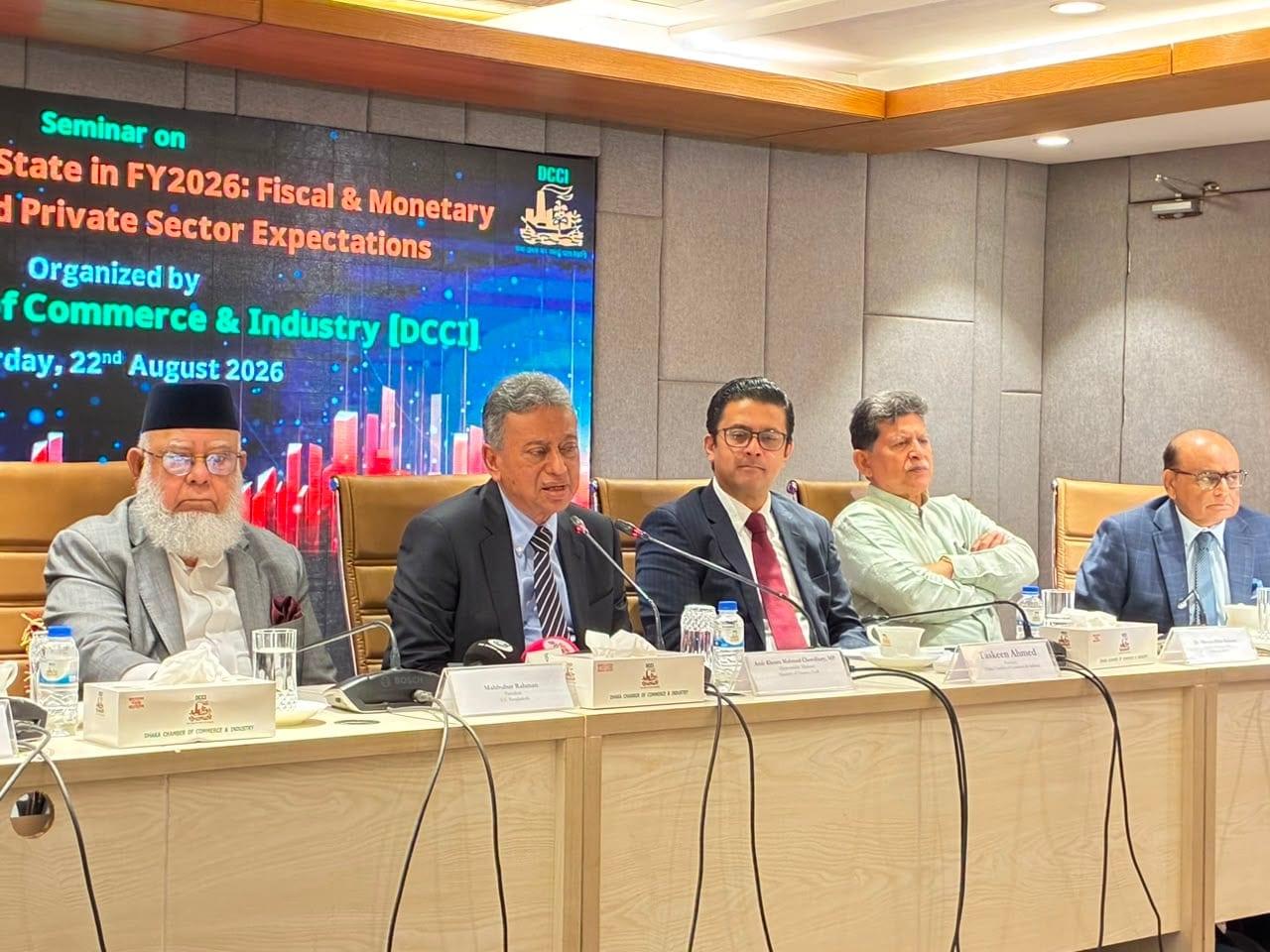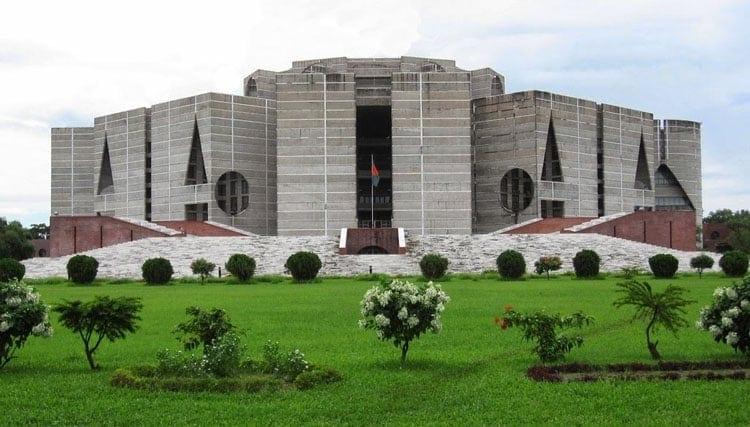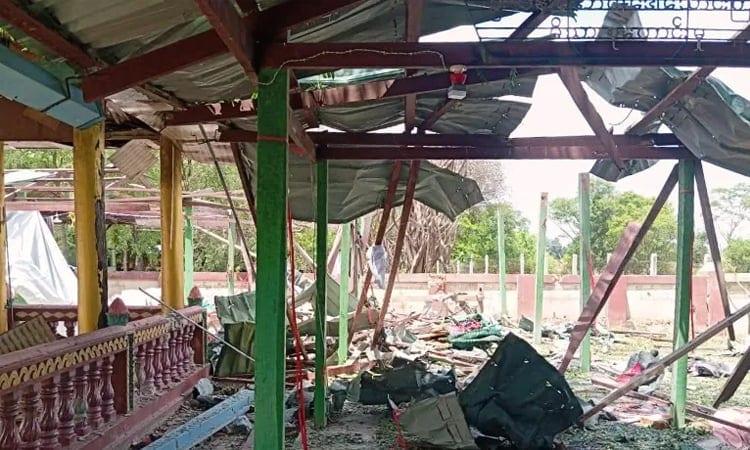
Disaster Management and Relief Minister Asadul Habib Dulu has announced that the government will construct multi-purpose shelters in lightning-prone northern and haor areas. These shelters aim to protect rural farmers and fishermen from lightning strikes, similar to cyclone and flood shelters. The announcement was made in response to a notice raised by ruling party lawmaker Arifa Sultana during a Jatiya Sangsad session chaired by Deputy Speaker Barrister Kayser Kamal.
Project Details and Locations
The disaster management ministry is initiating a project to establish shelter houses and lightning arresters in 15 districts identified as lightning-prone. The shelters will be constructed in areas such as Chalan Beel, Natore, Sirajganj, Rajshahi, and Pabna, as well as in the haor basin of north-eastern Bangladesh, which spans seven districts including Sunamganj, Sylhet, Moulvibazar, Habiganj, Netrokona, Kishoreganj, and Brahmanbaria. The project, estimated to cost Taka 950 crore, is currently under review by the Planning Commission.
Features and Functionality
These shelter centers will be equipped with lightning arresters and temporary shelters for farmers. The centers will also feature sirens to alert farmers during cloudy weather, allowing them to seek shelter promptly. Additionally, the compensation for families of lightning victims has been increased from Taka 25,000 to Taka 50,000.
Coordination and Awareness Campaigns
Minister Dulu highlighted the close coordination between the Ministry of Disaster Management and Relief, the Bangladesh Meteorological Department, local administrations, and other relevant agencies to mitigate lightning-related risks. Lightning forecasts generated through modern weather monitoring systems are being disseminated to the public via mass media, social media platforms, and the Integrated Voice Response (IVR) system. Awareness campaigns are also being conducted at the field level through leaflets, posters, and special drills.
Background and Significance
Lightning strikes are a significant natural disaster in Bangladesh, with an average of 300 deaths annually. The majority of victims are farmers and rural laborers caught in exposed fields, particularly during the pre-monsoon storm season from April to June. In 2016, after 80 people were killed in a single day, Bangladesh declared lightning a natural disaster. Despite previous efforts such as palm tree plantations, installation of lightning arresters, and constructing shelters, lightning-related deaths have not decreased. According to the Department of Disaster Management (DDM), lightning strikes claimed at least 3,485 lives between 2015 and 2024, with annual fatalities peaking at 427 in 2020.
Global Comparison and Future Prospects
Lightning strikes in Bangladesh result in more deaths annually than in many other countries. For example, Nepal reports roughly 100 lightning deaths per year, South Africa about 200, and the USA just 20 in 2025. Scientists estimate that approximately 1,800 thunderstorms occur globally at any given moment, totaling nearly 16 million each year. Given the unavoidable nature of thunderstorms, preparedness and adaptation are crucial, especially in a vulnerable country like Bangladesh.