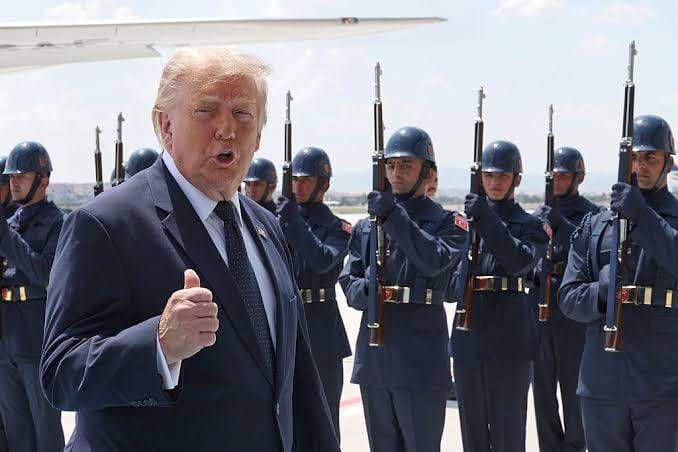
US President Donald Trump declared the ceasefire with Iran 'over' on Wednesday, following a series of attacks by Iran on ships in the Strait of Hormuz. Despite his strong words, Trump left the door open for further negotiations. The strategic shipping route remains a critical flashpoint in the ongoing conflict, which began in late February with significant US-Israeli strikes on Iran.
Renewed Hostilities
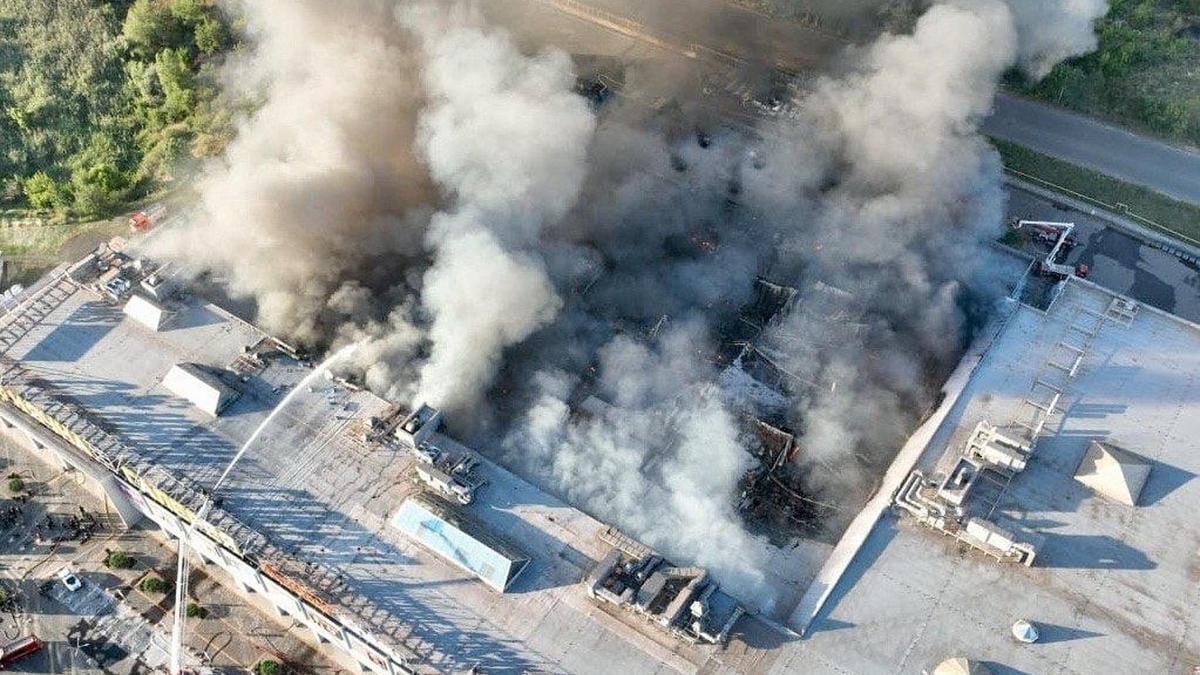
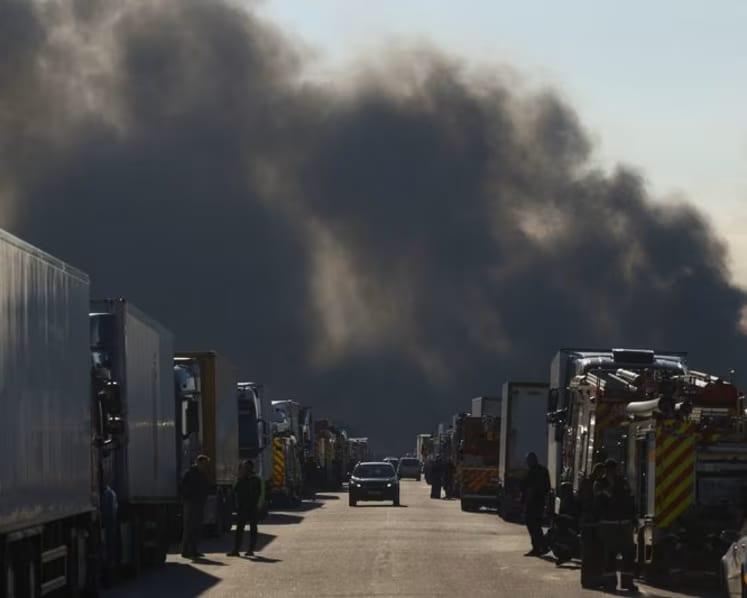
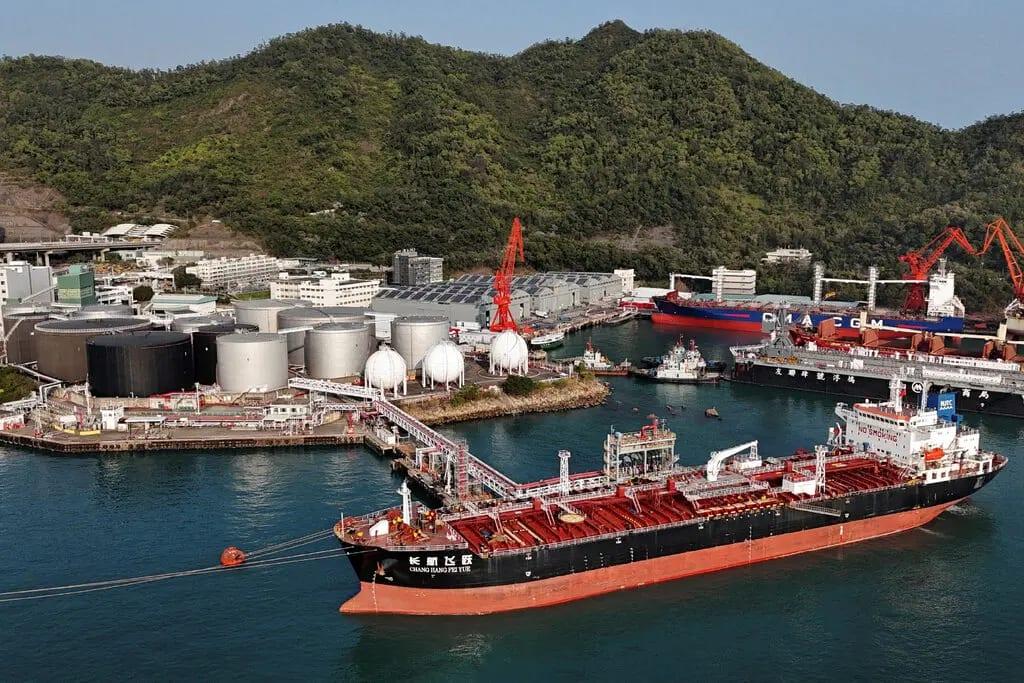
The recent escalation began with Iranian military strikes on at least three ships near the Strait of Hormuz. In response, the US conducted extensive strikes against Iranian targets, which were followed by retaliatory attacks from Iran on Gulf countries. Trump's declaration came during a NATO summit in Turkey, where he expressed frustration with dealing with Iran.
Economic Impact
Trump's remarks led to an immediate five percent jump in oil prices, which had already reached their highest level in two weeks. Both the US and Iran reported hitting dozens of targets, further straining their interim deal to end the Middle East war.
Iranian Response
Iran's Revolutionary Guards claimed to have hit dozens of US military facilities in Kuwait and Bahrain. Kuwait reported intercepting two ballistic missiles and 13 drones, while Bahrain experienced blasts near US forces at Sheikh Isa air base.
Regional Reactions
Oman, which sits across from Iran on the Strait of Hormuz, condemned the attacks but did not directly blame Iran, maintaining its neutrality. The International Maritime Organisation reported that almost 6,000 seafarers remain stranded in the area.
Analyst Perspectives
Analysts suggest that while Trump's rhetoric may be hyperbolic, the cost of returning to full-blown war would be too high for both sides. Ali Vaez, Iran project director at the International Crisis Group, noted that both sides are using force to negotiate the fine print of the MoU, which left many issues unresolved.