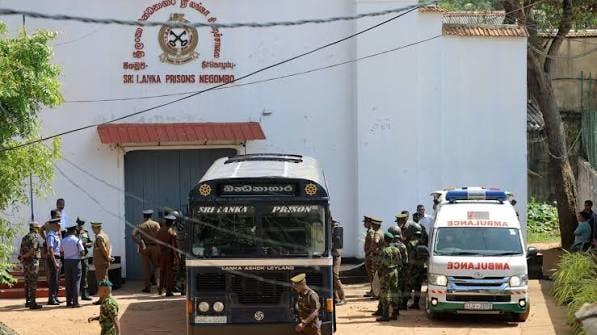
Sri Lanka has announced plans to convert a disused hospital into a new prison facility, following a deadly riot at an overcrowded jail that resulted in 28 deaths. The justice ministry revealed the decision on Wednesday, days after the riot at Negombo Prison, north of Colombo, which saw clashes between rival gangs. The violence killed 20 inmates and eight guards, and wounded over 100 others.
Overcrowding and Poor Conditions
The incident has intensified scrutiny of Sri Lanka's prison system, which operates at roughly four times its intended capacity. Official figures highlight the chronic overcrowding, a problem that has long plagued the country's detention facilities. A UN statement following the riot noted that 'overcrowding, outdated practices and poor conditions in places of detention have long been recognised as critical challenges across prison systems in Sri Lanka.'
Government Response
In response to the crisis, Justice Minister Harshana Nanayakkara issued an order to take over a section of the disused hospital in the island's south to accommodate inmates from other facilities. 'We need to set up security measures and other essentials to start the new prison at Mahamodara in Galle District,' a ministry official told AFP, though a specific timeline was not provided.
Historical Context
This is not the first time Sri Lanka has faced severe prison riots. In December 2020, another riot at a prison killed 11 inmates and wounded 117 during the Covid-19 pandemic. The government responded by releasing hundreds of inmates from overcrowded jails to alleviate the pressure.
Significance for Bangladesh
The situation in Sri Lanka underscores the broader challenges faced by South Asian countries in managing overcrowded prison systems. For Bangladesh, which also grapples with similar issues, the developments serve as a stark reminder of the need for effective prison management and reform. Ensuring adequate facilities and humane conditions for inmates is crucial not only for their well-being but also for maintaining overall public safety and order.