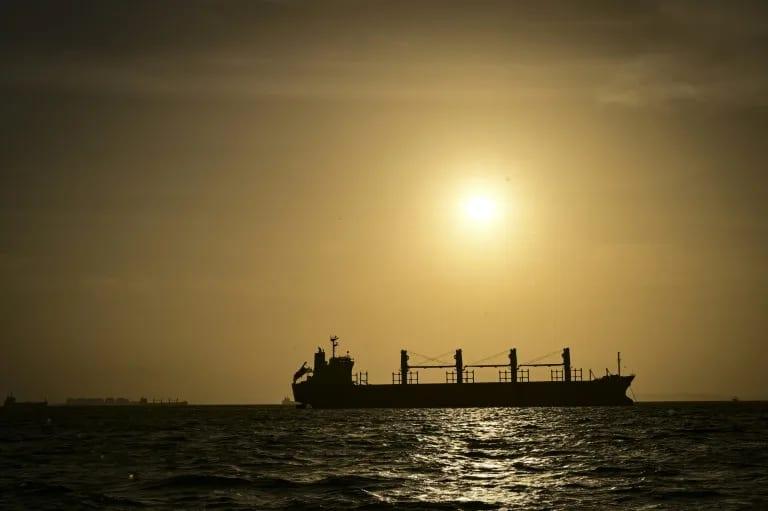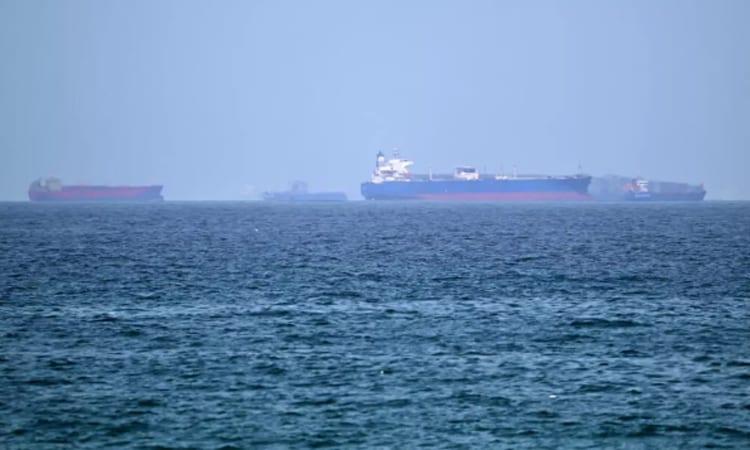
The United States launched extensive strikes on Iran following attacks on ships in the Strait of Hormuz, prompting Iran to retaliate by targeting US bases in the Gulf. Both sides reported hitting numerous targets, placing fresh strain on an interim deal to end the Middle East conflict and pushing oil prices to their highest level in two weeks.
US Strikes and Sanctions
Washington revoked sanction waivers on Iranian oil sales and launched attacks on Iranian military sites in retaliation for Iran's strikes on three commercial ships in Hormuz. US Central Command (CENTCOM) stated that its forces had struck over 80 targets, including Iranian air defense systems, coastal radar sites, and 60 IRGC small boats. The strikes aimed to degrade Iran's ability to continue attacking international commerce through the strait.
Iranian Retaliation
Iran's Revolutionary Guards (IRGC) responded by hitting dozens of US military facilities in Bahrain and Kuwait. Iranian state media reported explosions around the strait, including on the island of Qeshm, in the city of Sirik, and in the port city of Bandar Abbas.
Impact on Ceasefire and Oil Prices
The renewed hostilities have strained the interim deal between the US and Iran, designed to end the Middle East war. Oil prices jumped more than two percent in early Asian trade, reaching their highest levels in two weeks due to concerns over global energy supplies and doubts about the durability of the US-Iran agreement.
Background and Context
The US-Iran memorandum of understanding, signed last month, aimed to define the future administration and maritime services in the Strait of Hormuz. However, Iran has insisted there will be no return to pre-war arrangements, under which vessels could pass freely through the strait. The recent attacks are seen as a clear violation of the ceasefire agreement and international law.
Significance for Bangladesh
The escalating tensions between the US and Iran have significant implications for Bangladesh, particularly in terms of global oil prices and regional stability. As a country heavily reliant on imported oil, any disruption in the supply chain due to conflict in the Strait of Hormuz could lead to increased fuel prices and economic instability. Additionally, the geopolitical tensions could impact Bangladesh's trade relations and security considerations in the region.