A scene that would have been hard to imagine just months ago is now becoming increasingly common on Dhaka's streets; motorists patiently waiting at a red light on an almost deserted road. This transformation is attributed to the deployment of AI-powered traffic cameras at major intersections across the capital. These cameras have prompted drivers to respect traffic signals, stop behind designated stop lines, and keep zebra crossings clear for pedestrians.
Significant Shift in Road Behavior
Mehedi Hasan Shanto, a resident of Dhaka, recently witnessed a motorcyclist stopping at a traffic signal near Hotel InterContinental, even though there were no other vehicles at the intersection. When Shanto inquired why the rider had stopped, the response was simple: 'If we cross now, we'll be fined.' The rider was referring to the AI-powered traffic camera overseeing the junction. For Shanto, this moment reflected a remarkable shift in road behavior.
AI Initiative: A Milestone in Traffic Management
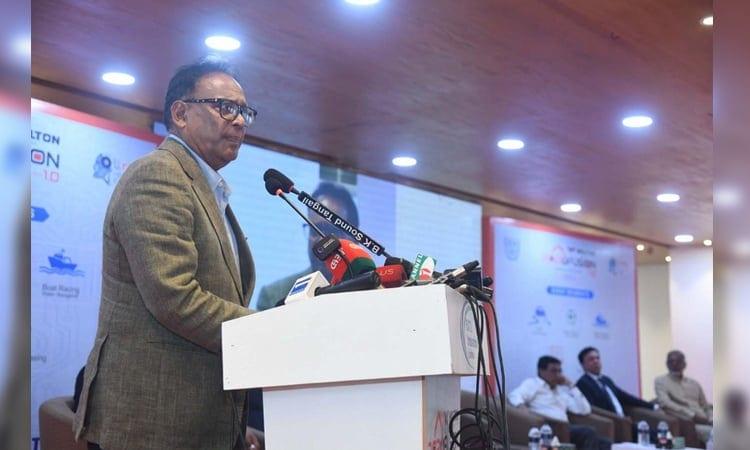
DMP Additional Commissioner (Traffic) Md. Anisur Rahman described the AI initiative as a milestone in Dhaka's traffic management. 'The biggest achievement of AI cameras is the visible improvement in traffic discipline. Drivers now obey traffic signals more consistently and stop before zebra crossings,' he said. The current network includes 117 cameras, with plans for gradual expansion to cover the entire capital.
Enhanced Safety for Pedestrians and Officers
The transformation is particularly visible during the city's busiest hours. At Karwan Bazar, one of Dhaka's busiest intersections, vehicles now routinely stop before the stop line when the signal turns red, allowing pedestrians to cross safely. Pedestrian Ruman Mahmud noted the change, saying, 'Earlier, vehicles would occupy the zebra crossing, and motorcycles even used the footpath. Now, drivers are much more careful because they know the AI cameras are watching.'
Cost-Effective Implementation
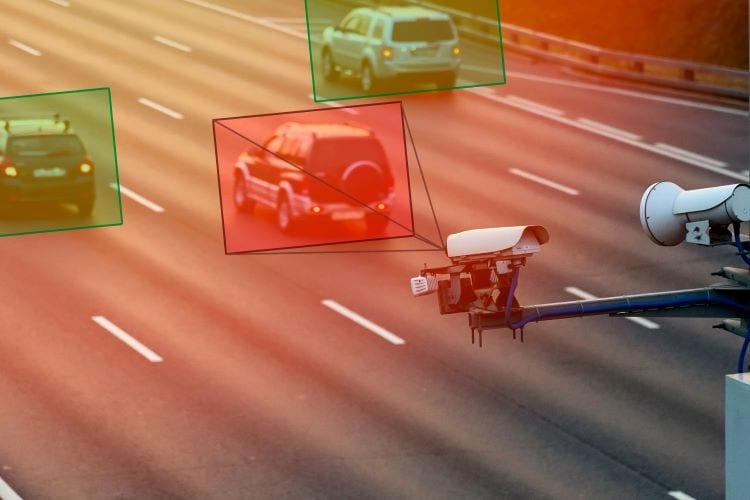
Police officials highlight that the country's AI-based traffic management initiative has been implemented at a remarkably low cost. The project began with an investment of only Tk 60 lakh, and the total expenditure so far has remained below Tk 1 crore. The AI system uses Pan-Tilt-Zoom (PTZ) cameras capable of detecting vehicle number plates from long distances, tracking moving vehicles, and capturing high-resolution footage.
Challenges and Future Plans
Despite the success, the technology faces limitations. Heavy rain, night-time conditions, and traffic congestion can make number plate recognition difficult. Additionally, many vehicles have faded, damaged, or unreadable number plates, complicating identification. Police have begun taking legal action against such vehicles. Authorities plan to gradually expand the network across the capital, although budgetary and infrastructure constraints prevent citywide implementation at once.