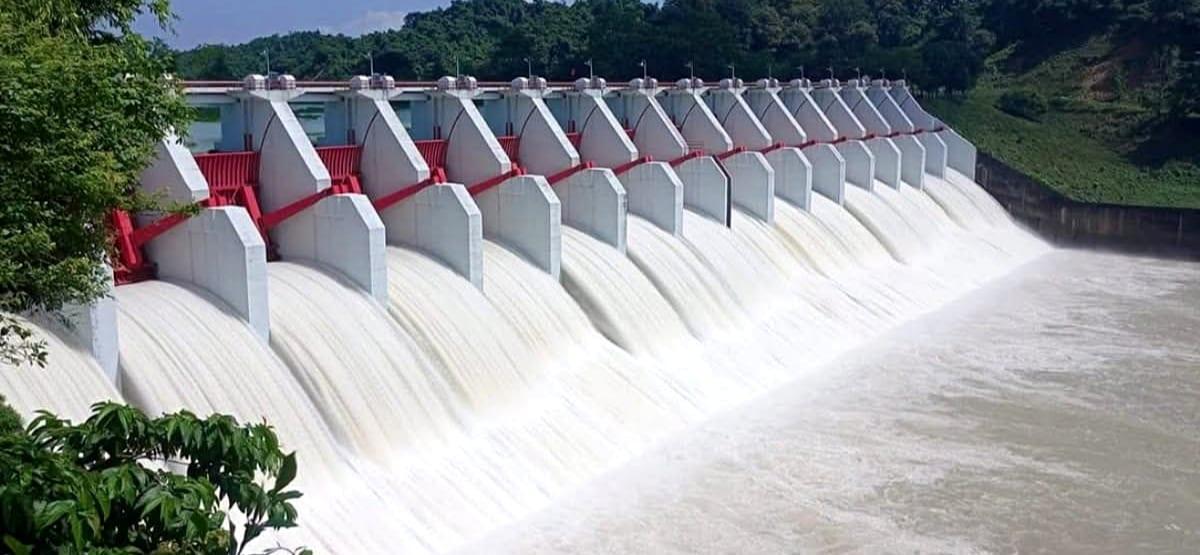
Power generation at the Kaptai Hydroelectric Power Plant has increased to 144 megawatts (MW) as all five generating units resumed operation following a rise in the water level of Kaptai Lake due to continuous rainfall and hill runoff. Engineer Mahmud Hasan, the plant manager, confirmed the development, stating that all five units have been operating simultaneously since 6:00 pm yesterday after overcoming water shortages.
Increased Water Levels
The increase in water levels is attributed to continuous rainfall over the past several days and runoff from upstream hill areas. The control room reported that the water level in Kaptai Lake was recorded at 79.86 feet Mean Sea Level (MSL) as of yesterday’s 8:00 pm. Although this is below the guideline level of 84.96 feet MSL for this time of year, it is sufficient to sustain power generation.
Power Generation Details
The plant is currently generating 144 MW of electricity from its five units. Units 1 and 2 are producing 32 MW each, generating a combined 64 MW, while Unit 3 is producing 30 MW. Units 4 and 5 are generating 25 MW each, contributing a total of 50 MW. The electricity generated is being supplied to the national grid, helping strengthen the country's power supply.
Future Prospects
Officials said the plant has an installed generation capacity of 242 MW. If the lake’s water level continues to rise, the power generation would reach its maximum capacity, they hoped. This development is crucial for Bangladesh as it seeks to meet its growing energy demands and reduce reliance on fossil fuels.
Significance for Bangladesh
The resumption of full operation at the Kaptai Hydroelectric Power Plant is significant for Bangladesh as it enhances the country's power supply. Hydropower is a crucial component of Bangladesh's energy mix, providing a renewable and sustainable source of electricity. The increased generation capacity will help meet the growing energy demands of the country and contribute to its economic development.