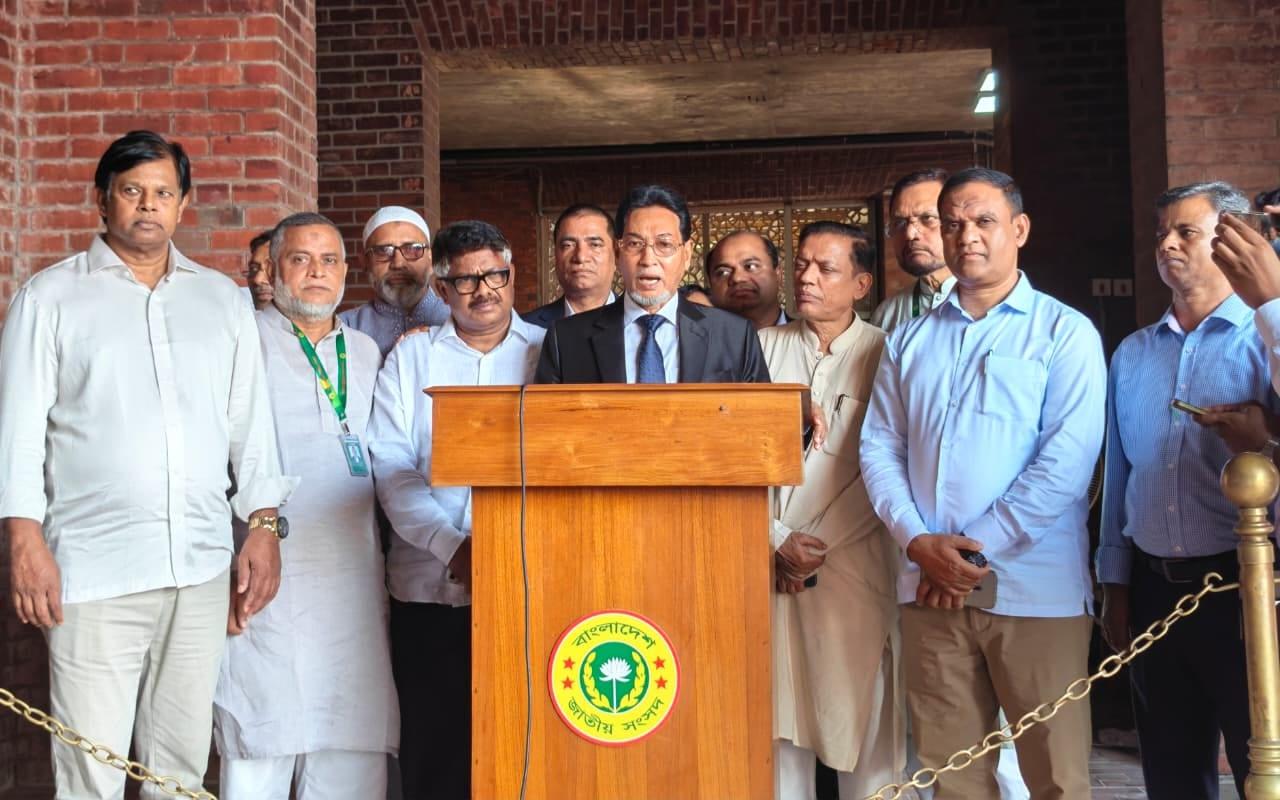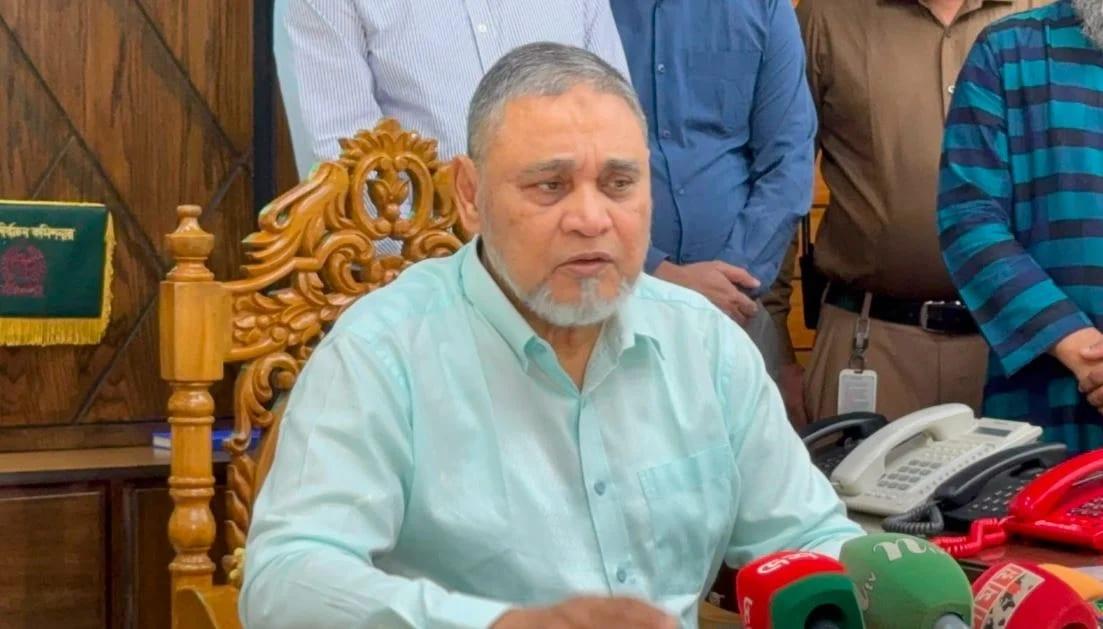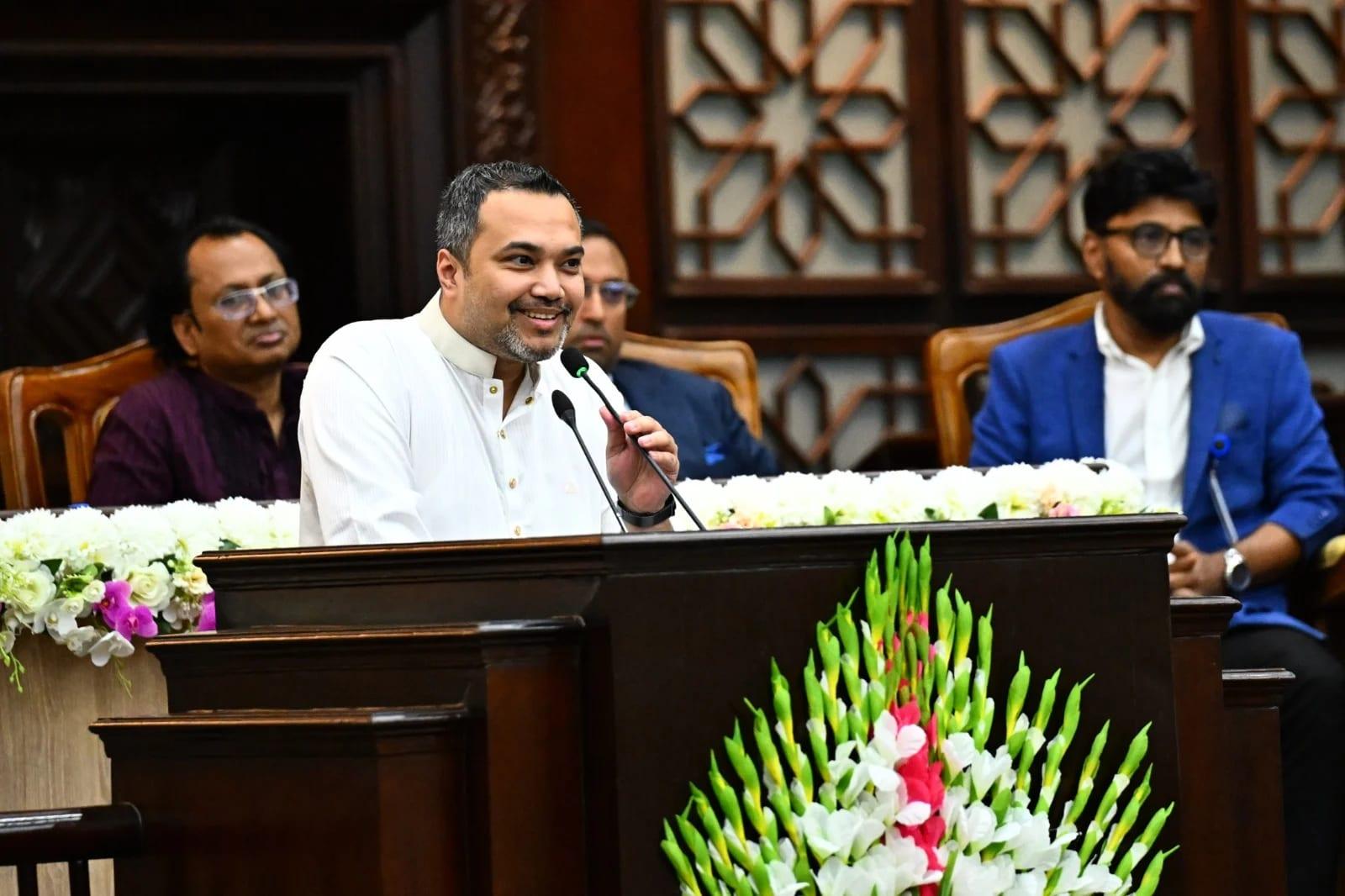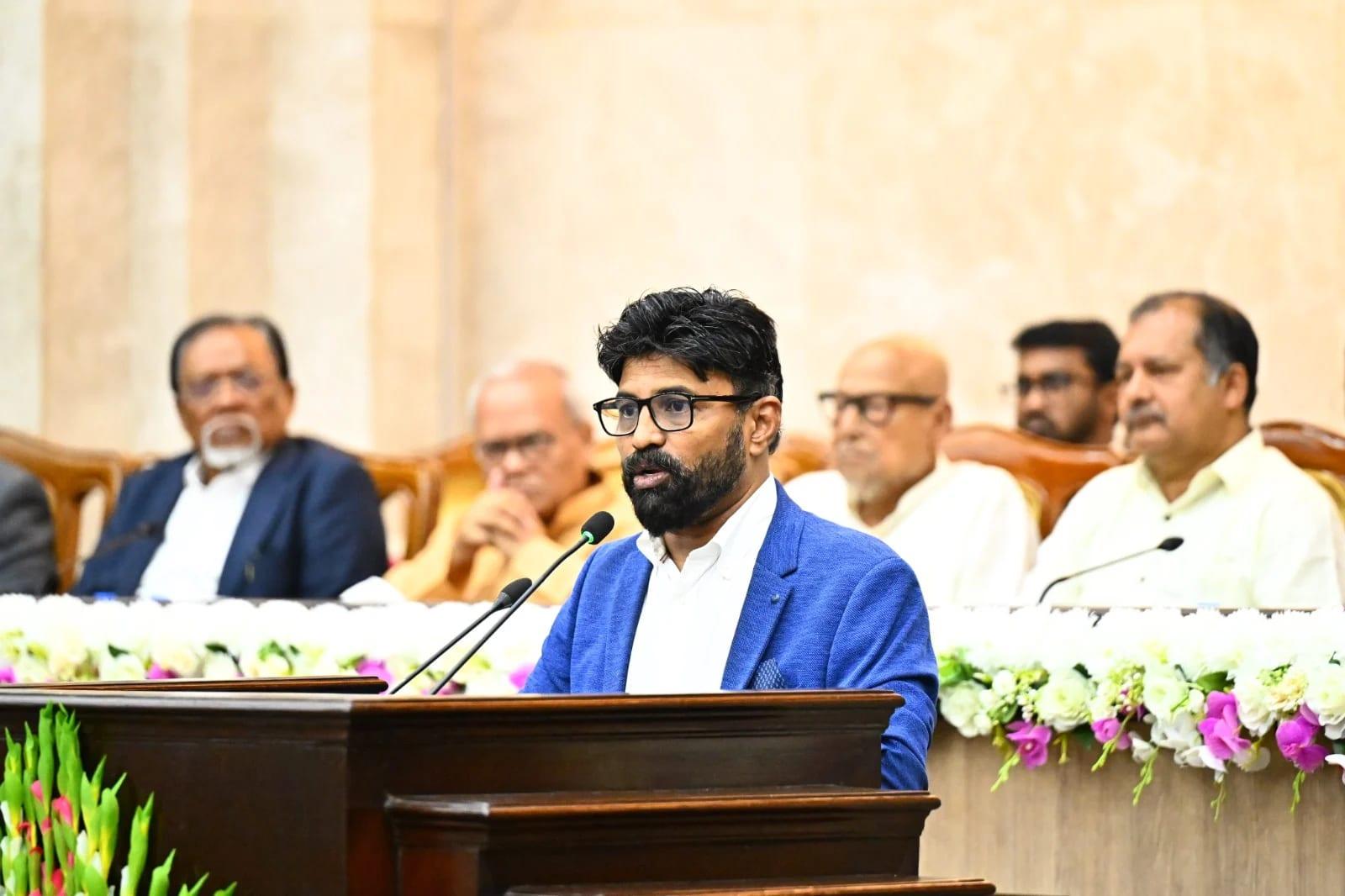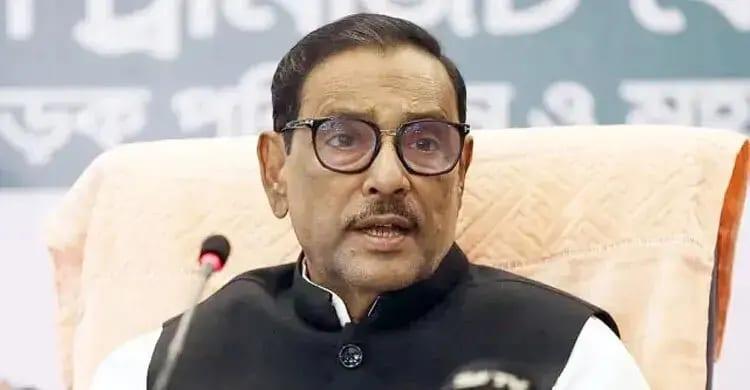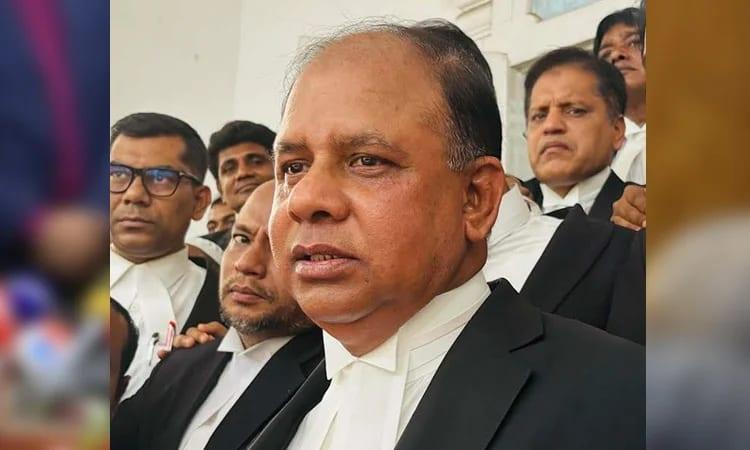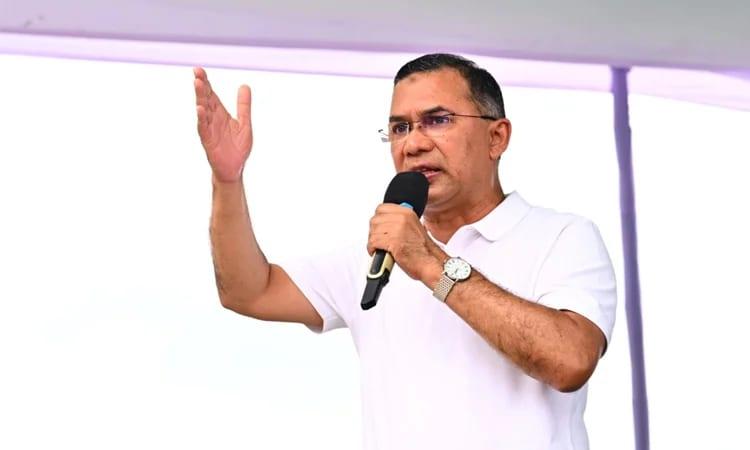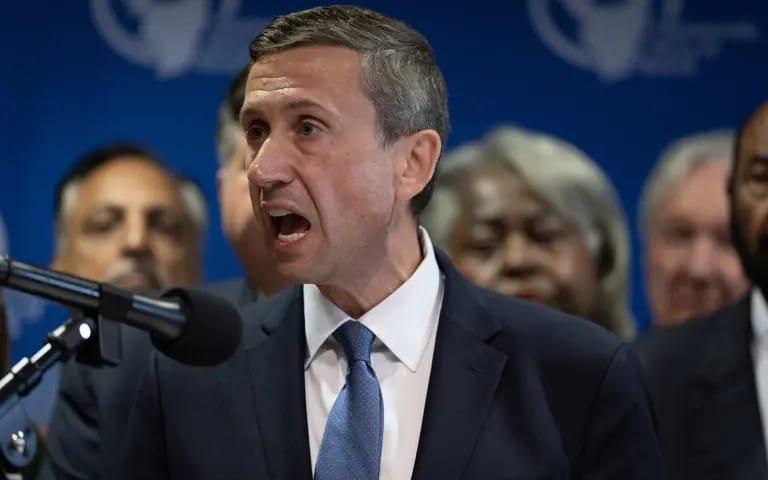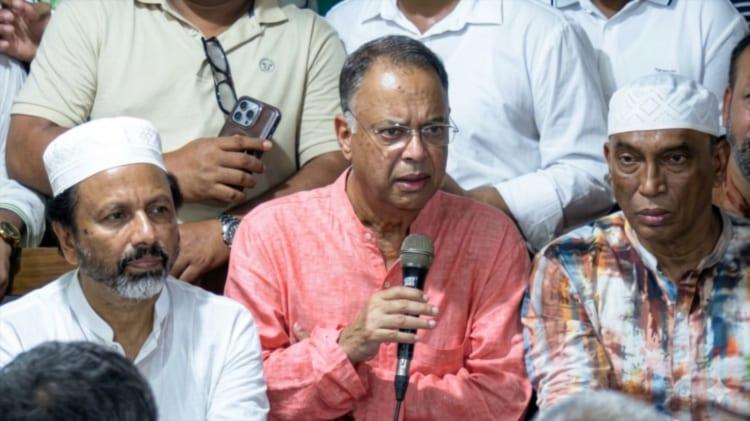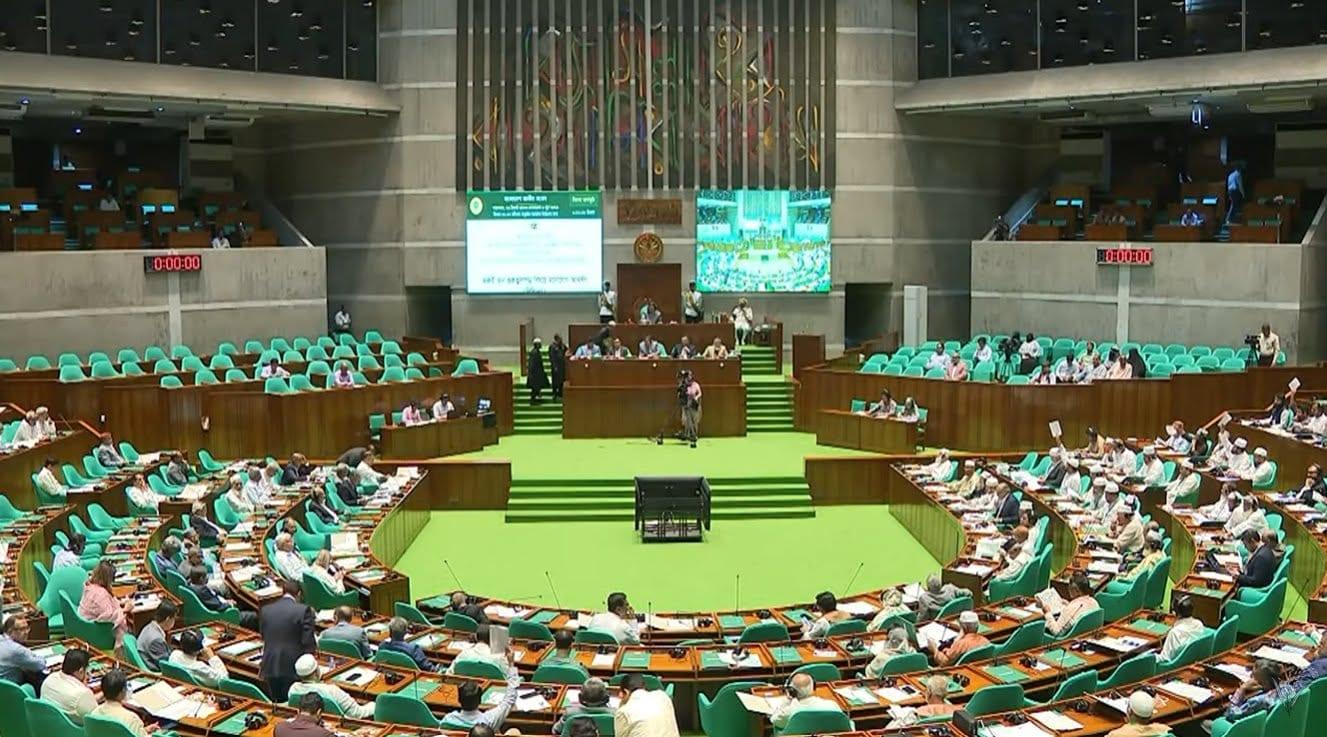
The 13th Jatiya Sangsad (JS) has formed a parliamentary standing committee on public accounts, with opposition lawmaker and Bangladesh Jamaat-e-Islami Nayeb-e-Ameer Syed Abdullah Mohammed Taher from Cumilla-11 as its head. The proposal for the committee's formation was put forward by JS Chief Whip Nurul Islam Moni on behalf of the Leader of the House and Prime Minister Tarique Rahman. The proposals were subsequently adopted by voice votes, with Speaker Hafiz Uddin Ahmad presiding over the session.
Committee Members
The committee comprises several members from different constituencies: Amanullah Aman (Dhaka-2), ABM Ashrafuddin Nizan (Lakshmipur-4), Hafiz Ibrahim (Bhola-2), AKM Fazlul Huq Milon (Gazipur-5), AM Mahbub Uddin (Noakhali-1), Jalal Uddin (Chandpur-2), Dr M Mahbubur Rahman (Mymensingh-7), SK Azizul Bari (Khulna-4), M Manjurul Islam (Dinajpur-1), Fazley Huda (Naogaon-3), Zakir Hossen (Mymensingh-5), Syed Zainul Abedin (Dhaka-4), Ruhul Amin (Chuadanga-2), and Anwarul Islam (Kurigram-1).
Significance of the Committee
The formation of the parliamentary standing committee on public accounts is a significant step towards ensuring financial accountability and transparency in government expenditures. This committee will play a crucial role in scrutinizing public accounts, auditing financial statements, and ensuring that public funds are utilized efficiently and effectively. It will also help in identifying any discrepancies or irregularities in government spending.
Role and Responsibilities
The primary role of the committee will be to examine the audit reports of the Comptroller and Auditor General (CAG) and other related documents. It will also review the annual financial statements of the government and provide recommendations to improve financial management. The committee is expected to hold regular meetings and submit reports to the Jatiya Sangsad on its findings and suggestions.
Political Implications
The appointment of Syed Abdullah Mohammed Taher, an opposition leader, as the head of the committee signifies an effort towards bipartisan cooperation in overseeing public finances. This move is likely to enhance the credibility and effectiveness of the committee, as it includes members from both the ruling and opposition parties. It also reflects a commitment to transparency and good governance.
Future Steps
Moving forward, the committee is expected to start its work by reviewing the latest audit reports and financial statements. It will also engage with various government departments and agencies to gather information and insights. The findings and recommendations of the committee will be crucial in shaping future financial policies and practices in Bangladesh.