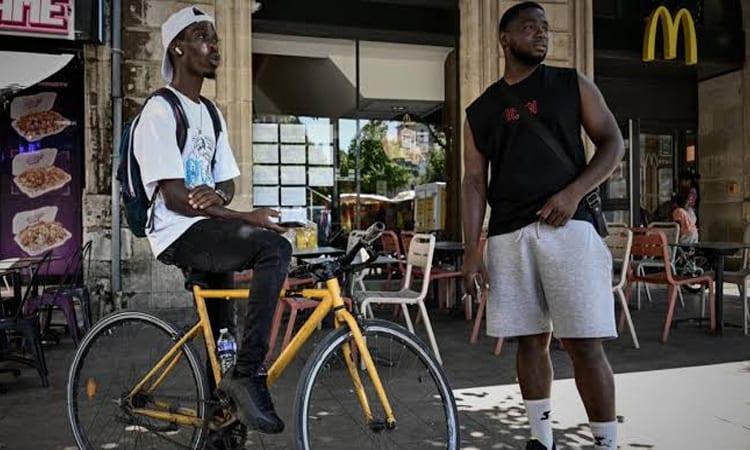
Uber Eats and Deliveroo have announced that they will impose afternoon breaks for food delivery cyclists in parts of France under severe heat warnings. This measure aims to protect the health of the workers but has been criticized for depriving them of income. France is experiencing its third episode of high temperatures since May, with some areas reaching up to 40°C. The apps will halt access to users between 2:00 pm and 6:00 pm if there is a heat alert.
Health and Safety Concerns
The decision to implement breaks during extreme heat conditions is driven by health and safety concerns for the delivery drivers. High temperatures can pose serious risks, including heat exhaustion and heatstroke, particularly for those engaged in physically demanding activities like cycling.
Economic Impact on Drivers
However, the measure has drawn criticism for its potential economic impact on drivers. Many delivery personnel rely on consistent work to earn a living, and the suspension of services during peak hours could significantly reduce their income. Ludovic Rioux, a labour activist from the CGT union, highlighted that this decision makes these vulnerable workers even more vulnerable in the absence of any replacement income.
Current Heatwave Conditions
France has been experiencing unusually high temperatures, with the southwestern city of Bordeaux recording 40.7°C on Tuesday. Despite these high temperatures, no regions were under red alert—the highest heat warning—on Wednesday nor were they predicted to fall under that category on Thursday.
Company Responses and Measures
Uber Eats and Deliveroo have taken additional measures to support their drivers during heatwaves. Uber Eats has sent reminders to its workers to stay hydrated and facilitated their access to drinking water via partner restaurants. Deliveroo has provided its delivery drivers with a map of water taps and sought to limit the distance of deliveries.
Future Implications and Worker Support
The implementation of these breaks raises questions about the balance between worker safety and economic stability. As temperatures continue to rise globally, companies may need to explore more comprehensive solutions to protect workers without compromising their income. Organizations like La Maison des Livreurs, which supports meal delivery personnel, play a crucial role in advocating for the rights and welfare of these workers.