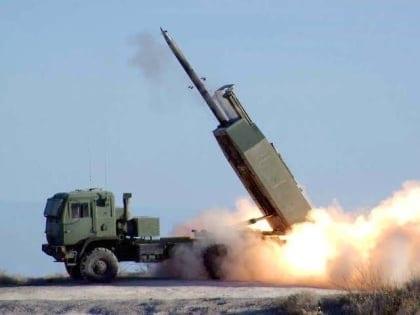
Iran experienced another night without US airstrikes, as Washington paused its nearly five-month-long war. This lull has rekindled hopes for a return to negotiations after nearly two weeks of consecutive nightly US bombardments. The pause may also reflect pressure on stockpiles of Patriot interceptors and other defensive weapons, according to US media reports.
Stockpile Concerns and Diplomatic Efforts
The fighting, which initially centered over the strategic Strait of Hormuz, has expanded to include attacks on US bases, regional shipping, and Gulf allies. US President Donald Trump threatened a'much higher level' of strikes on Friday, but US operations against Iran are currently 'on a hold,' according to an unidentified Pentagon source quoted by CNN.
Plans to escalate the campaign have been shelved partly due to shrinking supplies, as reported by The New York Times, citing two people briefed on the matter. Trump also faces the risk of a wider Middle East war, the estrangement of vulnerable Gulf allies, and further shocks to the global economy.
Regional Tensions and Diplomatic Overtures
Vice President JD Vance and top US general Dan Caine raised concerns about escalation at a White House meeting on Friday. General Caine told Trump that the military could successfully carry out the available options but warned of the possible implications. Trump said on Friday that he had not decided whether to return to an all-out operation, indicating ongoing talks with Iran.
Iran faces a choice between a deal and escalated strikes at a 'much higher level,' according to Trump. The conflict, initially predicted to last four or five weeks, is now nearing its fifth month and is impacting Trump's approval ratings ahead of crucial US midterm elections in November.
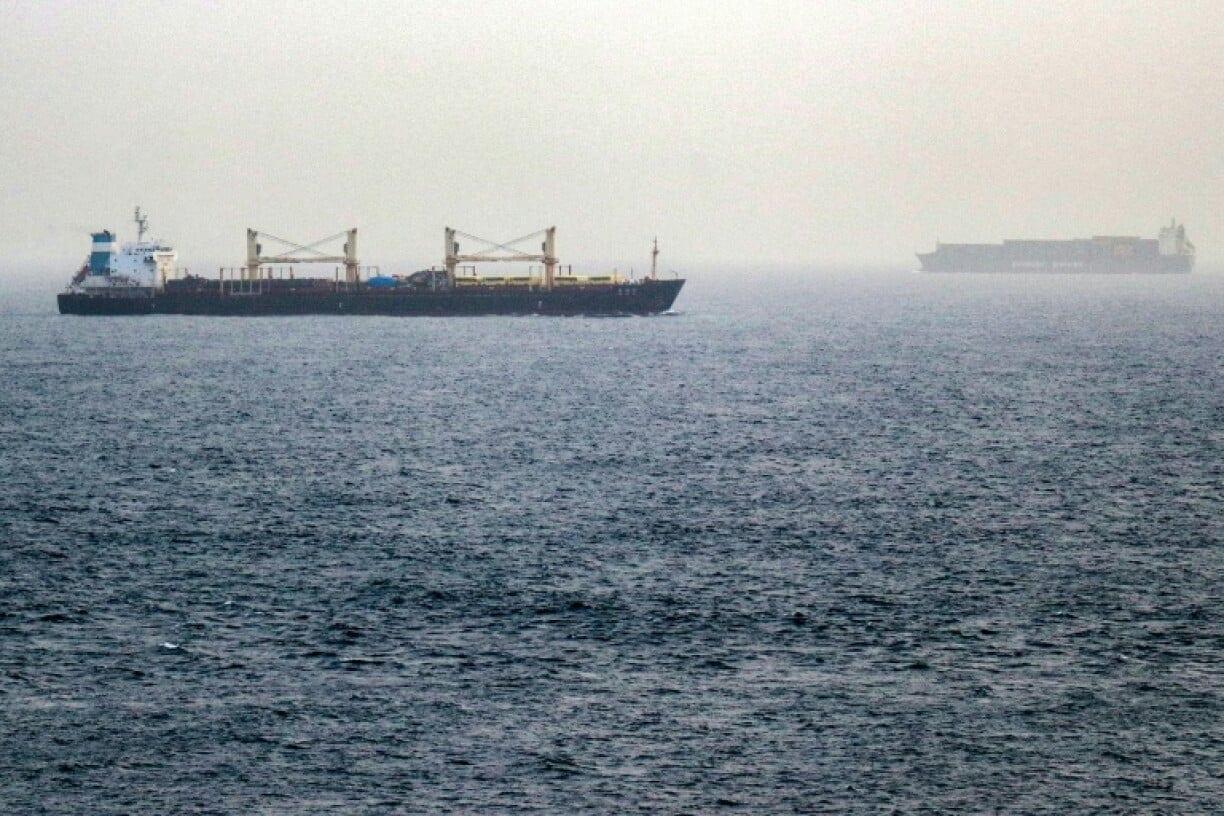
Meanwhile, fighting has spread to a new front. Yemen's Iran-backed Houthi rebels claimed to have struck Saudi Aramco sites in Jizan and Yanbu on Saturday, a day after Riyadh bombed Houthi targets. A surface-to-air battery operated by Greek personnel in Saudi Arabia downed two ballistic missiles and a drone over Yanbu, according to the Greek air force media office. Iran's Revolutionary Guards reported stopping four ships attempting to transit the Strait of Hormuz in 24 hours. Tehran's effective blockade of the waterway remains the central flashpoint with Washington.
Foreign Minister Abbas Araghchi said Iran could not be blamed for the escalation and offered to broker talks between the Houthis and Riyadh, stating 'there is no military solution.'