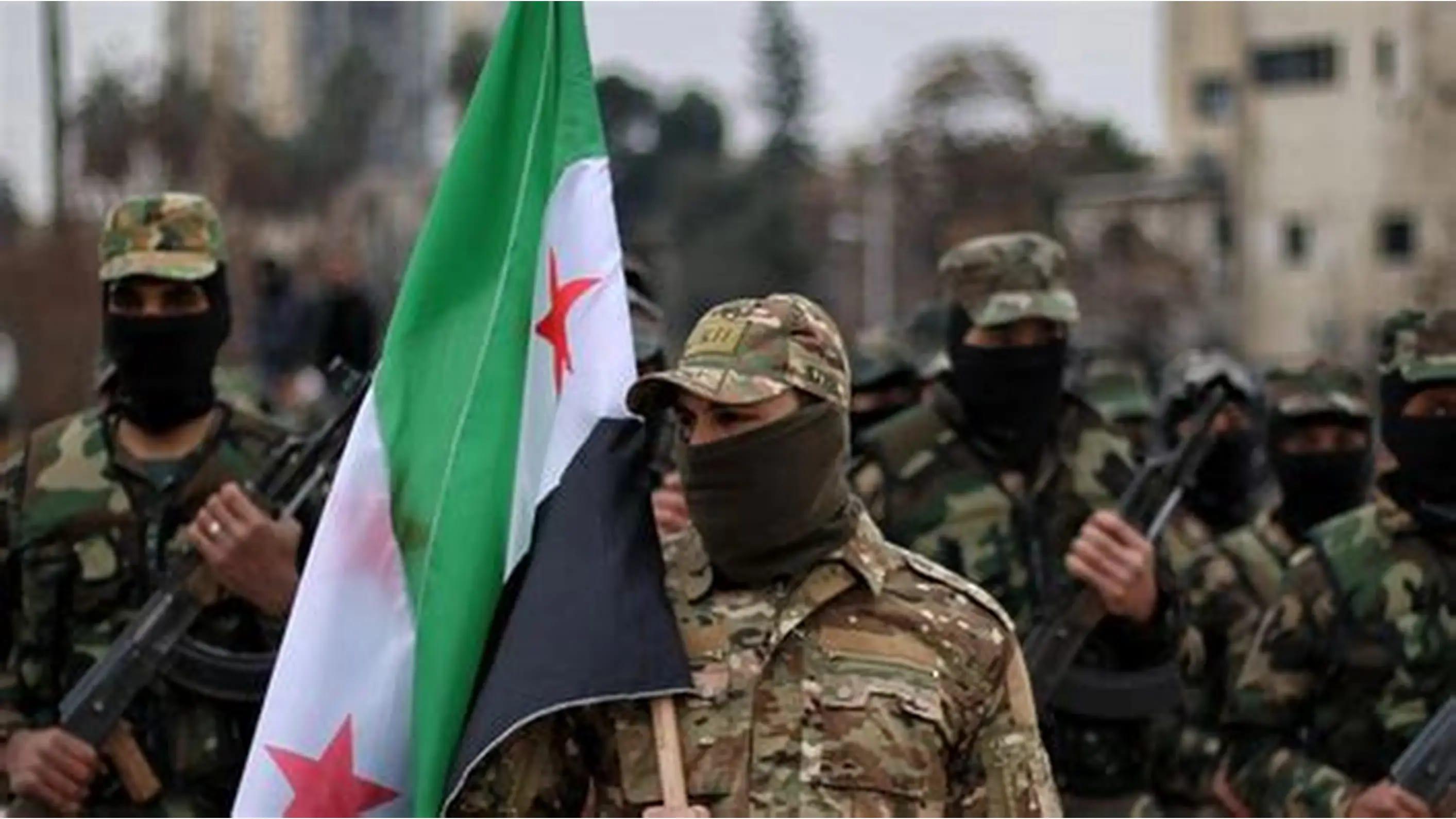
Tensions in the Middle East have reached a critical point as the US and Iran engage in a series of escalating military actions. The US launched new airstrikes against Iran, marking the eighth consecutive night of military assaults. These strikes come in response to Iran's deadly attacks on US forces, which resulted in the deaths of two US service members and one missing in action in Jordan.
US and Iran Exchange Strikes
The US Central Command (CENTCOM) reported that the soldiers were killed when US and partner forces defended against Iranian ballistic missile and drone attacks. In retaliation, the US conducted airstrikes targeting Iranian assets, including the port of Sirik on the Strait of Hormuz. Iranian Supreme Leader Mojtaba Khamenei vowed to teach the US "unforgettable lessons," accusing Washington of inciting war despite a framework deal to end the conflict.
Regional Impact and International Reactions
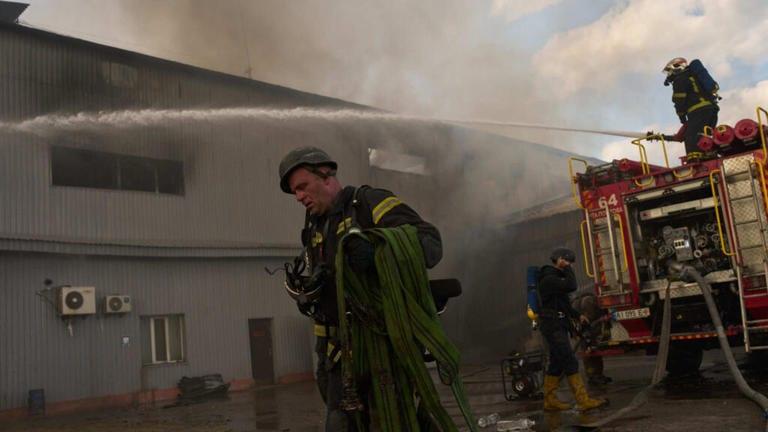
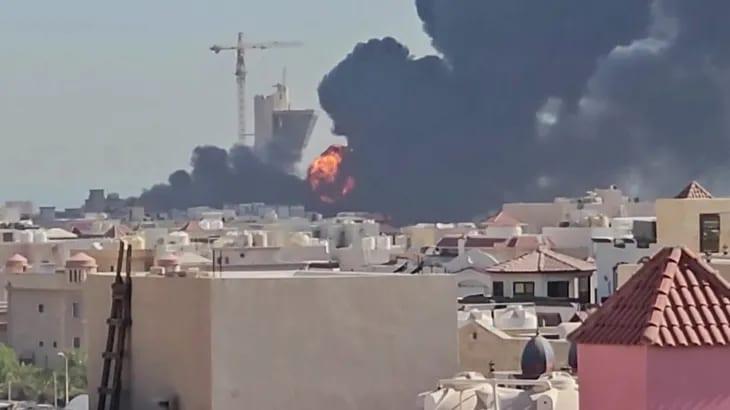
The conflict has had significant regional repercussions. Hezbollah held a mass funeral in southern Lebanon for dozens of fighters and civilians killed in recent fighting with Israel. The Gulf Cooperation Council condemned Iran's attacks on Bahrain, Kuwait, and Jordan, labeling them as war crimes. Kuwait reported attacks on a power and water plant and an oil facility, resulting in injuries and damage. Bahrain's army claimed to have thwarted a wave of Iranian attacks.
Lebanese President Joseph Aoun traveled to Washington to meet with US President Donald Trump, aiming to discuss strengthening the ceasefire and the withdrawal of Israel from occupied Lebanese regions. The ongoing hostilities and threats of further escalation raise concerns about the stability and security of the region, with global implications.