The US Senate passed a largely symbolic resolution on Tuesday calling for an end to President Donald Trump's war with Iran, delivering a fresh rebuke to the White House as it tries to negotiate a lasting settlement with Tehran. The House-passed measure, adopted by the Senate in a 50-48 vote, directs Trump to remove US forces from hostilities with Iran unless Congress explicitly authorizes military action.
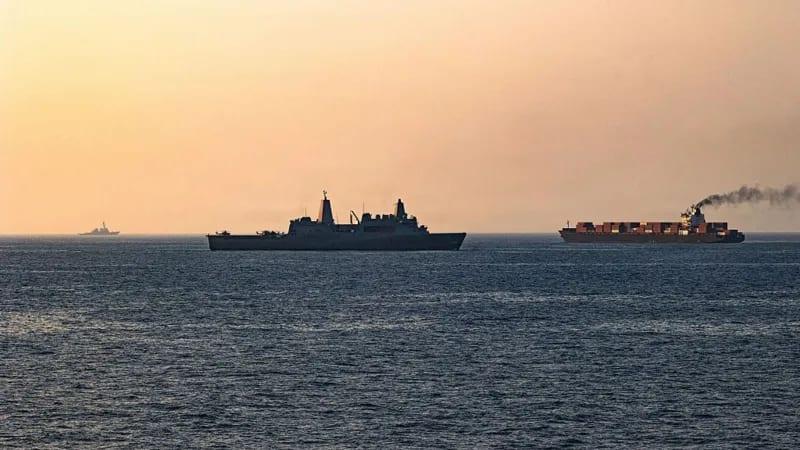
Because the measure is a 'concurrent resolution,' it does not go to Trump's desk for signature and carries disputed legal force. However, its passage still puts both chambers of Congress on record against a conflict that began with US and Israeli strikes on Iran in late February, rattled global energy markets, and opened a broader regional war involving Lebanon and Gulf states.
Trump's Reaction and Diplomatic Efforts
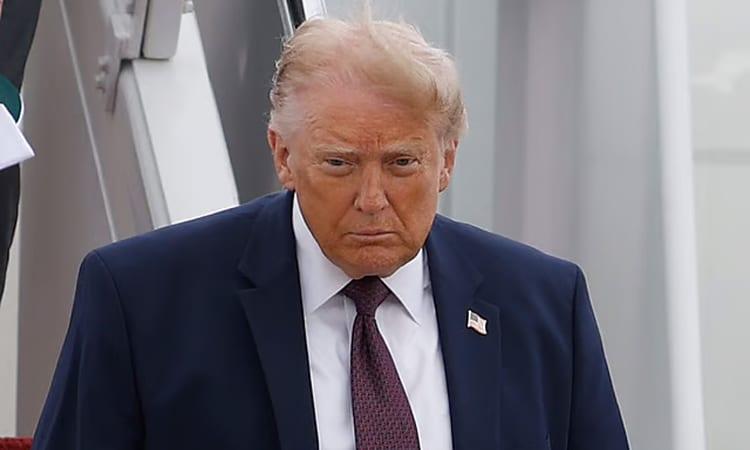
Trump slammed the vote later Tuesday on his Truth Social platform, calling it 'poorly timed and meaningless.' 'These Senators have just made my job more difficult, but I will get it done, one way or the other, because I always get it done!' Trump said.
The vote came as the Trump administration pursued a 60-day diplomatic push to turn a preliminary memorandum of understanding with Iran into a final agreement covering Tehran's nuclear program, sanctions relief, and the Strait of Hormuz.
Congressional Divisions and Legal Debates
Senate Democratic leader Chuck Schumer forced the vote to put Republicans on record after several Trump allies voiced alarm over both the war and the president's deal to end it. 'Republicans can complain about Trump's war, his secrecy, and his disastrous deal with Iran all they want behind closed doors, but the only way to ensure this war ends once and for all is for Republicans to act,' Schumer said in a floor speech ahead of the vote.
Democrats say Trump violated the Constitution by launching military operations against Iran without congressional approval. Under the 1973 War Powers Act, presidents must obtain authorization from Congress within 60 days of introducing US forces into hostilities, though administrations of both parties have often contested how the law applies.
Economic and Political Repercussions
The vote also reflects growing unease in Congress over the cost of the war, which disrupted trade routes, drove up energy prices, and placed new strain on US voters already worried about inflation ahead of November's midterm elections. Meanwhile, Iran said Tuesday that the UN nuclear watchdog would not be allowed to inspect nuclear sites bombed by the United States and Israel last year, rejecting Vice President JD Vance's claim that Tehran had agreed to allow inspectors back in.
Trump later insisted on social media that Iran had accepted 'the highest level' of nuclear inspections. Meanwhile, Tehran's top negotiator Mohammad Bagher Ghalibaf said the Strait of Hormuz would 'never return' to the days of free passage before the war, despite new communication lines aimed at keeping the vital shipping route open.