Ukraine has intensified its targeting of Crimea, the Black Sea peninsula annexed by Russia in 2014, aiming to sever it from Russian supplies. Here are five essential facts about Crimea, a strategic and historically significant region that continues to play a central role in the ongoing conflict between Russia and Ukraine.
Natural Beauty and Strategic Importance
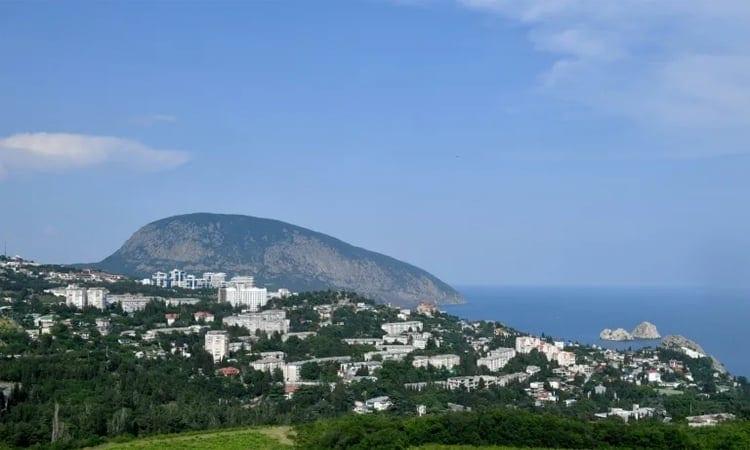
Crimea is a peninsula extending into the Black Sea, renowned for its natural beauty, including seaside cliffs, green mountains, pebbled beaches, and fertile soil. Its strategic location has historically made it a coveted area, leading to numerous wars over the centuries.
A Complex History
Crimea became part of the Russian Empire in the 1780s after victories over the Ottoman Empire. During World War II, it was occupied by the Nazis and later hosted the Yalta Conference in 1945. After the Soviet Union's collapse in 1991, Crimea became part of an independent Ukraine, though Russia retained the right to station its Black Sea Fleet in Sevastopol under several 1990s agreements.
Annexation and Ongoing Conflict
In 2014, amid Ukraine's pro-EU revolution, Russia seized Crimea. Masked gunmen took control of government buildings, and Moscow organized a referendum on joining Russia, which was widely condemned as a sham. The annexation led to sanctions against Russia and the outbreak of war in eastern Ukraine. Crimea is internationally recognized as part of Ukraine, with Russia's annexation acknowledged only by a few countries.