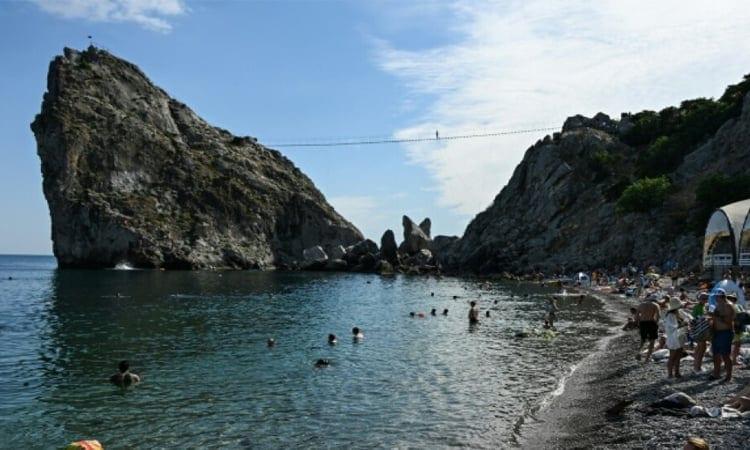
A loud boom echoed over Sevastopol, sparking uncertainty among residents in the Russia-annexed peninsula of Crimea. Was it a Russian air-defense drill or a Ukrainian drone attack? Local resident Georgy, who works in the tourism sector, shrugged, stating, 'We're already used to it, really... nothing scares us anymore.'
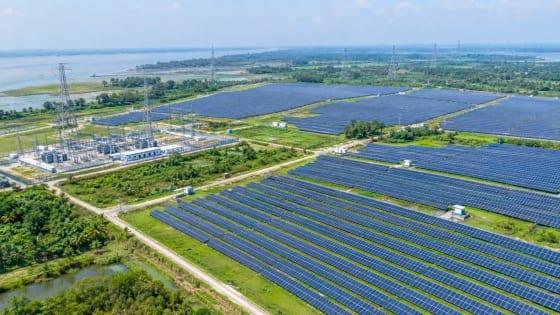
Ukraine has intensified its campaign of strikes on Crimea's fuel and electrical facilities, causing frequent blackouts and fuel shortages. The 2.4 million residents of Crimea now live with daily power outages announced by the Crimenergo electricity distributor. Authorities have introduced a local state of emergency and halted petrol sales, leading to long queues at the few gas stations that remain open.
Businesses and hotels that can afford them are equipped with generators to cope with the frequent power cuts. Oksana, who runs a grocery store in Yalta, explained, 'Yes, you can hear the generator. I have no choice... otherwise the sorbets will melt. This year is just a catastrophe.'
The situation in Crimea has become increasingly perilous, with Ukraine targeting tankers and haulers on the northern route between Crimea and Rostov-on-Don, known as the 'road of death.' The Kerch Bridge, a symbol of Moscow's annexation, has also been frequently targeted, leading to fuel tankers being banned from using it.
Ukrainian President Volodymyr Zelensky stated that the aim of the Crimea campaign is to 'create the conditions under which Russia will be forced to choose peace.' Ukraine views this as fair retribution for Russia's attacks on its cities. Despite the ongoing conflict, many residents of Crimea continue their daily routines, though some, like Ekaterina and Anastasia, are considering leaving the peninsula for a safer life abroad.