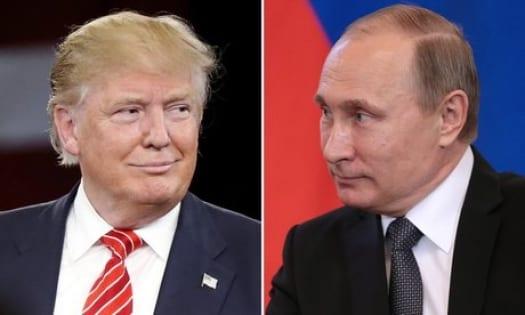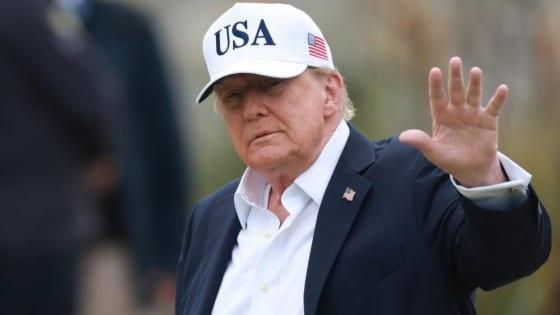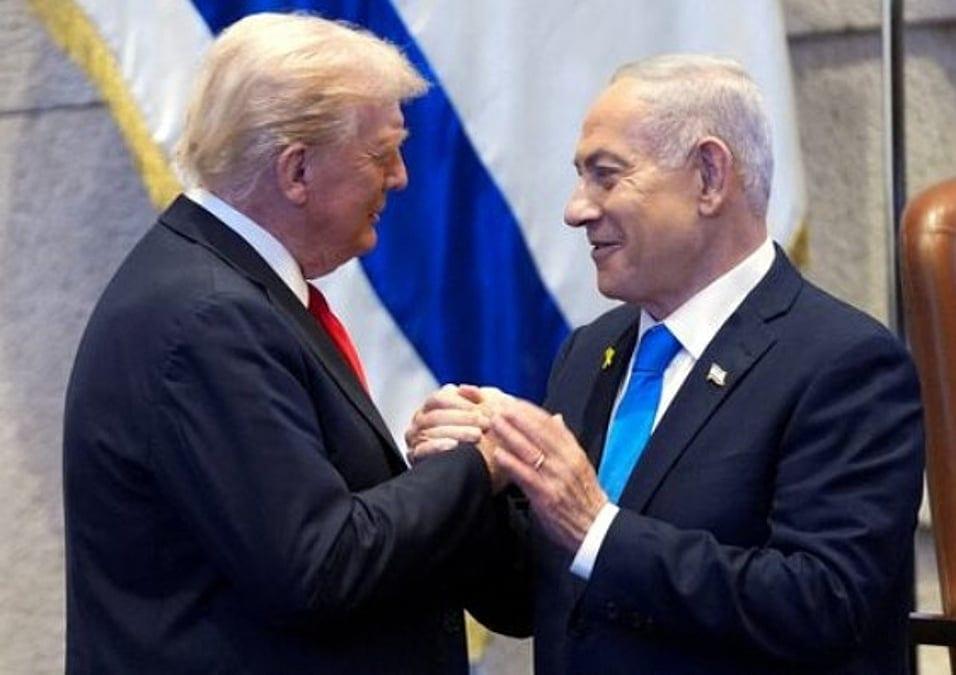
US President Donald Trump and Israeli Prime Minister Benjamin Netanyahu believed defeating Iran would reshape the Middle East. However, their strategies have backfired, leading to a prolonged crisis in the region. Iran has proven to be a resilient adversary, thwarting their plans and causing a lasting instability. The miscalculations of Trump and Netanyahu have resulted in a dangerous and enduring conflict in the Middle East.
Miscalculations and Resilience
Trump and Netanyahu underestimated Iran's resilience. Despite economic sanctions and military pressure, Iran's leadership has remained steadfast. The downing of a US Apache helicopter by Iran highlights their continued capability to resist. Iran's strategy focuses on survival and strengthening their defenses, particularly in the Strait of Hormuz, a critical global waterway.
Failed Strategies and Prolonged Conflict
Trump hoped for a swift victory in Iran, inspired by the ousting of Venezuela's president. However, Iran's deep-rooted governance and national security ideology have frustrated these plans. The conflict has also harmed US and Israeli allies in the Gulf, impacting their stability and economic prospects. The current Iranian leadership is even more risk-tolerant, committed to defending their nation at all costs.
Diverging Goals and Continued Hostilities
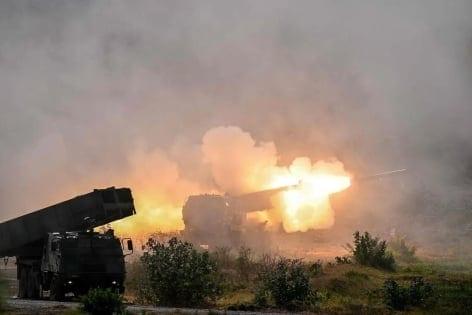
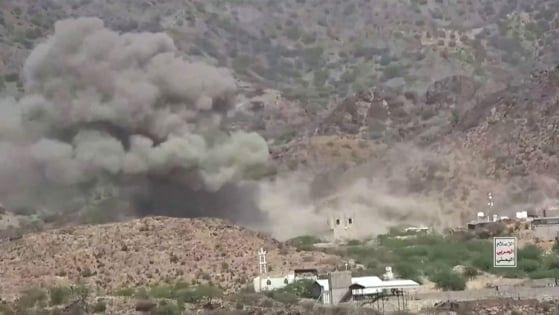
While Trump seeks a quick end to the conflict to protect his interests, Netanyahu wants to weaken Tehran's Islamic regime. Despite canceling a planned attack on Beirut, Israel continues its aggressive military actions in southern Lebanon. The closure of the Strait of Hormuz since March threatens global economic stability, with little hope for a swift resolution.