US President Donald Trump announced that the US and Iran could sign a peace deal by the end of the current week, which would reopen the Strait of Hormuz for shipping. However, Iran stated that it has not yet reached a final decision on any agreement. If confirmed, this deal would be the most significant diplomatic progress in ending the three-month conflict, which has resulted in thousands of deaths and a sharp rise in global fuel prices.
Iranian Foreign Ministry spokesperson Ismail Baghaei said that while significant portions of the draft agreement have been agreed upon, Iran will not compromise on conditions it deems unacceptable. Baghaei emphasized that Iran has not yet reached a final decision on the matter, which is currently under review by relevant decision-making bodies.
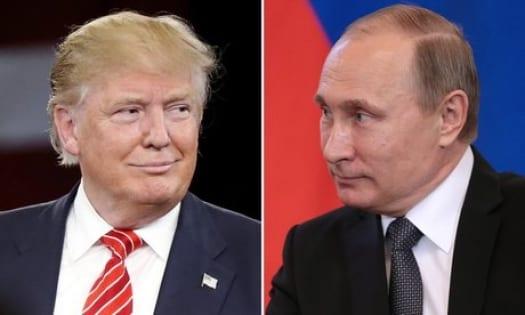
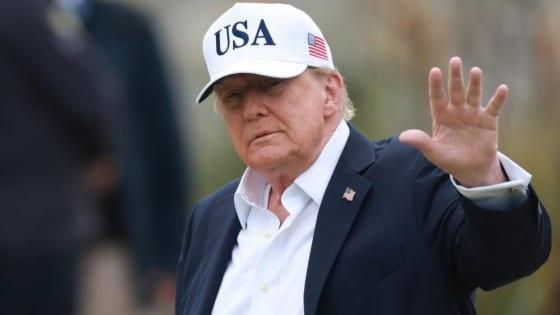
Trump told reporters at the White House, 'We have reached a major agreement with Iran.' He added, 'The strait will be officially reopened as soon as we sign the agreement. This could happen very soon—possibly by the end of this week in Europe.'
Trump mentioned that US Vice President JD Vance could sign the agreement on behalf of the US. When asked if Iranian Supreme Leader Ayatollah Mostafa Khamenei had approved the deal, Trump responded, 'As far as I understand, the answer is yes.'
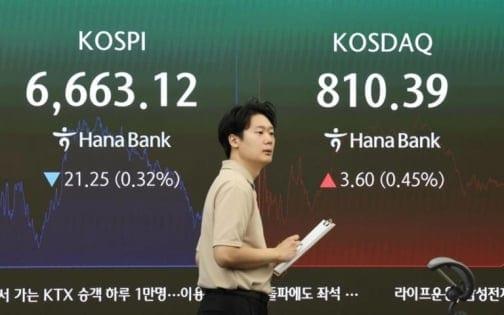
Trump's announcement followed the cancellation of a planned military strike on Iran due to progress in negotiations. His statement led to an upturn in the US stock market and a decrease in oil prices. Trump has repeatedly claimed since mid-March that a deal to end the war with Iran is nearly finalized. However, both sides have continued to attack each other this week, putting the April-announced ceasefire at risk.
Trump emphasized that any peace deal must ensure Iran cannot develop nuclear weapons, a claim Iran denies. Iran's demands include the lifting of international sanctions, the release of billions of dollars in frozen assets, and recognition of its control over the Strait of Hormuz.
In a video conference campaign speech, Trump stated, 'The most important thing is that Iran will not have any nuclear weapons. This means they cannot build or buy them.' Since the US and Israel launched aggression against Iran on February 28, thousands have been killed, mostly in Iran and Lebanon, and global fuel prices have risen significantly.
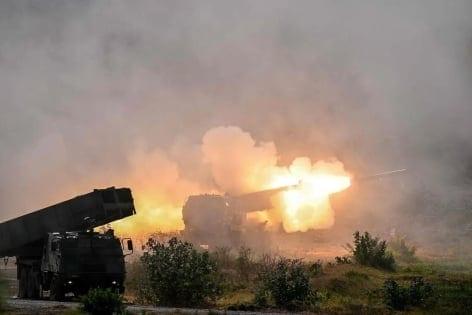
Despite a large-scale ceasefire that took effect in early April, recent clashes have intensified. After a US Apache helicopter crash, Trump ordered new attacks around the Strait of Hormuz for two days. Simultaneously, Iran launched missile and drone attacks on US bases in the region.
Bahrain's Interior Ministry reported that debris from destroyed Iranian drones slightly injured an 11-year-old girl and damaged several homes. Earlier, Trump had announced a'very tough attack on Iran tonight' and expressed his desire to capture Iran's critical oil infrastructure hub, Kharg Island, which handles about 90% of Iran's oil exports.
Iranian state media reported that the country's forces turned back a tanker attempting to pass through the Strait of Hormuz without coordination. Approximately one-fifth of the world's total fuel supply is typically transported through this narrow waterway, which has been effectively closed since the start of the conflict.
This conflict has become a political pressure point for the White House. Public opinion polls show that Trump's popularity is declining due to voter anger over high fuel prices. Some Republican leaders have publicly expressed concern, fearing that public dissatisfaction with the war could impact the upcoming midterm elections in November.
Trump is also balancing the need to satisfy hardline anti-Iran leaders within his party. The reactions of other Middle Eastern countries will be crucial in this situation. Trump claimed on social media that several countries, including Israel, Saudi Arabia, Qatar, and the United Arab Emirates, have approved the deal.
However, Israeli Prime Minister Benjamin Netanyahu's office issued a statement rejecting the agreement with Iran. The statement, released after Netanyahu's conversation with Trump, expressed gratitude for Trump's commitment to a deal that includes the removal of enriched uranium, dismantling uranium enrichment infrastructure, limiting missile production, and halting support for regional militant groups.
Meanwhile, Tehran demands an end to Israeli attacks in Lebanon, where a separate conflict involving Iran-backed Hezbollah fighters and Israel is ongoing.