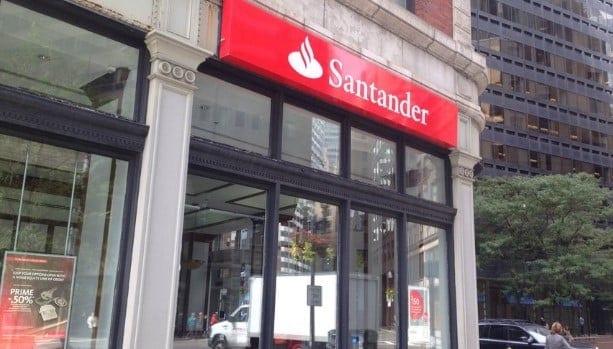
The US Federal Reserve has approved Spanish banking giant Santander's acquisition of Connecticut-based Webster Bank for $12.2 billion. This deal marks a significant step in Santander's strategy to strengthen its presence in the United States, where it currently operates in nine states with over $81 billion in consolidated deposits.
Strategic Expansion in the US Market
The acquisition of Webster Bank, which has a substantial footprint in the US northeast with approximately $69 billion in consolidated deposits, is part of Santander's broader strategy to expand in the lucrative US market. Post-acquisition, Santander's US holding company, SHUSA, will become the 19th largest insured depository organization in the United States, with consolidated assets of around $253.6 billion.
Financial Implications and Market Position
Santander anticipates that the acquisition will enhance its competitive edge in the US market, making it one of the top-10 retail and commercial banks by assets. The Spanish banking giant reported record first-quarter profit in April, driven by customer growth and robust commercial activity, despite global economic challenges.
Impact on Customers and the Banking Sector
Santander believes that the acquisition will create a stronger and more competitive banking entity for customers. This move is expected to benefit consumers by potentially offering more competitive products and services, while also bolstering the overall stability and competitiveness of the US banking sector.