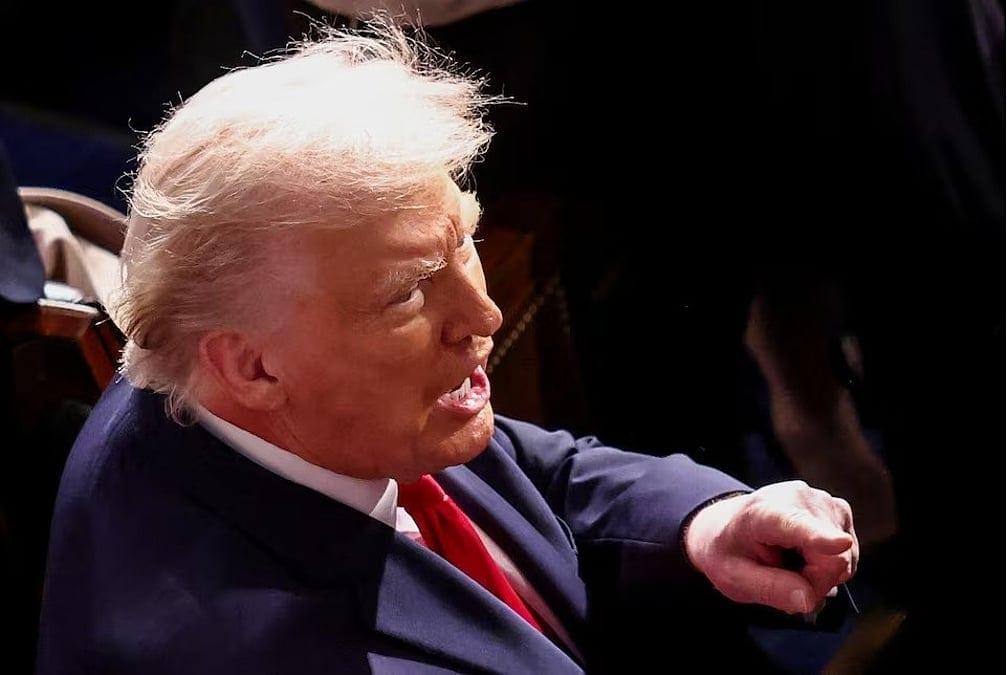
Donald Trump is encountering growing resistance from within his own Republican Party. Congressional Republicans, who were previously hesitant to oppose the U.S. President, are now challenging his decisions. This resistance is evident in their opposition to his policies, such as the $1 billion funding for the White House ballroom, his $1.8 billion 'anti-weaponization' fund, and his domestic spying legislation. Additionally, Republican members of the House of Representatives have passed a bill against Trump's wishes to provide aid to Ukraine and impose new sanctions on Russia, which the President is likely to veto.
The opposition from Republicans is partly due to Trump's interference in Senate elections and his controversial decisions, such as opposing the re-election of Republican Senators Bill Cassidy and John Cornyn. These actions have led to frustration and dissatisfaction among party members. The situation escalated when Trump announced his opposition to Cornyn's re-election and his 'anti-weaponization' fund, forcing Senate Republicans to abandon plans to advance a $7 billion immigration enforcement funding bill.
Despite the growing opposition, some Republicans continue to support Trump's initiatives. For instance, Republican Senator Jim Banks defended Trump's agenda during a vote, stating it aimed to secure the border and fund ICE. However, Trump's next major challenge may be nominating his former lawyer, Todd Blanch, as the permanent U.S. Attorney General, which could face significant opposition in the Senate.