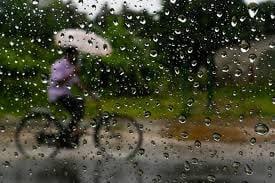
Taiwan's weather forecaster has warned of 'destructive' winds as Typhoon Bavi, the largest typhoon in years, approaches the island. The typhoon, which has already impacted US Pacific territories, is expected to batter Taiwan's north on Friday and Saturday before moving towards China.
Severe Weather Expected
Typhoon Bavi is generating waves several meters high and is forecast to cause significant damage in Taiwan, particularly in the port city of Keelung and the coastal county of Yilan. Central Weather Administration (CWA) forecaster Jason Cheng described the winds as'relatively destructive' and likely to cause damage.
Impact on Northern Taiwan
The greatest impact is expected in northern areas, including Yilan and Keelung. Cheng noted that even areas away from the typhoon's center could be affected and should remain vigilant. Most ferry routes to outer islands have been suspended, and the coast guard has warned people to stay away from the coast.
Preparations and Concerns
Fishing boat owners and captains have expressed concern about the approaching typhoon. Tung Wan-tsai, a fishing boat owner in Keelung, said he was 'a bit worried' about the storm's massive radius of gale-force winds. Captain Chang Ting-hsin returned to port earlier than planned due to the danger posed by the typhoon.
Regional Impact
On Japan's remote southwestern islands, schools and supermarkets will close on Friday. Pineapple farmers harvested their fruit early, and fishermen secured their boats ahead of the storm. Dozens of flights have been cancelled. After Taiwan, Bavi is expected to make landfall in eastern China, where extreme weather has already caused significant damage this week.
Climate Context
The approach of Typhoon Bavi comes amid a backdrop of extreme weather events globally. The European Union's Copernicus Marine Service reported that oceans experienced their hottest June on record, which could contribute to the intensification of tropical storms. Additionally, the return of El Nino, a natural climate phenomenon that warms Pacific surface temperatures, may further exacerbate storm conditions.