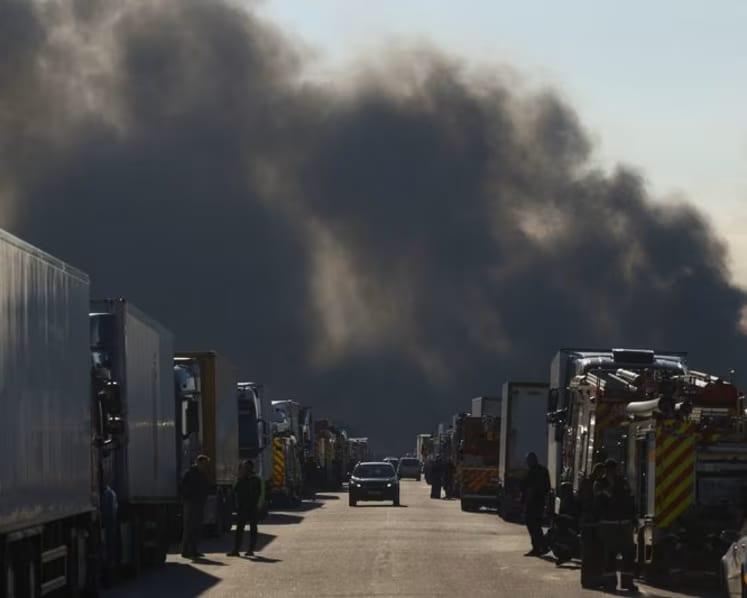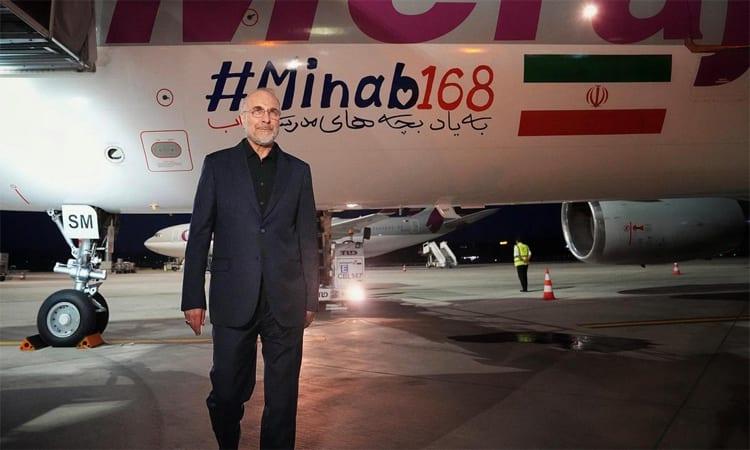
Iran's chief negotiator, Mohammad Bagher Ghalibaf, announced that the Strait of Hormuz would only be accessible under 'Iranian arrangements'. This declaration follows recent military exchanges between Tehran and Washington in the Middle East. Ghalibaf emphasized on X that the United States must understand the consequences of its actions, stating, 'If you strike, you will be struck.'
Heightened Tensions in the Middle East
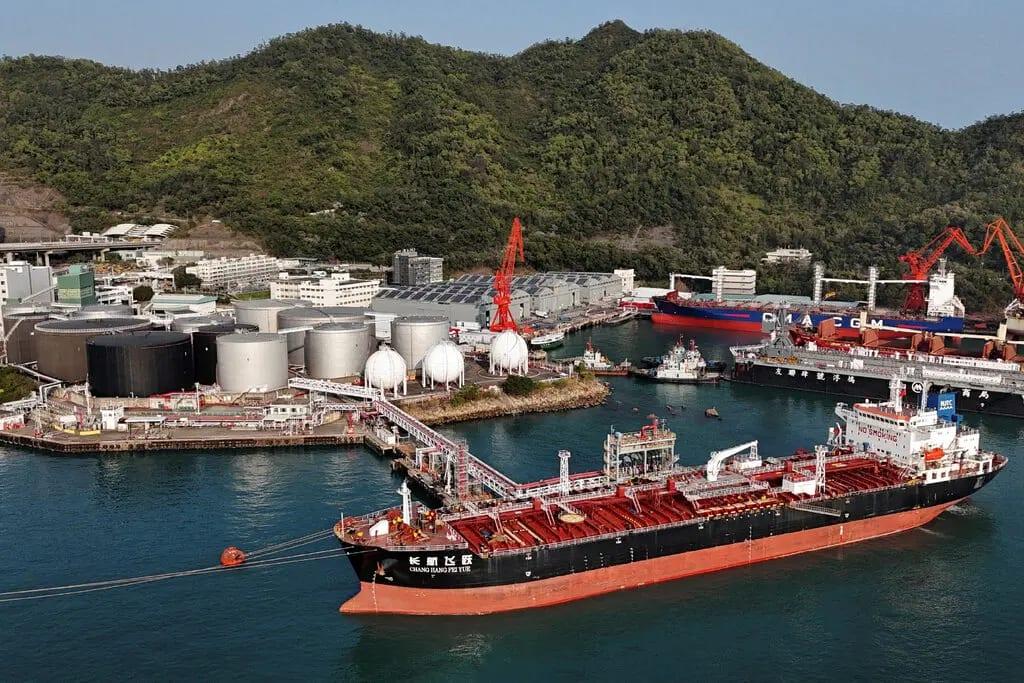
The Strait of Hormuz, a critical waterway for global oil shipments, has become a focal point of tension between Iran and the United States. Recent military actions have escalated the situation, prompting Ghalibaf's stern warning. The strait's strategic importance cannot be understated, as it serves as a vital passage for a significant portion of the world's oil supply.
Iran's Stance on Regional Security
Ghalibaf's statement underscores Iran's determination to control the terms under which the Strait of Hormuz is navigated. This move is seen as a response to perceived U.S. aggression and a reaffirmation of Iran's regional influence. The declaration aims to deter further U.S. military actions by highlighting the potential for retaliatory strikes.
Global Implications and Bangladesh's Interest
The situation in the Strait of Hormuz has significant global implications, particularly for oil-importing countries like Bangladesh. Any disruption in the strait could lead to increased oil prices, affecting the economy and energy security. Bangladesh, which relies heavily on oil imports, must monitor the situation closely to mitigate potential impacts on its energy supply and costs.
What Happens Next?
The next steps will likely involve heightened diplomatic efforts to de-escalate the situation. Both Iran and the United States may engage in negotiations to avoid further military confrontations. The international community, including Bangladesh, will be watching closely as the developments unfold, given the strait's crucial role in global trade and energy security.