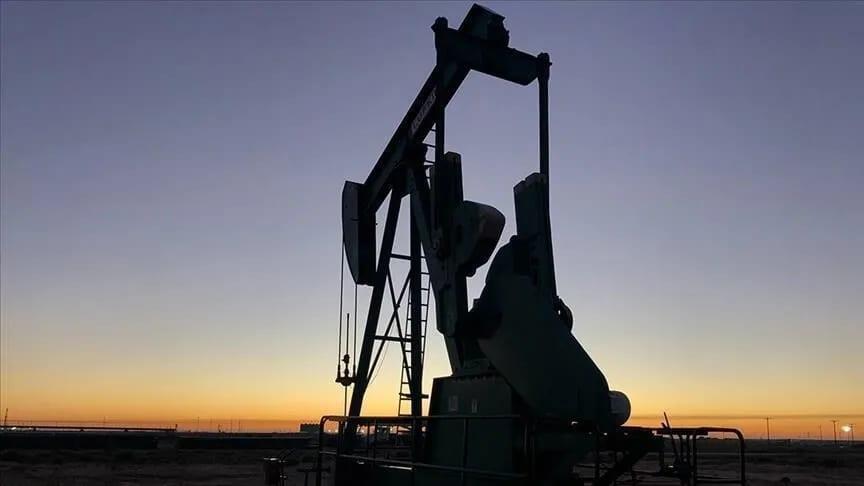
Oil prices continued their upward trajectory on Thursday as tensions between the United States and Iran escalated. The surge follows US President Donald Trump's announcement that the ceasefire with Iran is over, leading to fresh strikes against the country. This development comes after attacks on ships in the Strait of Hormuz, a critical chokepoint for global oil shipments.
Market Reactions
Despite the rising oil prices, equity markets showed mixed reactions. Tech firms saw some bargain-buying, with significant gains in Seoul and Tokyo. However, the Dow and FTSE 100 closed lower, reflecting broader market uncertainties.
Geopolitical Impact
The renewed hostilities have raised concerns about a potential spike in inflation and economic instability. Brent crude topped $80 a barrel, marking a two-week high. President Trump warned of 'much worse' consequences if Iran continues its attacks on vessels in the strait, which carries about a fifth of the world's oil.
Economic Implications
The situation underscores the fragile nature of the truce and the potential for further escalation. Analysts suggest that while both sides may seek a return to a pre-war 'normality,' the risk of a total breakdown in negotiations has increased. This volatility in oil prices could have significant implications for global economies, including Bangladesh, which relies heavily on imported oil.
Tech Sector Performance
Meanwhile, the tech sector showed resilience with Seoul and Tokyo leading gains. Attention is also on South Korean chip giant SK hynix, which saw strong demand for its US listing. The firm's shares were up nearly seven percent, although they have lost over 30 percent from their record high last month.
Currency Movements
In currency markets, the dollar weakened slightly against the yen, while the euro strengthened against the pound. These movements reflect the broader uncertainties in global markets driven by geopolitical tensions.