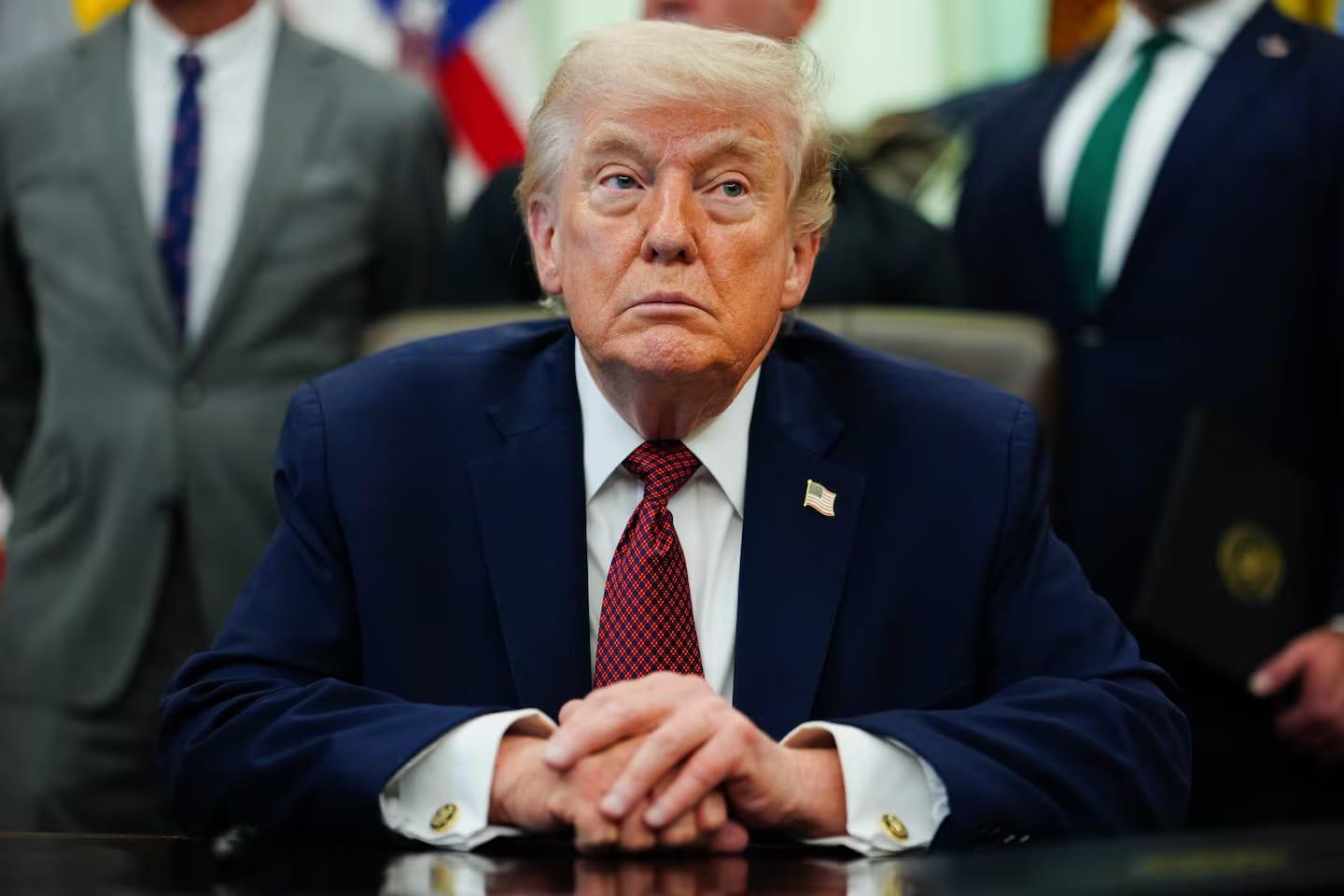
President Donald Trump has warned that US bombing of Iran will significantly increase if Tehran continues to attack ships in the Strait of Hormuz. Speaking aboard Air Force One, Trump reinforced his message that the US will respond with increased force to any further attacks by Iran. 'This is in retribution for yesterday's bombing of ships by Iran. If it happens again, it will get much worse!' Trump posted on social media. He further elaborated, 'We just hit them very hard, and I say we hit them 20 to one. Every time they hit us, we're going to hit them 20.'
Context of the Threat
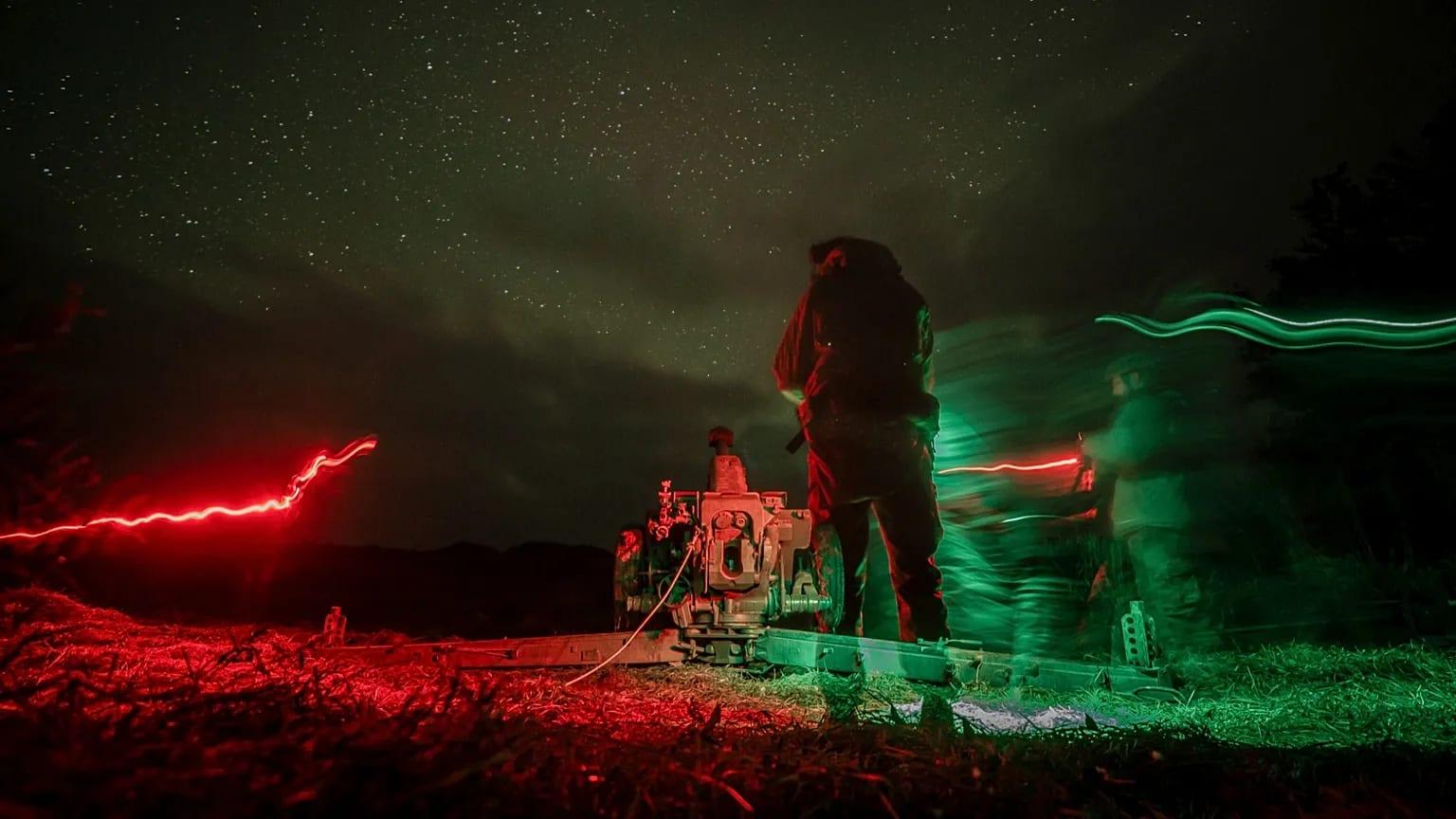
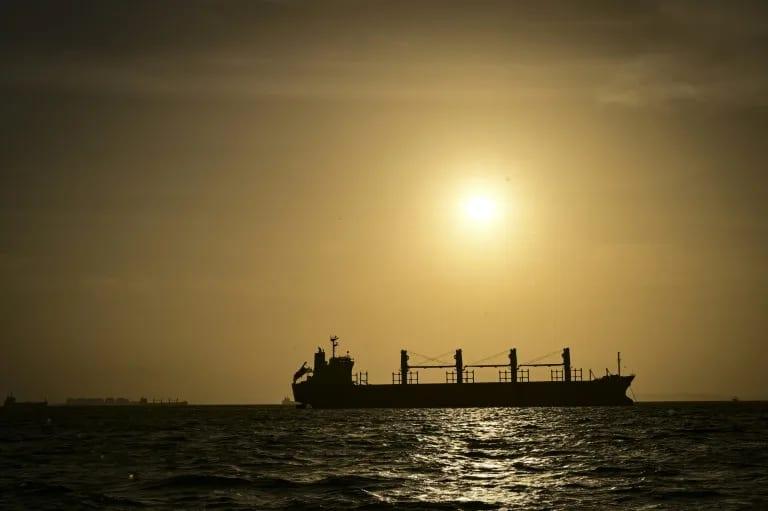
The threat comes amid heightened tensions in the Strait of Hormuz, a critical waterway for global oil shipments. Iran has been accused of attacking several ships in the region, prompting a strong response from the United States. Trump's comments indicate a willingness to escalate military actions if Iran does not cease its attacks. The US has already conducted retaliatory strikes against Iranian targets, as evidenced by Trump's social media post showing an apparent bombing site in Iran.
Implications for Global Security
The escalation of US-Iran tensions has significant implications for global security. The Strait of Hormuz is a vital passage for oil tankers, and any disruption can lead to increased oil prices and economic instability. The international community is closely watching the situation, with many nations calling for de-escalation and diplomatic solutions. The threat of increased bombing by the US adds to the urgency for a peaceful resolution.
Bangladesh's Perspective
For Bangladesh, the situation in the Strait of Hormuz is of particular concern due to its reliance on imported oil. Any significant disruption in oil supply could lead to increased fuel prices and economic challenges for the country. Additionally, Bangladesh maintains diplomatic relations with both the United States and Iran, and the government is likely to advocate for a peaceful resolution to the conflict. The escalating tensions also highlight the importance of maintaining a balanced foreign policy in a volatile global environment.
What Happens Next
The immediate future will likely see continued military posturing and diplomatic efforts to de-escalate the situation. The international community, including the United Nations, may play a crucial role in mediating between the US and Iran. For Bangladesh and other nations, the focus will be on ensuring the stability of oil supplies and advocating for peace. The next steps will depend on Iran's response to the US threats and the effectiveness of diplomatic interventions.