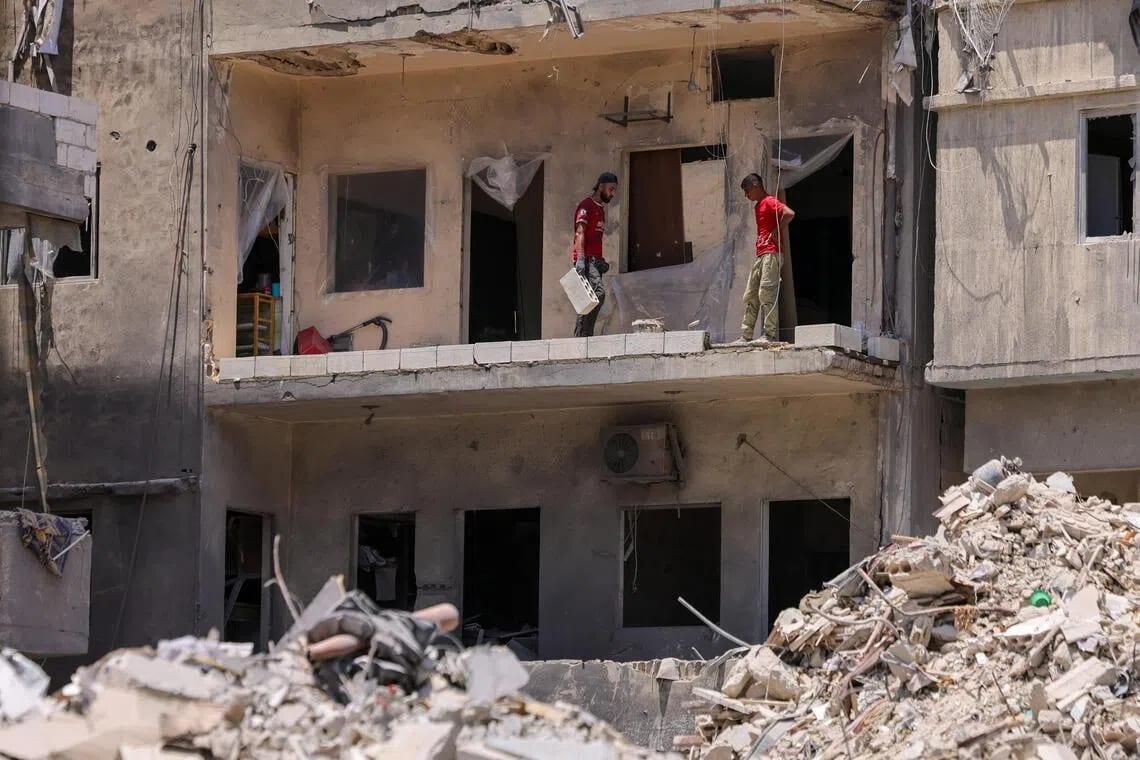
Amnesty International has accused Israel of committing war crimes in its attacks on Lebanon during the conflict with Hezbollah and has called for these attacks to be investigated. The London-based rights group claims that Israel 'wiped out families' in strikes on civilian homes, resulting in the deaths of 24 civilians, including 12 children.
Detailed Analysis and Allegations
Amnesty analyzed three specific strikes on civilian homes between March 6 and 13. The group asserts that Israeli forces violated international humanitarian law by failing to distinguish between civilians and military objectives, carrying out attacks directed against civilians or civilian objects, and not taking all feasible precautions to minimize harm to civilians.
The findings are based on interviews with 15 people, including survivors, relatives, paramedics, journalists, and local officials. Amnesty reached out to Israeli authorities, who stated that some attacks were carried out against Hezbollah military objectives, while others were referred for examination. However, the Israeli military did not provide specific information regarding the three attacks.
Call for Action and International Response
Kristine Beckerle, Amnesty's deputy regional director for the Middle East and North Africa, emphasized the need for states to impose an immediate comprehensive arms embargo on Israel and use universal and extraterritorial jurisdiction to investigate and prosecute those responsible.
Despite a US-backed framework agreement between Lebanon and Israel aiming for a permanent end to hostilities, and a memorandum of understanding between Iran and the United States to end the broader Middle East conflict, Israel continues to carry out intermittent strikes on southern Lebanon.
Significance for Bangladesh
The situation in Lebanon has significant implications for Bangladesh, particularly in the context of international law and human rights. As a member of the United Nations and a proponent of peace, Bangladesh has a vested interest in the enforcement of international humanitarian law and the protection of civilian populations in conflict zones.